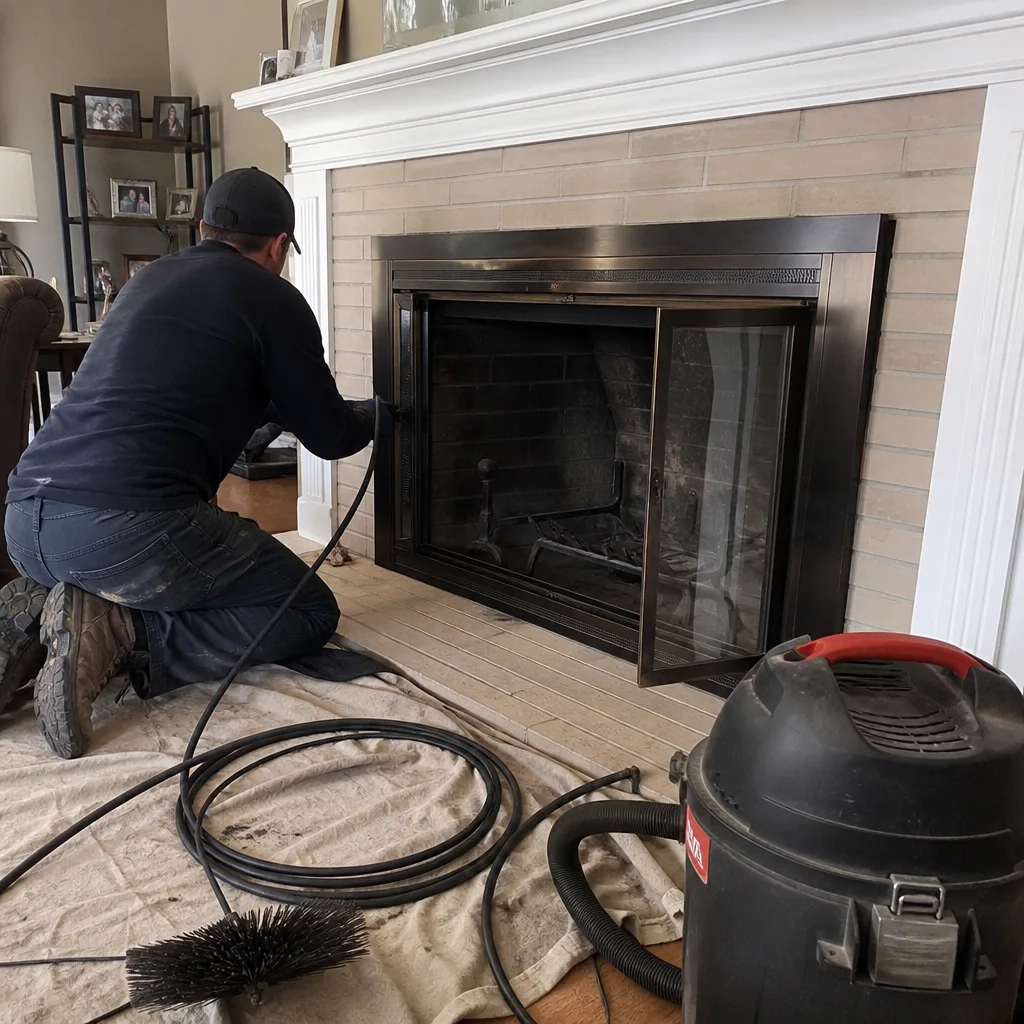
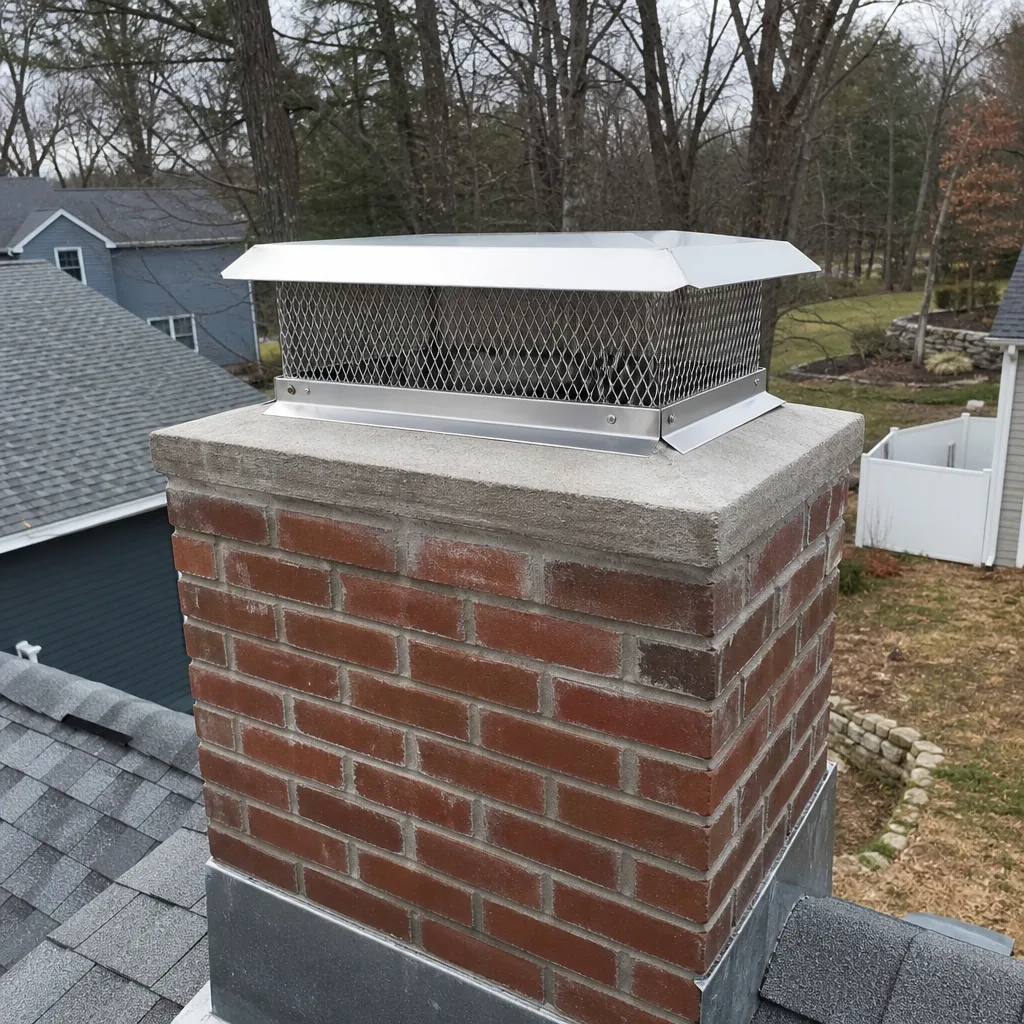
Level 1 sweep and inspection to the NFPA 211 annual standard - flue, crown, cap, and flashing checked and photographed
Chimney sweep logs do not sweep chimneys. They loosen some creosote - which then falls where a brush and vacuum still have to collect it.
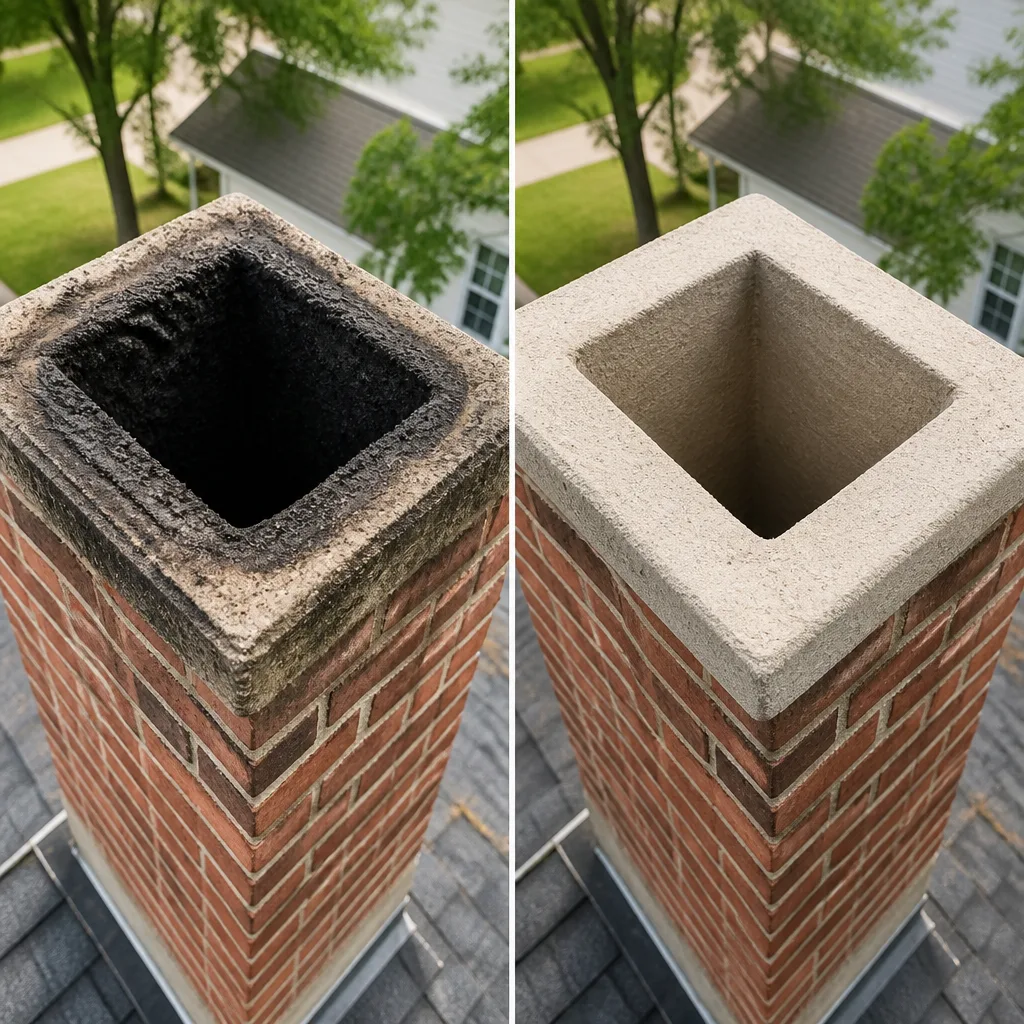
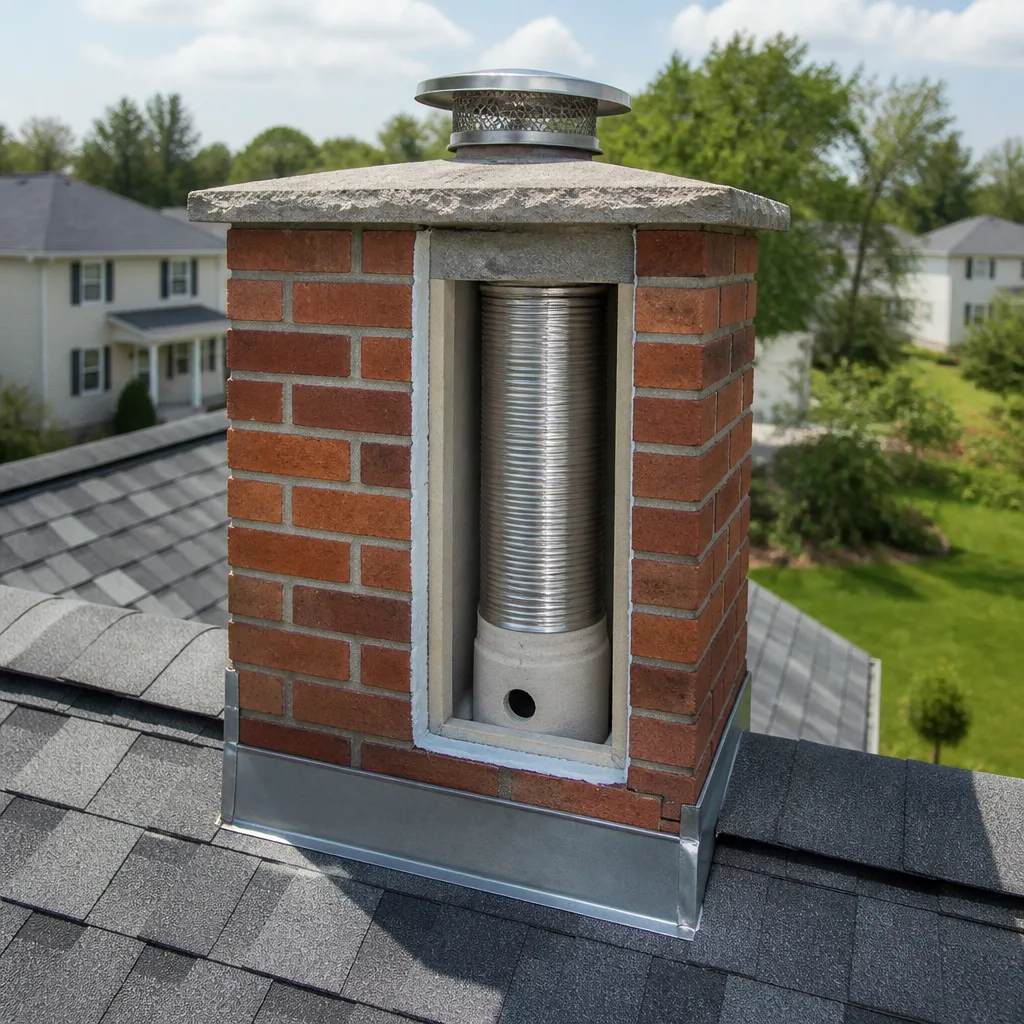
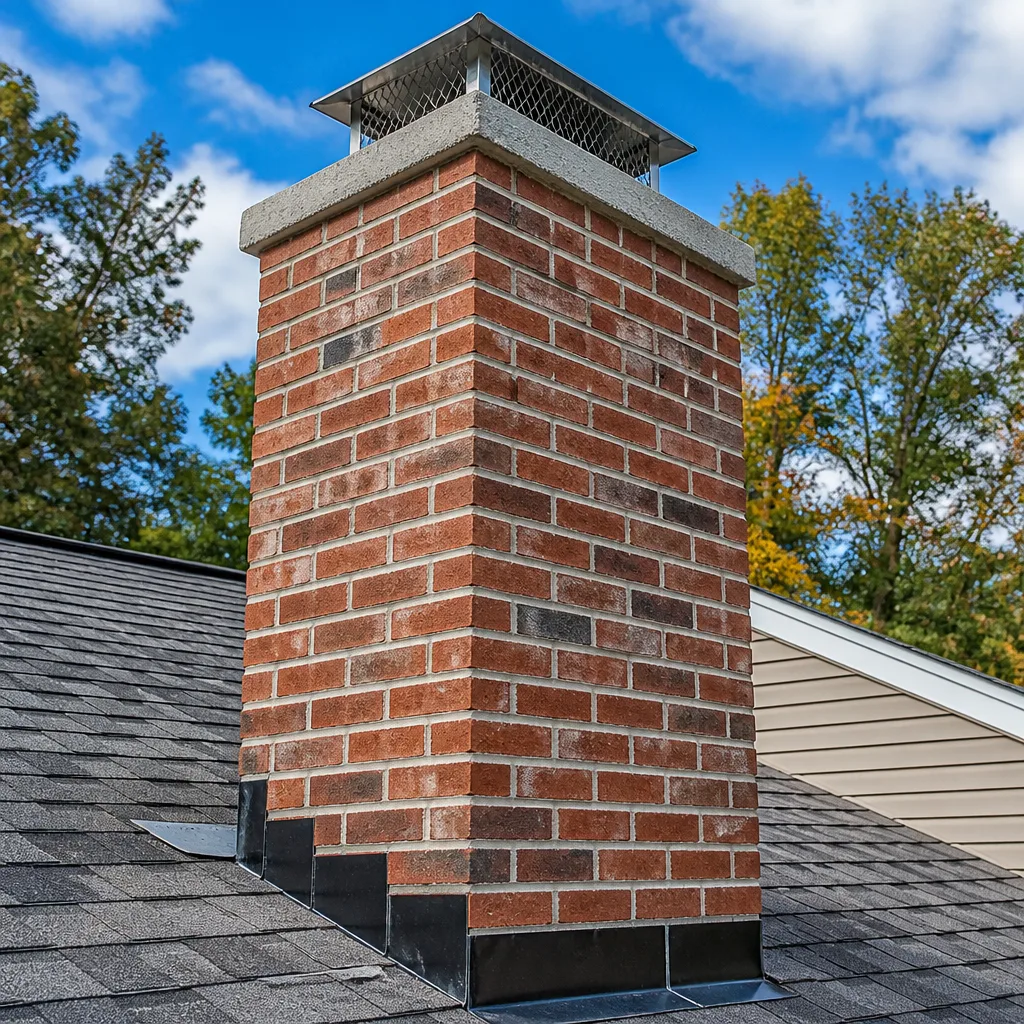
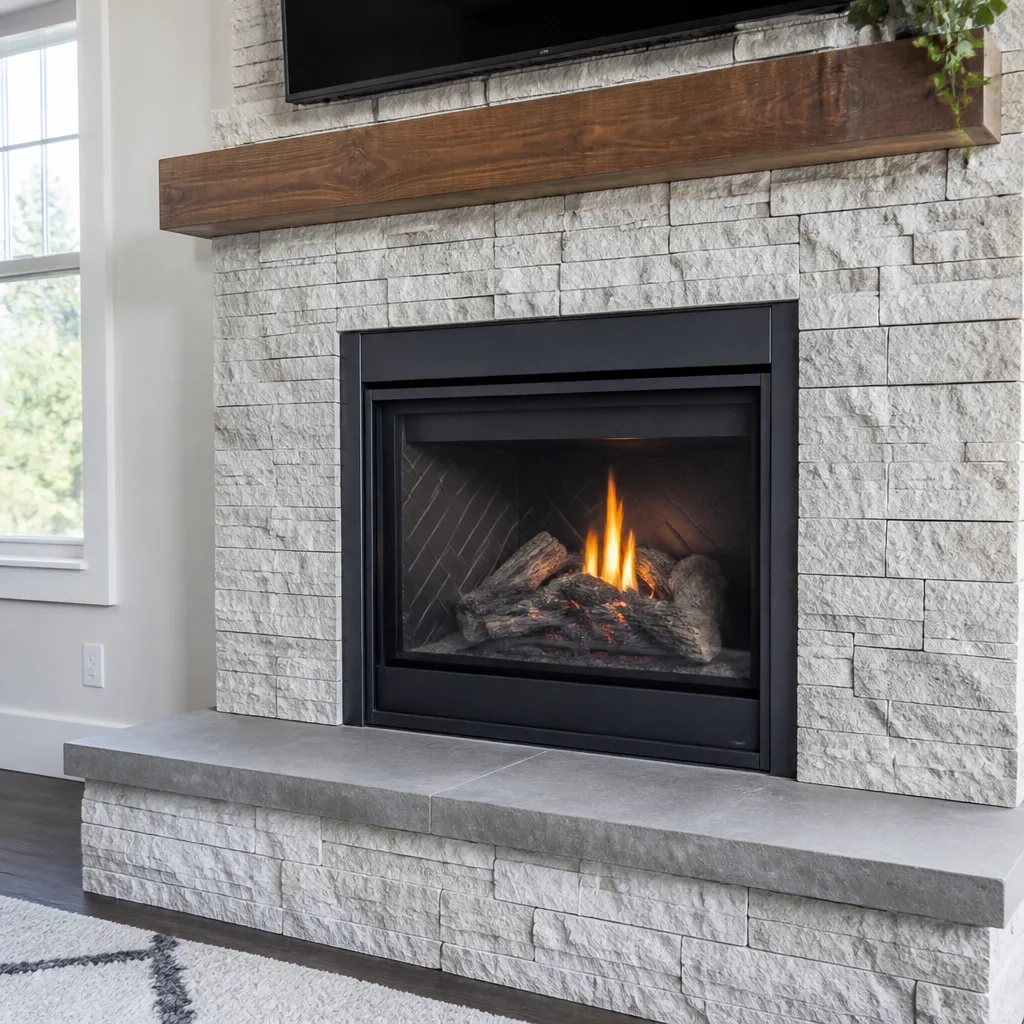
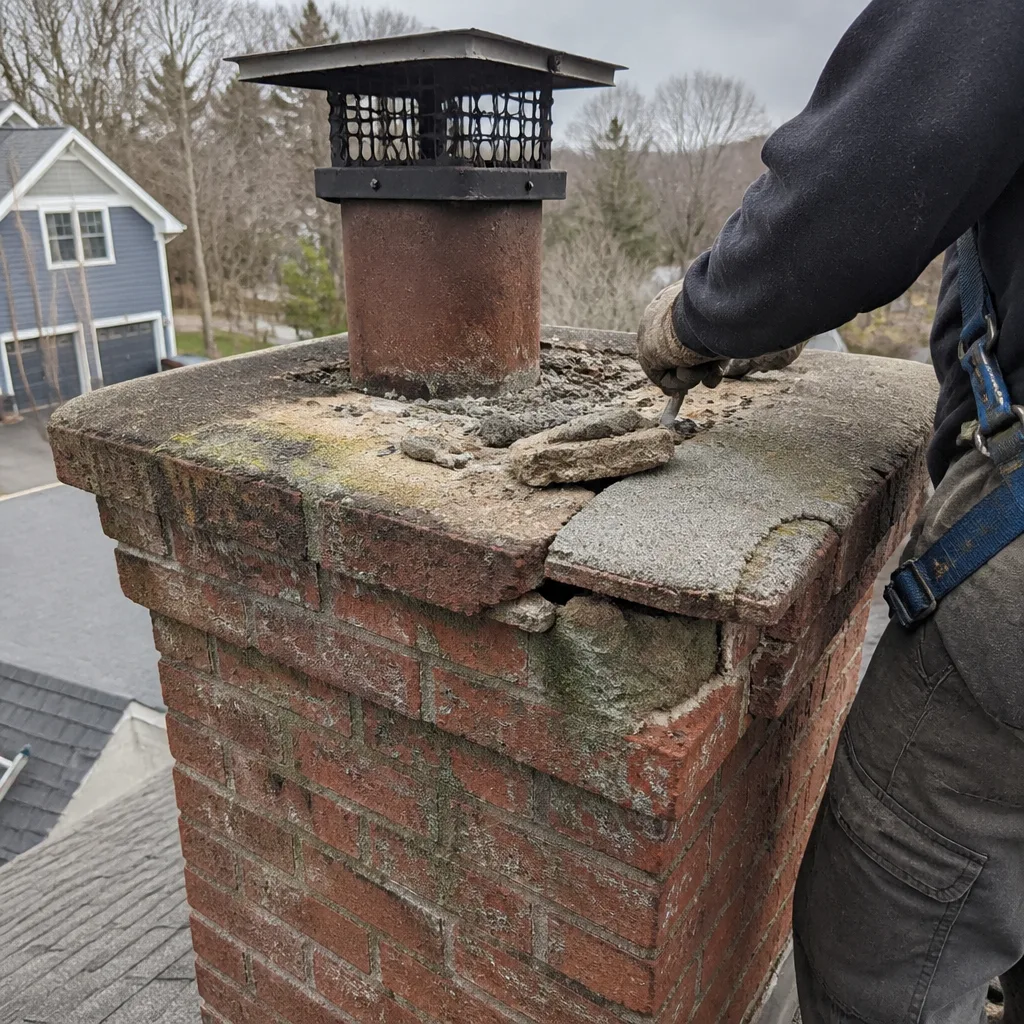 Before
 After
After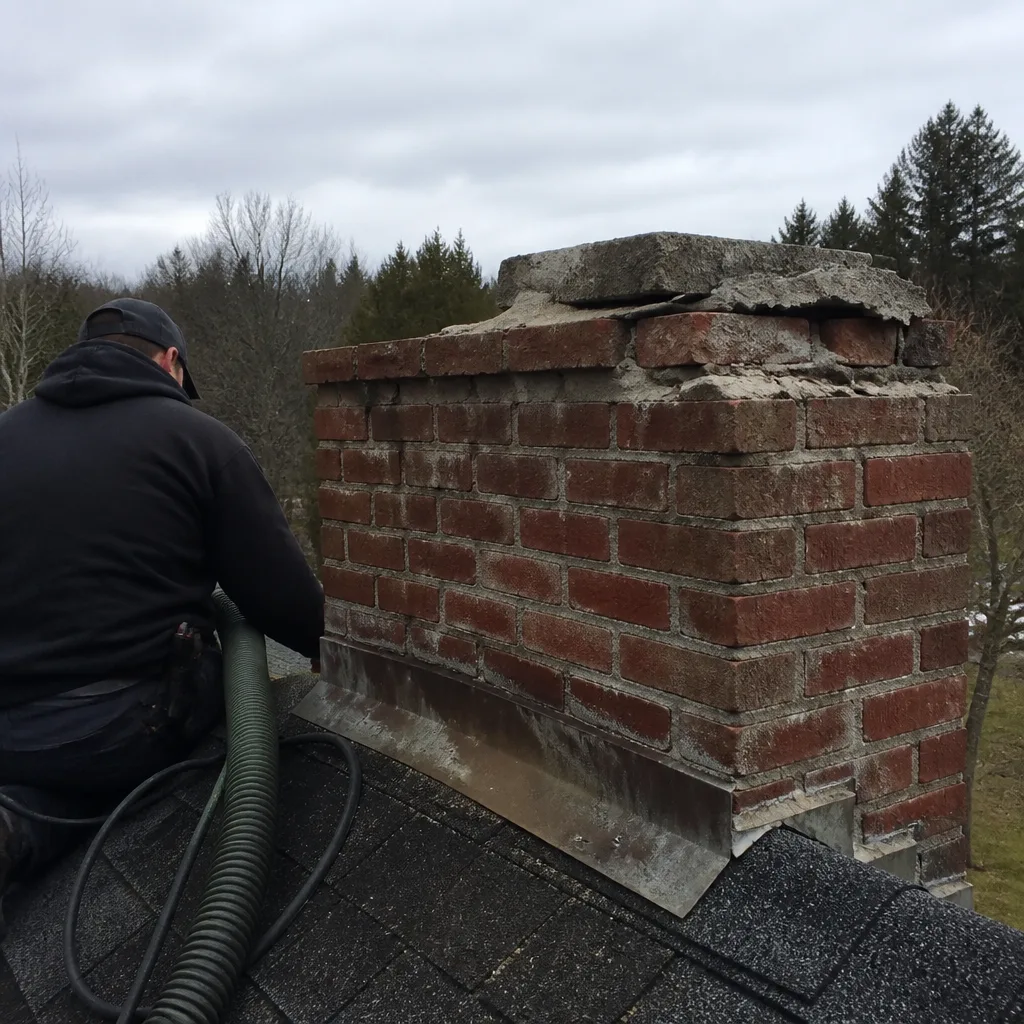 Before
 After
After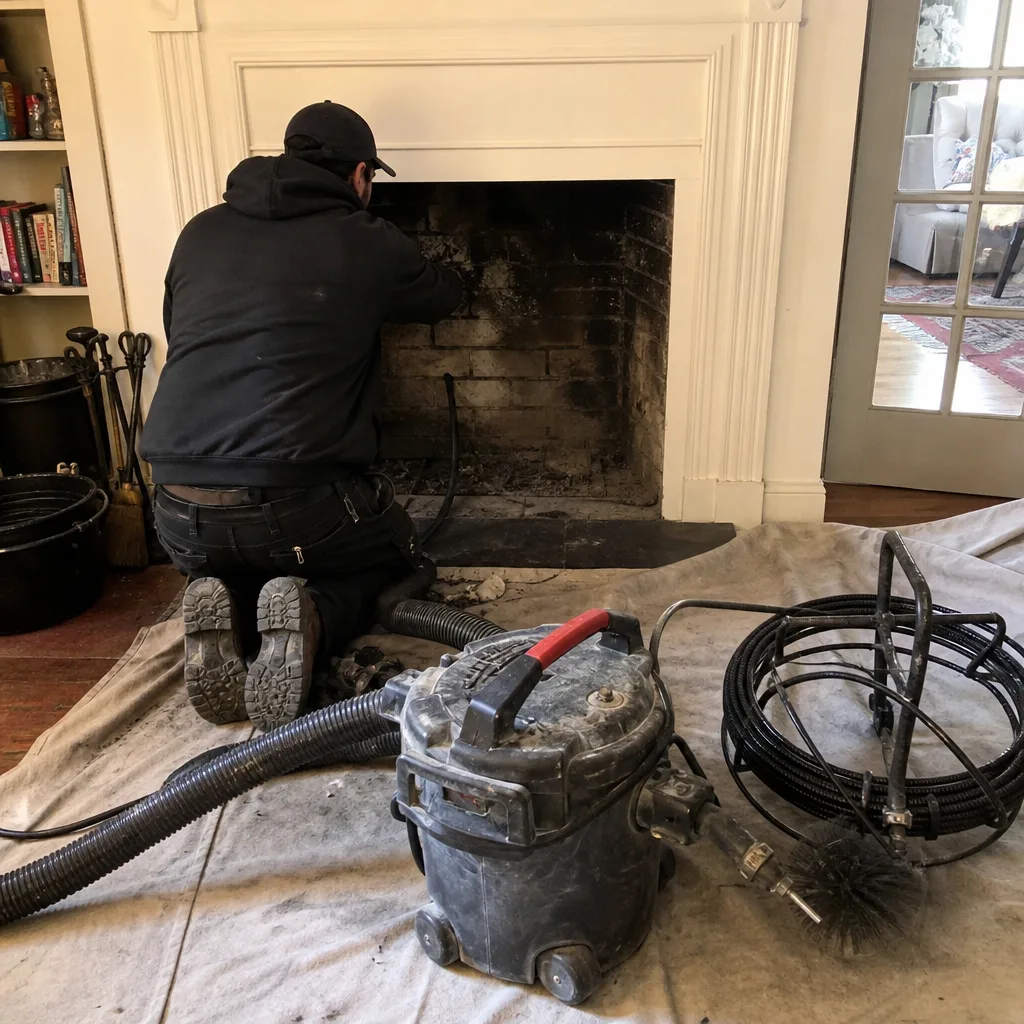 Before
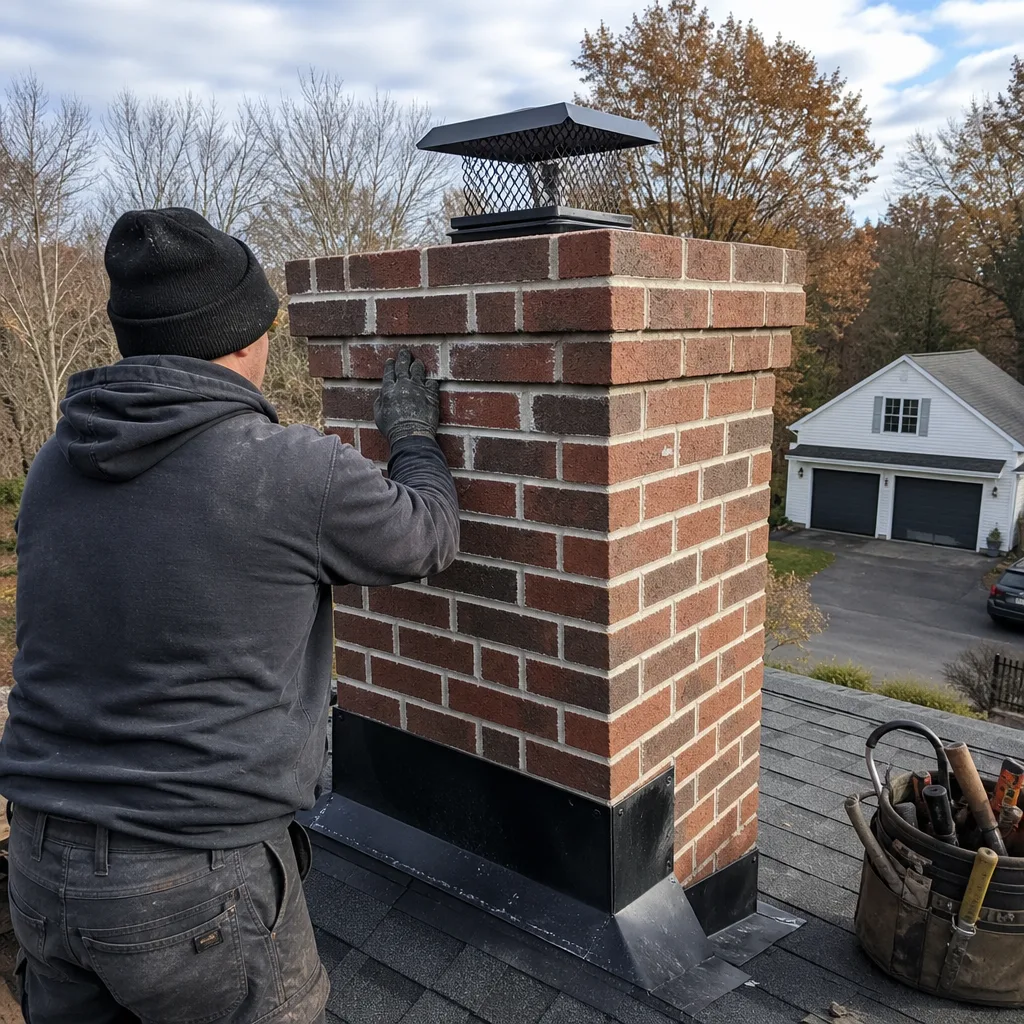 After
AfterFast, Reliable Chimney Repair Across Reading
Chimney repair in Reading, MA typically costs between $350 for minor mortar repointing and $4,500-$8,500 for partial rebuilding of a deteriorated multi-flue stack. Most Reading homeowners with 1920s-1960s colonials or Cape Cods need mortar work, crown sealing, or abandoned flue capping rather than full rebuilds. Our crews are dispatched from our Boston office and carry Gelco liners, HeatShield refractory mortar, and Olympia Chimney flashing stock specifically for Reading’s dense pre-war housing stock. Call (978) 861-1012 for a written estimate before any work begins.
We’ve worked on Reading chimneys since 2009 - more than 38,000 inspections and cleanings across our service area, with a documented photo record on every visit under Haven Standard Clause 4. Reading’s tight streetcar-suburb blocks, mature tree canopy, and accelerated oil-to-gas conversion history create repair conditions you won’t find in newer towns. Our Chimney Repair team knows the difference between a Wilmington split-level built in 1985 and a Reading colonial built in 1927 with two flues sharing one brick stack.
Why Level Two Chimney Wakefield Is Reading’s Preferred Chimney Repair Company
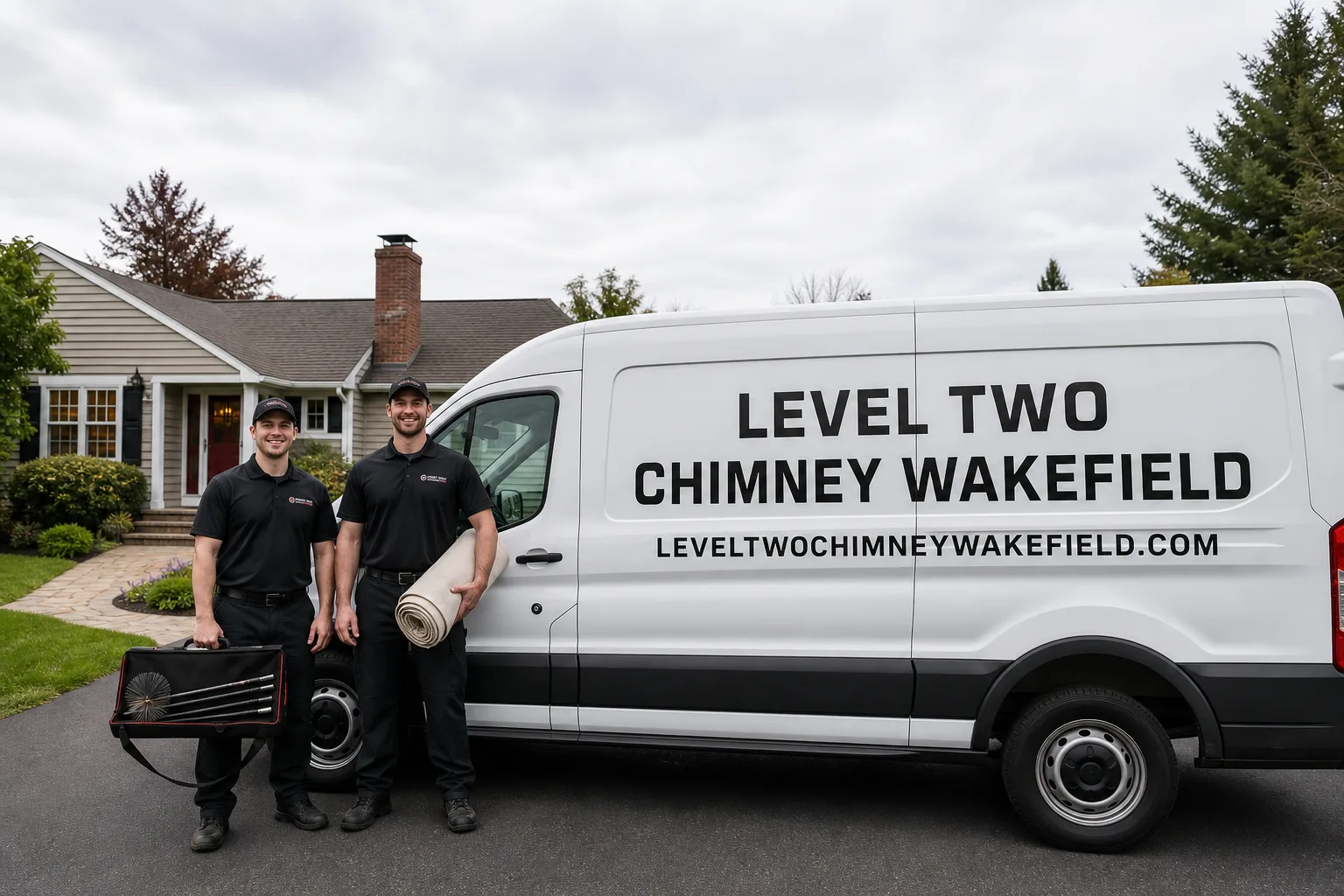
Reading homeowners don’t hire us because we say we’re careful. They hire us because we show them what we found - camera footage, written scope, written price - before anyone touches a trowel. Our 365-Day Done Right Promise means if the repointed mortar cracks or the crown seal fails, we make it right. No voicemail trees, no “call for a quote.” A live person answers the phone 24 hours a day, and a background-checked, uniformed technician with a license number on the page arrives with a text when they’re on the way.
We’ve earned a strong local reputation in Reading specifically for diagnosing the problems other sweeps miss: abandoned oil flues left open after National Grid conversions, moisture migration through shared brick in attached properties, and Class III creosote glaze that standard brushes won’t remove. Our documented photo record, included on every job under Haven Standard Clause 4, gives Reading homeowners dated evidence for insurance claims and future resale inspections. Free Second Opinion on any competitor’s written estimate - bring us their scope and we’ll tell you exactly what we agree with and what we’d do differently.
Our Chimney Repair Services in Reading
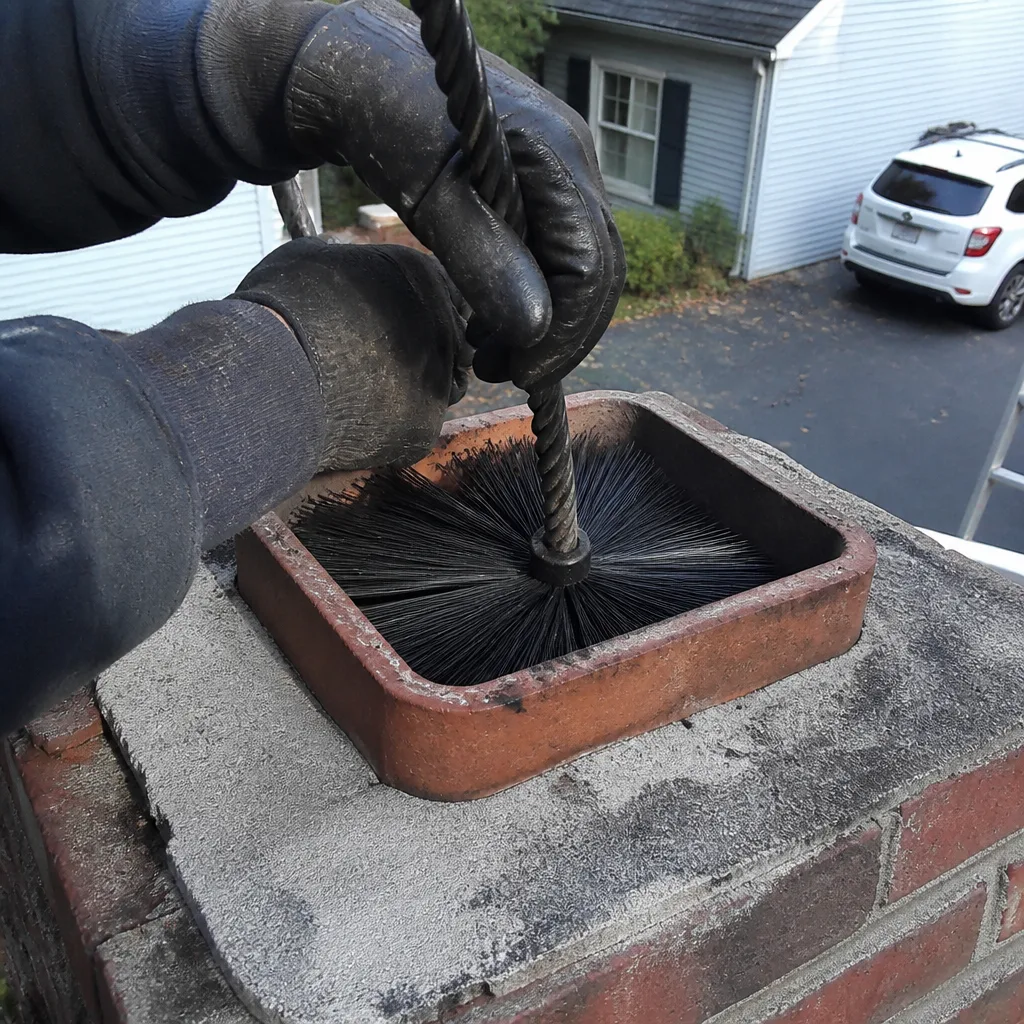
Mortar Repointing
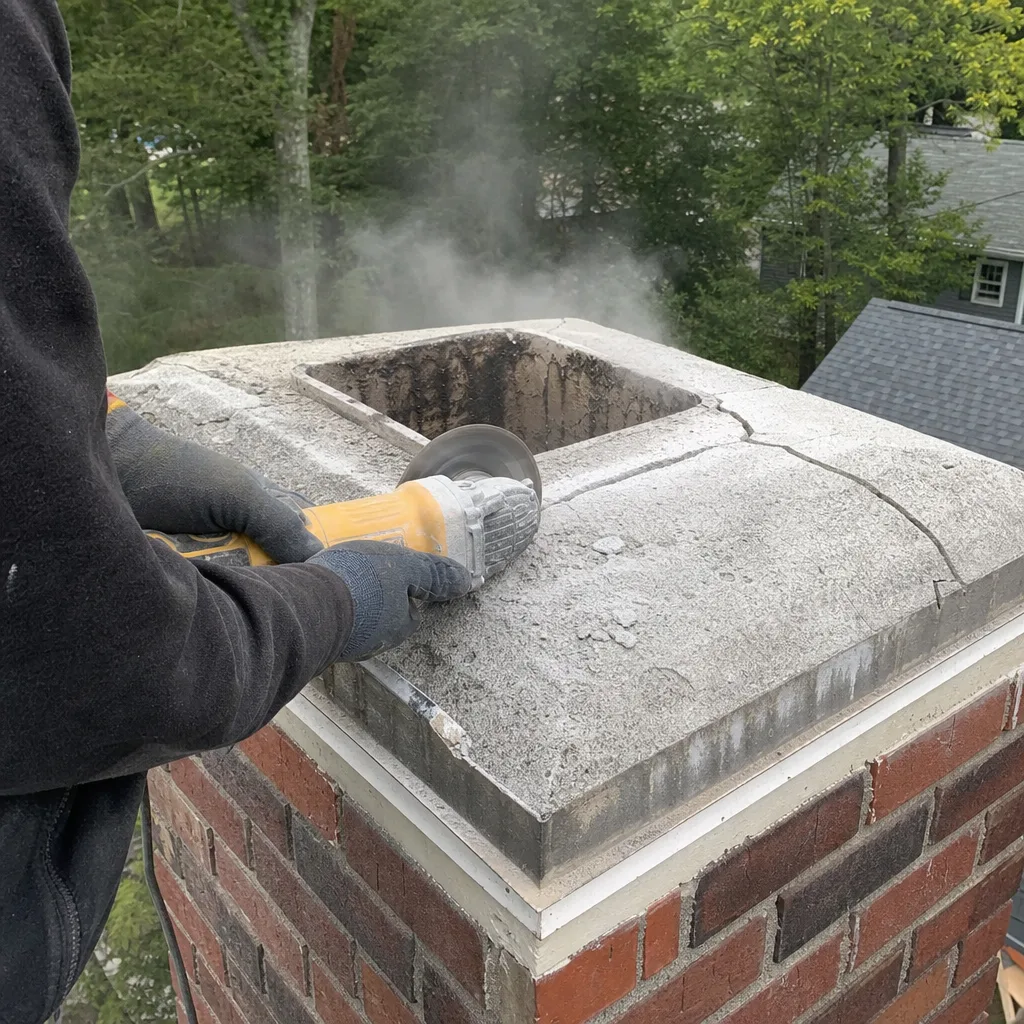
Reading’s pre-WWII and early postwar brick chimneys were built with lime-based mortar that erodes faster than modern Portland cement mixes. On a shaded Hancock Street block or beneath the dense canopy along Main Street, that erosion accelerates - water penetrates the joints, freezes overnight in January, and blows out the face of the brick by March. Our repointing removes deteriorated mortar to a uniform depth, replaces it with color-matched refractory mortar rated for chimney exposure, and seals the joint profile to shed water. A typical mortar repointing job on a Reading colonial runs $850-$2,400 depending on access and how many courses need work. We grind, we match, we document - and the written price is delivered before the ladder goes up.
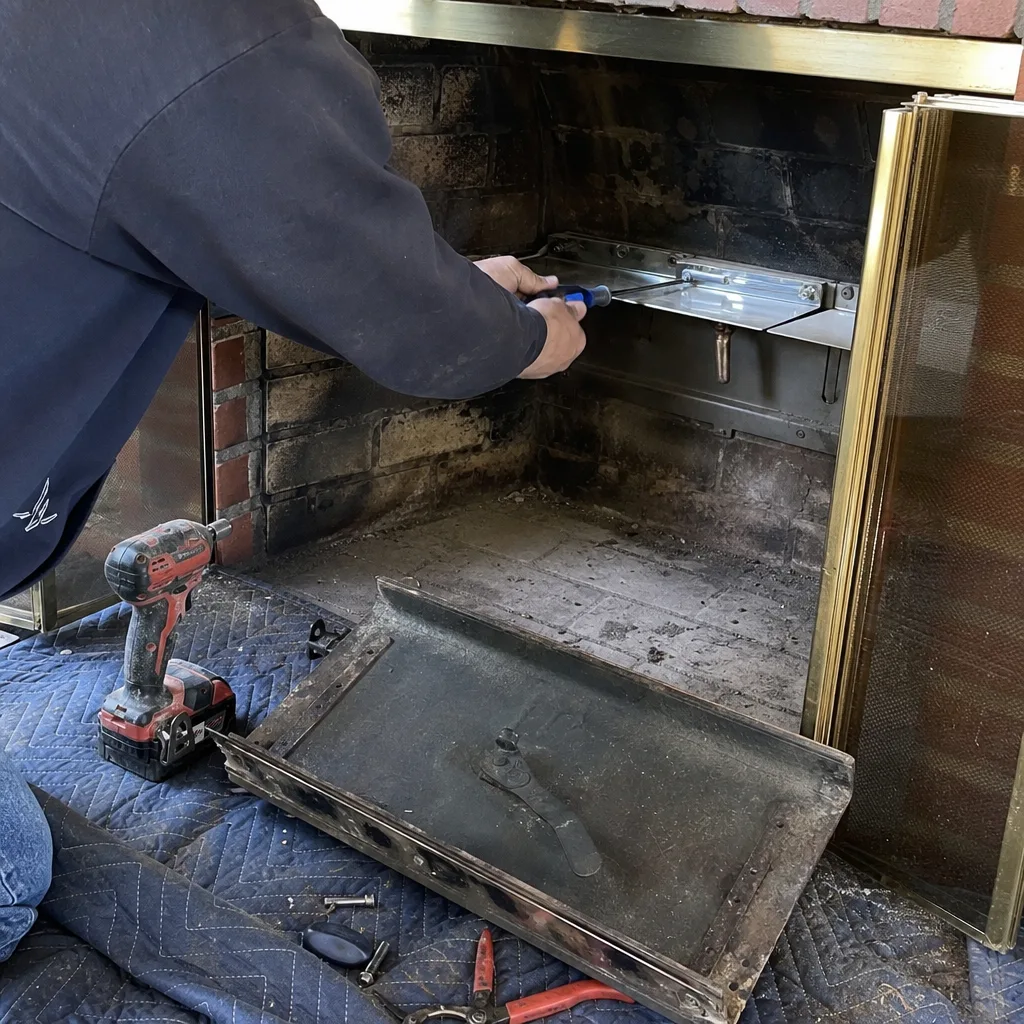
Spalling Brick Repair
Spalling - the flaking or popping of brick faces - is what happens when freeze-thaw cycles hit waterlogged masonry. Reading’s mature oak and maple canopy keeps chimneys damp longer than sun-exposed stacks in Burlington or Wilmington, and the 70-100-year-old brick in Reading neighborhoods absorbs that moisture like a sponge. We remove spalled units, source replacement brick that matches the original patina and absorption rate, and rebuild with proper bond pattern. Where the damage is extensive, we may recommend partial rebuilding of the affected course. Spalling repair in Reading typically runs $1,200-$3,800 for localized work, with full-course rebuilding at the higher end.
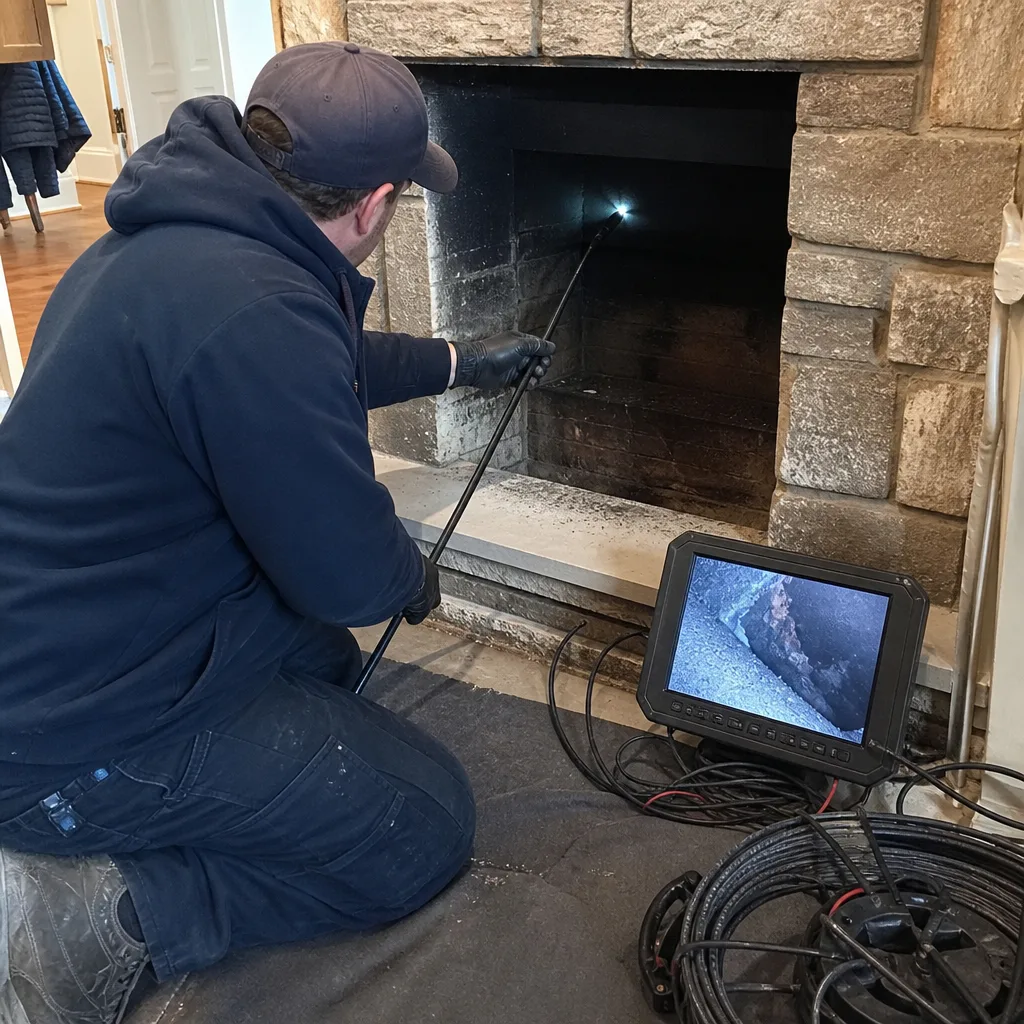
Chimney Waterproofing
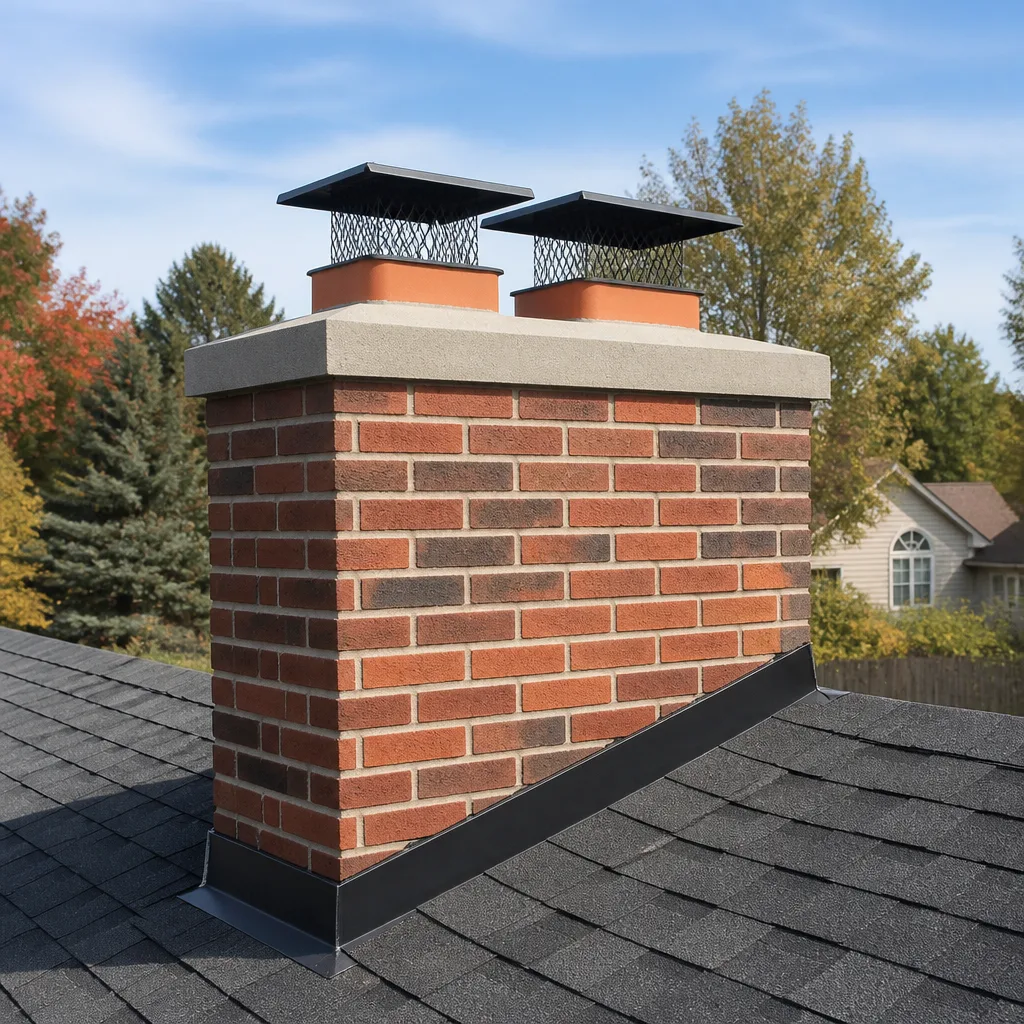
Reading’s combination of freeze-thaw cycling and persistent shade from mature trees makes chimney waterproofing essential, not optional. We apply a vapor-permeable silane/siloxane sealer - brands from our Haven buying network, procured through Copperfield and Famco suppliers - that lets the brick breathe while repelling liquid water. Critical on Reading chimneys: we never seal a chimney that hasn’t been inspected for existing moisture intrusion. Trapping water inside with an impermeable coating will accelerate spalling and liner deterioration. Waterproofing a standard Reading colonial chimney runs $450-$950, including pre-treatment inspection and photo documentation of the sealed surfaces.
Flashing Repair
The intersection where chimney brick meets roof shingles is the most leak-prone detail on any Reading home. Original flashing on 1920s-1960s colonials was often step-flashing with a simple counterflap, inadequate for the volume of water shed by Reading’s steep-pitched roofs during winter rain-on-snow events. We remove the old flashing, inspect the underlying decking for rot (common where leaks have gone undetected), and install new step and counterflashing with proper integration into the shingle courses. Where the chimney passes through a valley or cricket, we fabricate custom soldered copper or specify pre-formed aluminum from Olympia Chimney. Flashing repair in Reading runs $650-$1,800 for standard configurations, with cricket fabrication or extensive decking repair adding to the scope.
Chimney Rebuilding
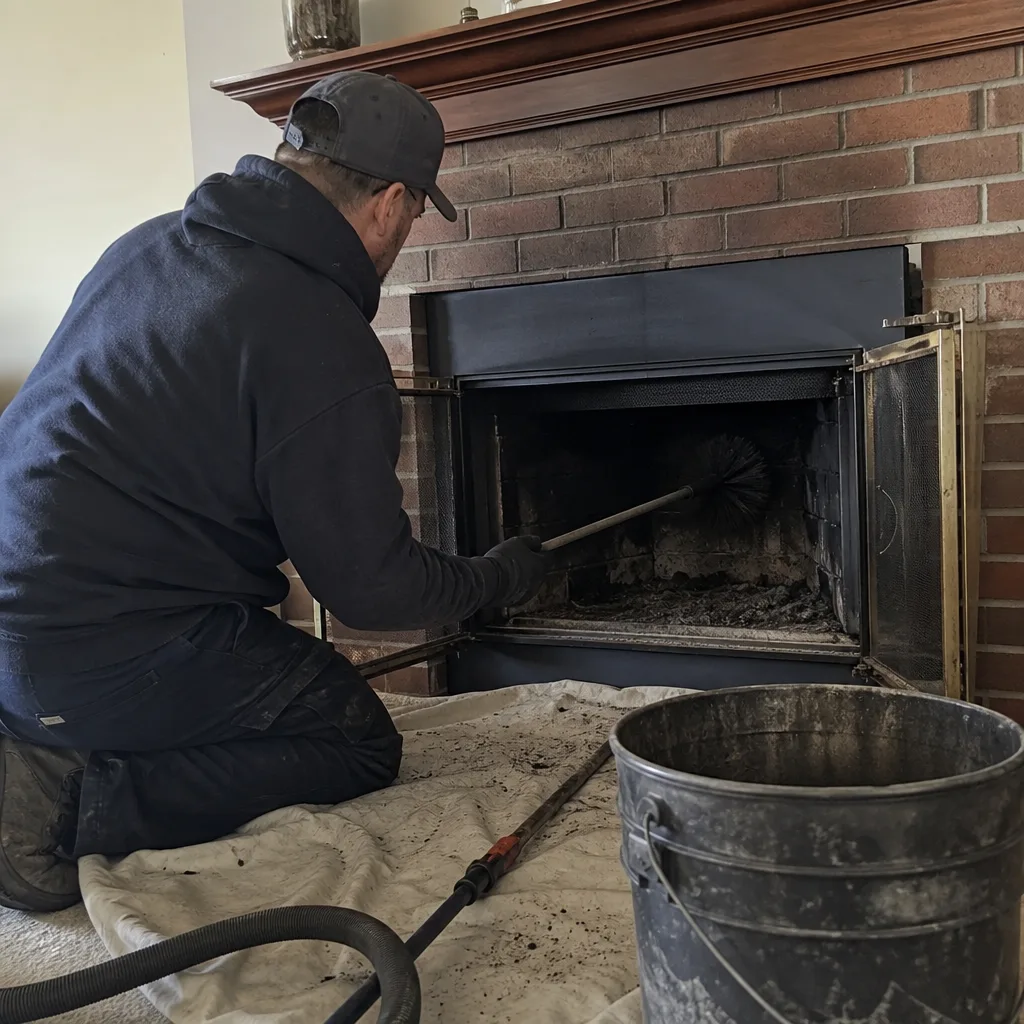
When mortar erosion, spalling, and liner failure compound across multiple courses, partial or full rebuilding becomes the only sound option. We’ve rebuilt stacks on Reading’s denser blocks where crane access is impossible - dismantling course by course, salvaging sound brick, and reconstructing with modern reinforcement and proper flue separation. Rebuilding costs in Reading range from $4,500 for a partial rebuild to $8,500-$12,000 for a full multi-flue stack with new liners and crown. Every rebuild includes Haven Standard Clause 4 photo documentation of the underlying structure before it’s covered.
Tuckpointing
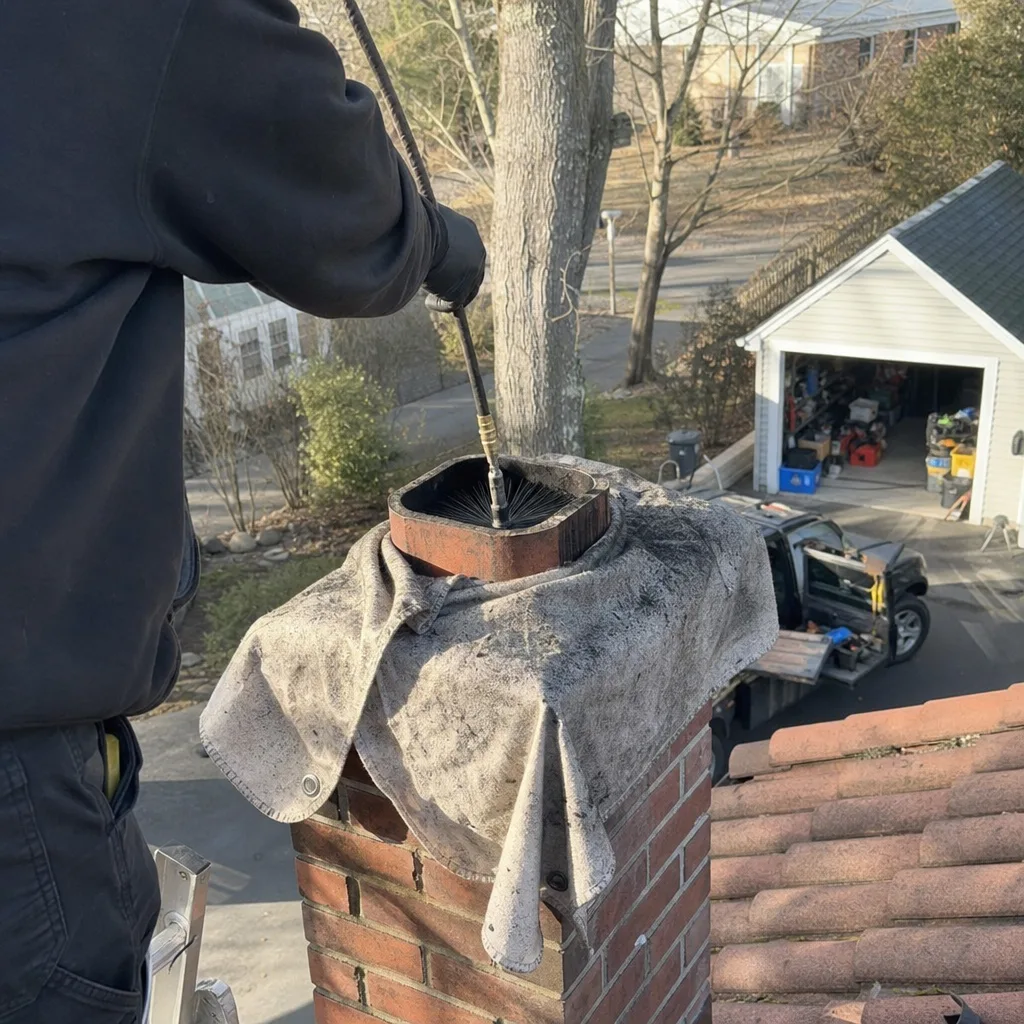
Tuckpointing is the cosmetic refinement of repointing - cutting narrow grooves in the new mortar and infilling with a contrasting “tuck” line to replicate the fine joint appearance of historic Reading brickwork. We offer this where the chimney is a prominent architectural feature or where preservation standards apply. Tuckpointing adds $300-$600 to standard repointing costs.
What happens when you call
- 1
A real person answersNo phone trees - you reach a local pro.
- 2
You get an upfront price rangeHonest numbers before anyone is dispatched.
- 3
A background-checked tech heads outLicensed & insured, dispatched right away.
- 4
You approve before work beginsNothing starts until you say go.
 Before
 After
AfterTrusted Brands We Service in Reading
We don’t source materials from whoever’s cheapest this week. Through Haven’s buying network, we stock Gelco stainless steel liners, HeatShield cerfractory flue resurfacing compound, and Olympia Chimney flashing components specifically for Reading’s repair workload. Famco chimney caps and Copperfield waterproofing agents round out our standard inventory. That means no waiting three weeks for a liner delivery when your abandoned oil flue needs capping before the next freeze. We carry the parts, we know the application, and the written price reflects actual material costs - not a markup after we find out what we have to special-order.
Common Chimney Repair Problems We See in Reading Homes
- Abandoned oil flues after gas conversion. National Grid’s gas conversion program has moved fast through Reading, and the original oversized oil flue is frequently left uncapped - sometimes open to weather for years. That flue pulls cold air and moisture through shared brick into your active fireplace flue, softening mortar and rusting the liner from the outside in.
- Freeze-thaw crown destruction. Reading’s hard freeze-thaw cycles from November through March crack unreinforced concrete crowns, especially on north-facing chimneys beneath mature canopy that never fully dries. Water enters the crack, freezes overnight at 15°F, and wedges the crown apart by spring.
- Shared-stack cross-contamination. On Reading’s dense pre-war blocks, multi-flue stacks were built shoulder-to-shoulder with neighbors’ systems. An uncapped flue in 14A can pull combustion gases, moisture, and even animal nesting debris into 14B’s fireplace flue through connected wythes - a pattern that doesn’t exist in Winchester’s newer subdivisions with separated single-flue construction.
- Spring animal nesting in unscreened flues. Reading’s squirrel and raccoon population is robust, and an uncapped flue is a ready-made nursery. Nesting material blocks draft, causes smoke backup, and provides the fuel load that turns normal first-degree creosote into glazed third-degree buildup that requires chemical treatment, not brushing.
Pricing for Chimney Repair in Reading, MA
Here’s what Reading homeowners actually pay, based on jobs we’ve completed in the 01867 zip and surrounding blocks:
| Service | Typical Range in Reading |
|---|---|
| Mortar repointing (localized) | $850 - $2,400 |
| Spalling brick repair (partial) | $1,200 - $3,800 |
| Chimney waterproofing | $450 - $950 |
| Flashing repair / replacement | $650 - $1,800 |
| Abandoned flue capping + sealing | $380 - $720 |
| Partial chimney rebuild | $4,500 - $8,500 |
| Full multi-flue rebuild with liners | $8,500 - $12,000 |
These ranges reflect Reading’s specific conditions: tight lot access, shared-stack complications, and the prevalence of 70-100-year-old masonry requiring more extensive prep work than newer construction. Every estimate includes the NFPA 211 Level 2 camera inspection ($275 value) and a documented photo record - not added on, not optional. We deliver a written price, written scope, and written warranty before work starts, per Haven Standard Clause 1. Call (978) 861-1012 for your exact quote; estimates are free.
The Reading-Specific Risk: Shared Stacks and Abandoned Flues
Reading’s dense pre-war streetcar-suburb blocks put multi-flue brick stacks shoulder-to-shoulder with neighbors’ rooftops, so an abandoned oil flue left uncapped after a gas conversion can pull cold air and moisture from a neighbor’s shared stack straight into your own chimney chase. That cross-contamination risk is a Reading-specific condition that doesn’t show up in newer towns with separate single-family flue systems.
On a tight Hancock Street block last November, a homeowner called us about a damper that wouldn’t seal and a draft that seemed to pull from the neighbor’s side of the shared stack. Our tech’s Level 2 inspection found the adjacent unit’s converted oil flue uncapped and open to weather - its moisture was migrating through the shared brick and had already softened the mortar joints next to the client’s firebox. We repointed the affected mortar, capped and sealed the abandoned flue, installed a Gelco stainless liner in the client’s fireplace flue, and waterproofed the crown before the first hard freeze.
The pattern repeats across Reading: Pleasant Street colonials, the Cape Cods near Birch Meadow, the attached doubles off Main. If your home was built before 1965 and you’ve converted from oil to gas, your chimney almost certainly has a flue that needs inspection - and possibly capping, relining, or sealing - regardless of whether your fireplace still draws.
We Also Serve Cities Near Reading
Our crews work Reading streets daily and carry the same equipment and stock to neighboring towns. We also serve Wakefield, Wilmington, Burlington, and Winchester - though each town’s housing stock brings different repair patterns. Wakefield’s 1970s-1980s construction sees more factory-built chimney chase repair; Burlington’s newer homes have fewer shared-stack issues but more crown flashing failures from wind-driven rain. Wherever you are, the process is identical: camera inspection, written price, documented record, 365-Day Done Right Promise.
Serving Reading, MA - Our Local Coverage Area
We’re based in the Reading area and know this community well. Use the map below to see our service coverage - if you’re nearby, we can almost certainly help.
FAQs - Chimney Repair in Reading
Yes, and this is one of the most common hidden problems we find in Reading’s pre-war housing. If your neighbor’s abandoned oil flue was left uncapped after a National Grid gas conversion, it can pull moisture, cold air, and even combustion byproducts through connected brick wythes into your active flue. Our Level 2 camera inspection identifies cross-contamination paths that a standard flashlight look won’t reveal. Call (978) 861-1012 to schedule - we’ll show you exactly what your flue shares with the unit next door.
Almost certainly not. Gas utility conversions in Reading’s National Grid territory typically terminate the oil burner and connect the gas appliance to a separate flue or direct-vent it entirely. The original oversized oil flue is frequently left open to weather - uncapped, unlined, and deteriorating. We’ve found abandoned flues in Reading homes that have been open for five, ten, even fifteen years. Only a camera inspection can confirm the condition of that flue and whether it’s compromising your active fireplace flue. We include this check in every Reading inspection, and capping plus sealing runs $380-$720 when needed.
Reading averages 20-30 nights below 20°F each winter, with daytime thaws common in January and February. Water that seeps into hairline crown cracks overnight freezes and expands by about 9% volume, wedging the crack wider. By March, a 1/16-inch crack can become a 1/4-inch gap that funnels water directly onto the flue liner and smoke chamber. North-facing chimneys beneath Reading’s mature canopy - common along Main Street and the residential blocks between - never fully dry, so the cycle repeats more frequently. We seal or rebuild crowns with reinforced concrete and proper drip edges before freeze season, and waterproof the entire stack for added protection.
Because deterioration in Reading happens whether you light fires or not. The abandoned oil flue, the freeze-thaw cycling, the squirrel that nested in March, the flashing that lifted in a February windstorm - none of these care how often you use your fireplace. NFPA 211 recommends annual Level 2 inspection for any chimney serving a solid-fuel appliance, and in Reading’s housing stock we strongly advise the same for abandoned flues and shared stacks. Our inspection includes the camera scan, photo record, and written condition report under Haven Standard Clause 4. Catching crown cracking at $450 waterproofing beats rebuilding at $8,500.
First-degree creosote is flaky, sooty, and brushes out easily - what you’d expect from occasional fireplace use with dry hardwood. Third-degree creosote is a hard, glossy, tar-like glaze that forms when wood burns incompletely (wet wood, restricted air, or blocked draft) and the condensates bake onto the flue wall. In Reading, we see third-degree glaze most often in chimneys with animal nesting or abandoned flues that create erratic draft patterns. Third-degree creosote cannot be brushed out; it requires chemical treatment or rotary mechanical removal, and it’s the fuel source in most chimney fires. Our camera inspection classifies the creosote degree and documents it - so you know whether a standard sweep will handle it or if treatment is necessary.
Ready to see what your chimney actually needs? Call (978) 861-1012 now. A live person will answer, schedule your NFPA 211 Level 2 inspection with camera documentation, and deliver a written price before any repair work begins. Estimates are free, and our Free Second Opinion applies to any competitor’s written quote you’ve already received.
Written by Corrine Halstead, Owner at Level Two Chimney Co., serving Reading since 2009 under the Haven Standard.
Chimney Repair in Nearby Areas