
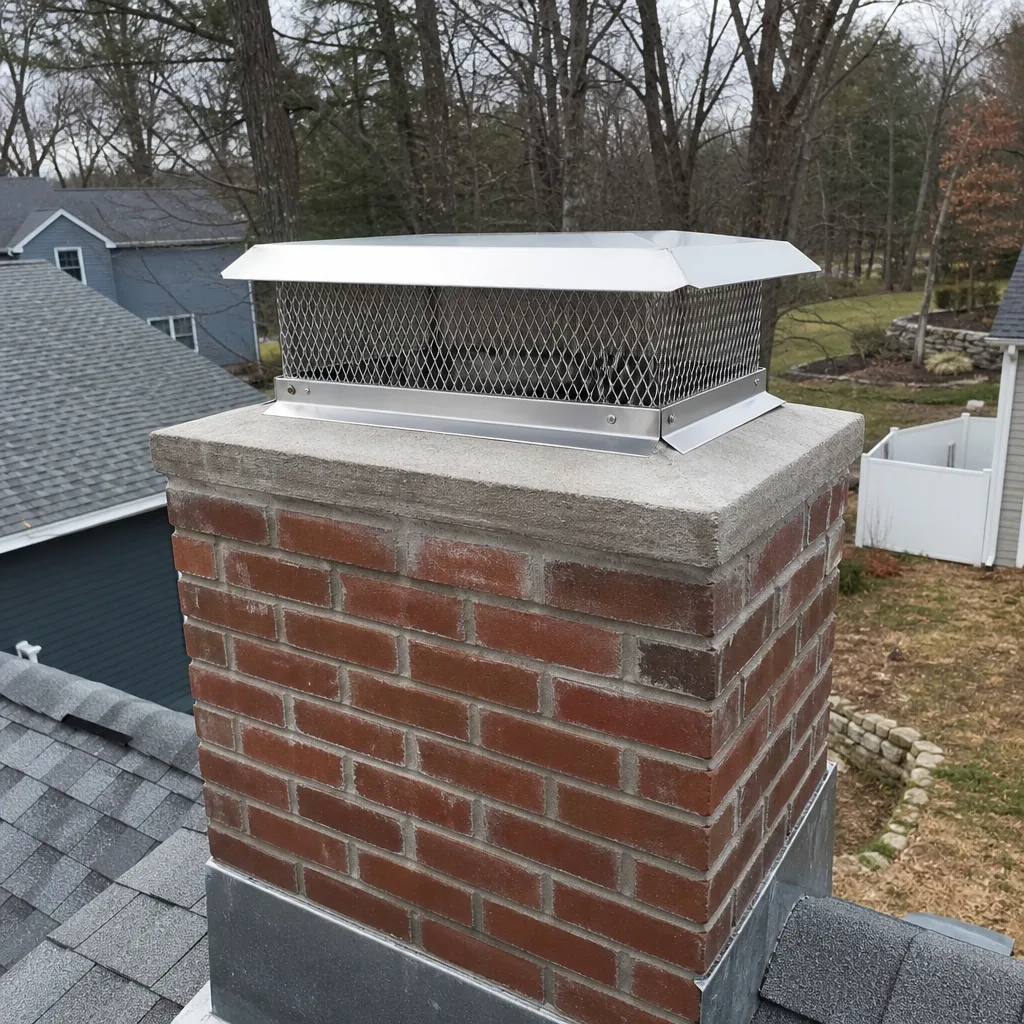
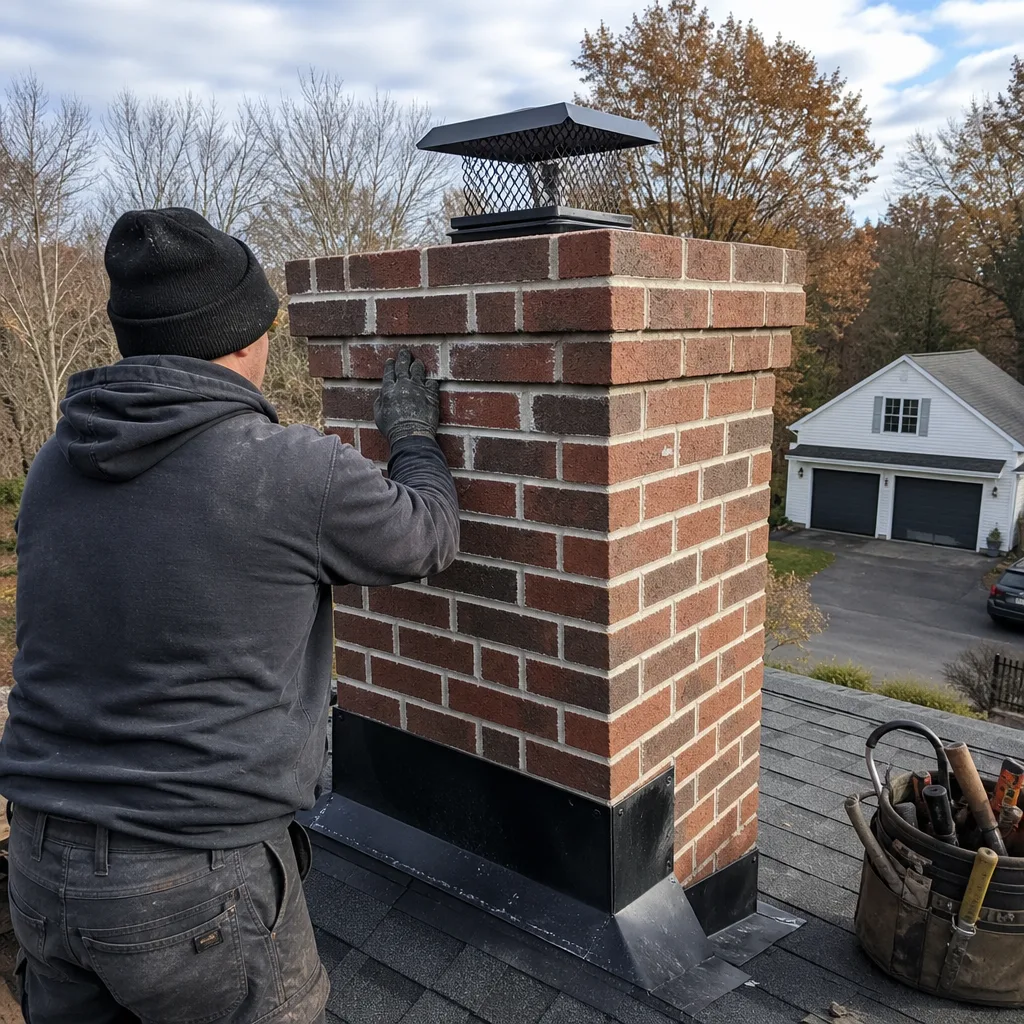
Level 1 sweep and inspection to the NFPA 211 annual standard - flue, crown, cap, and flashing checked and photographed
Chimney sweep logs do not sweep chimneys. They loosen some creosote - which then falls where a brush and vacuum still have to collect it.
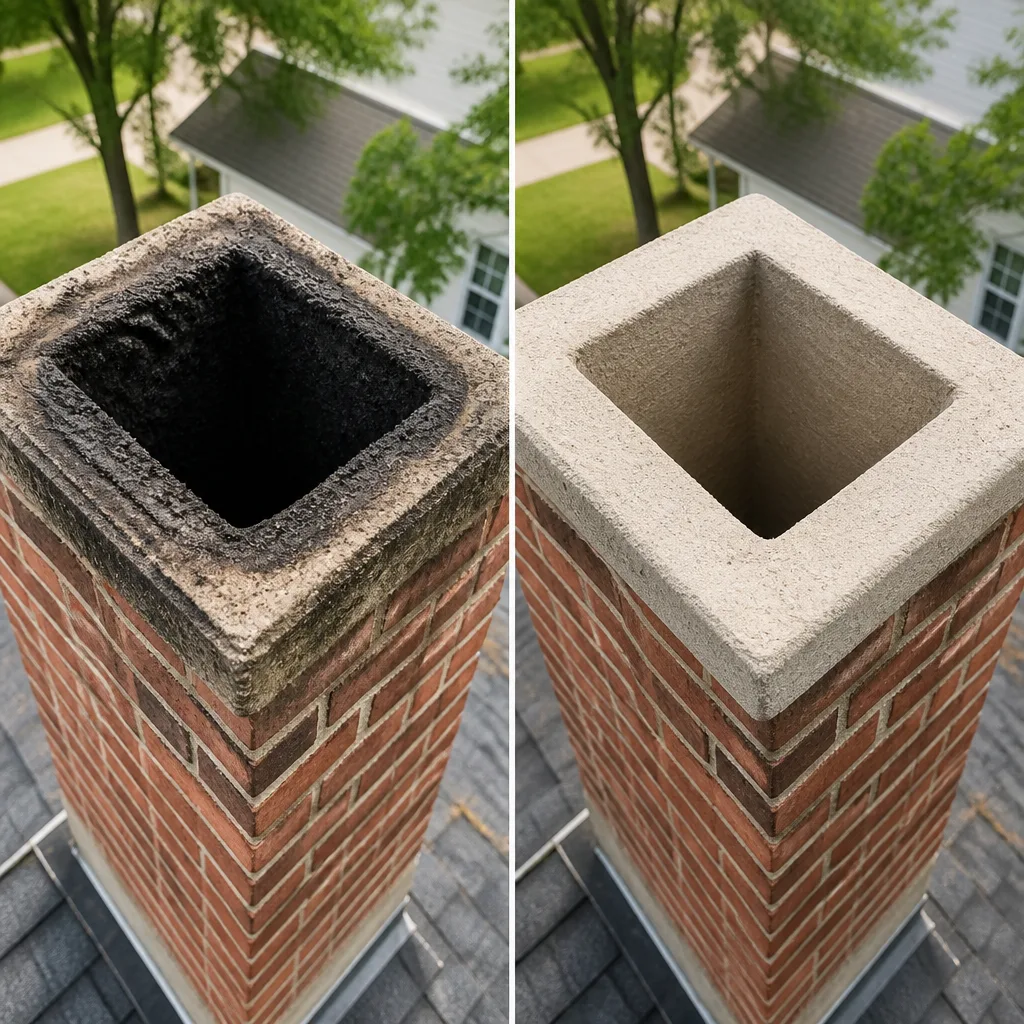
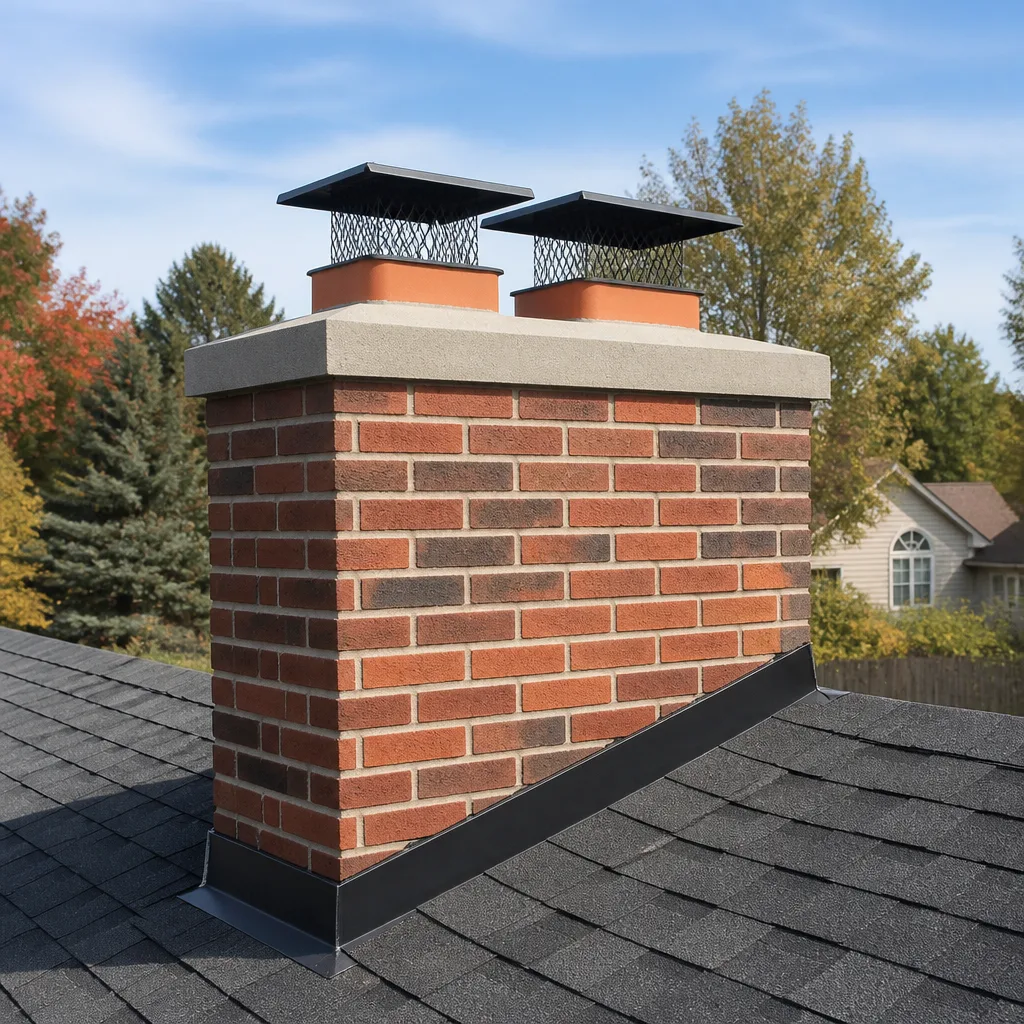
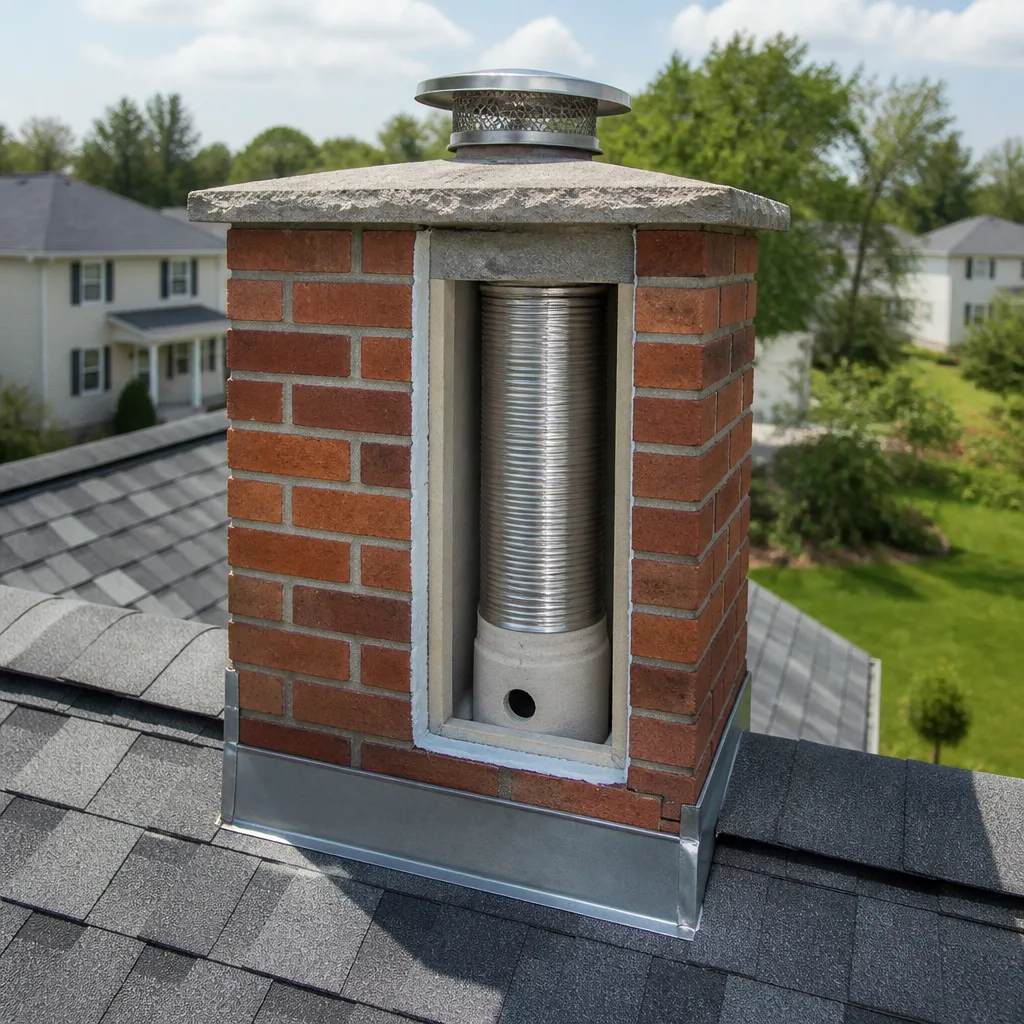
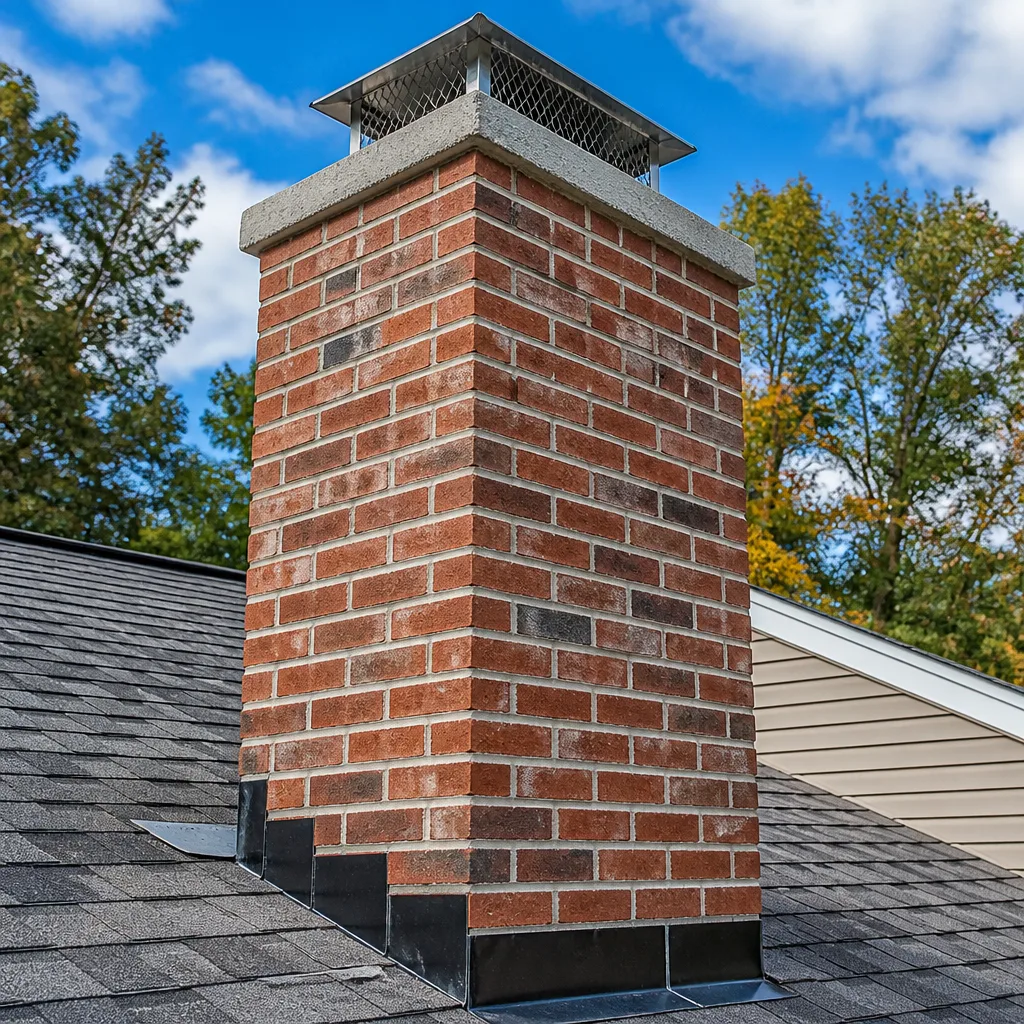
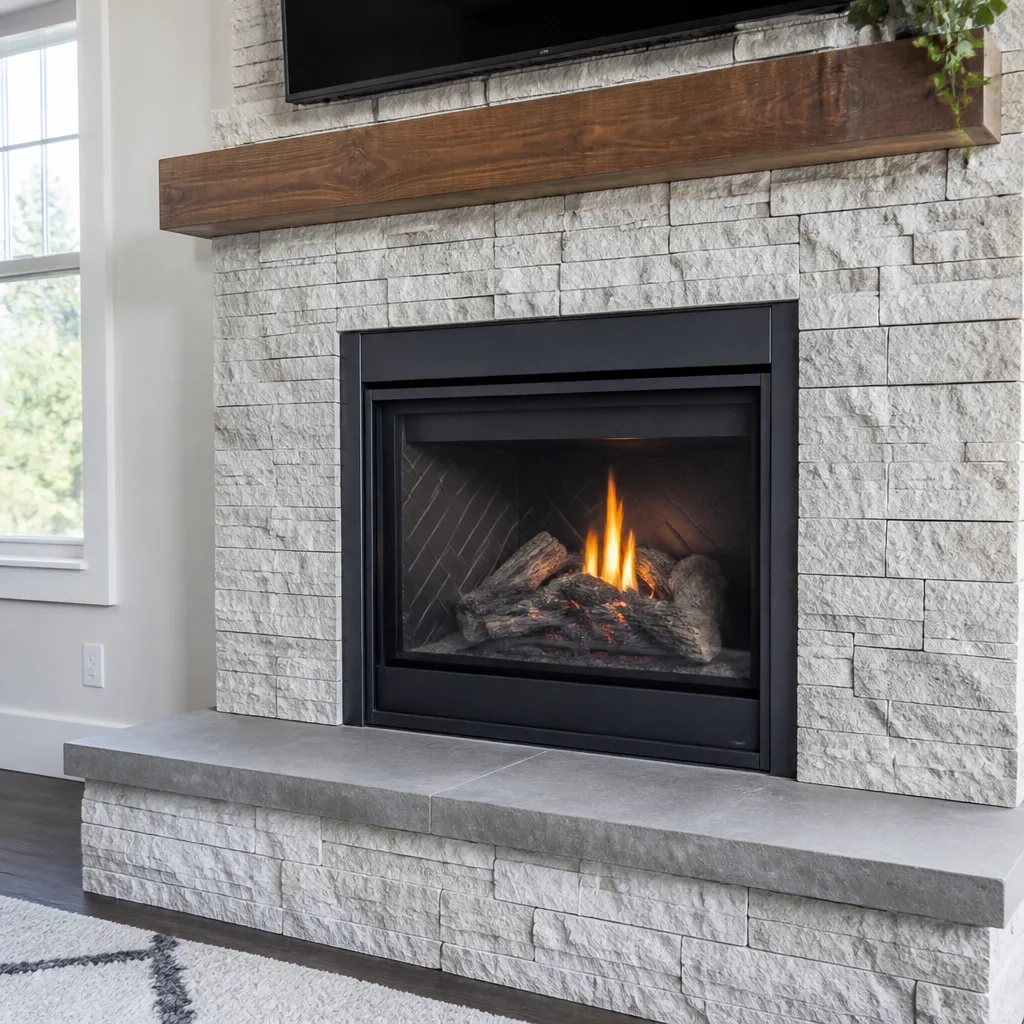
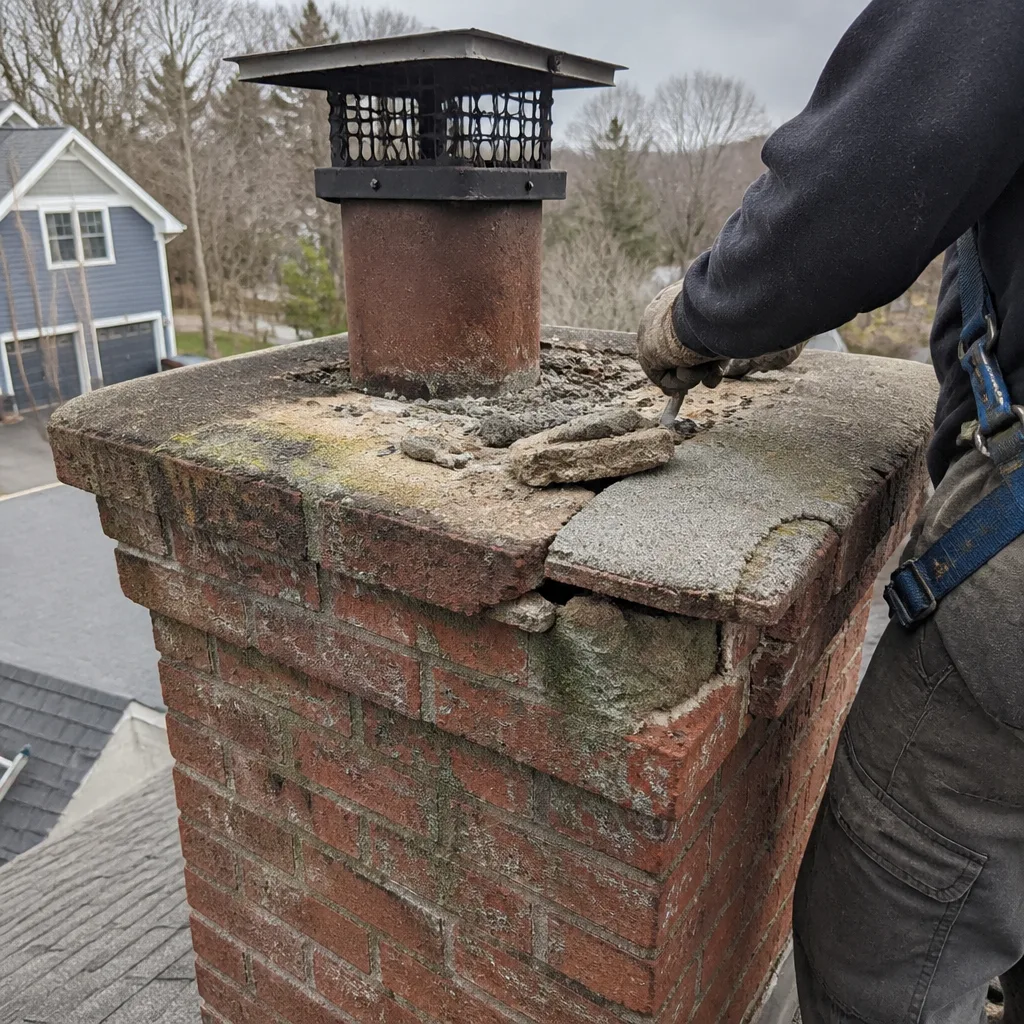 Before
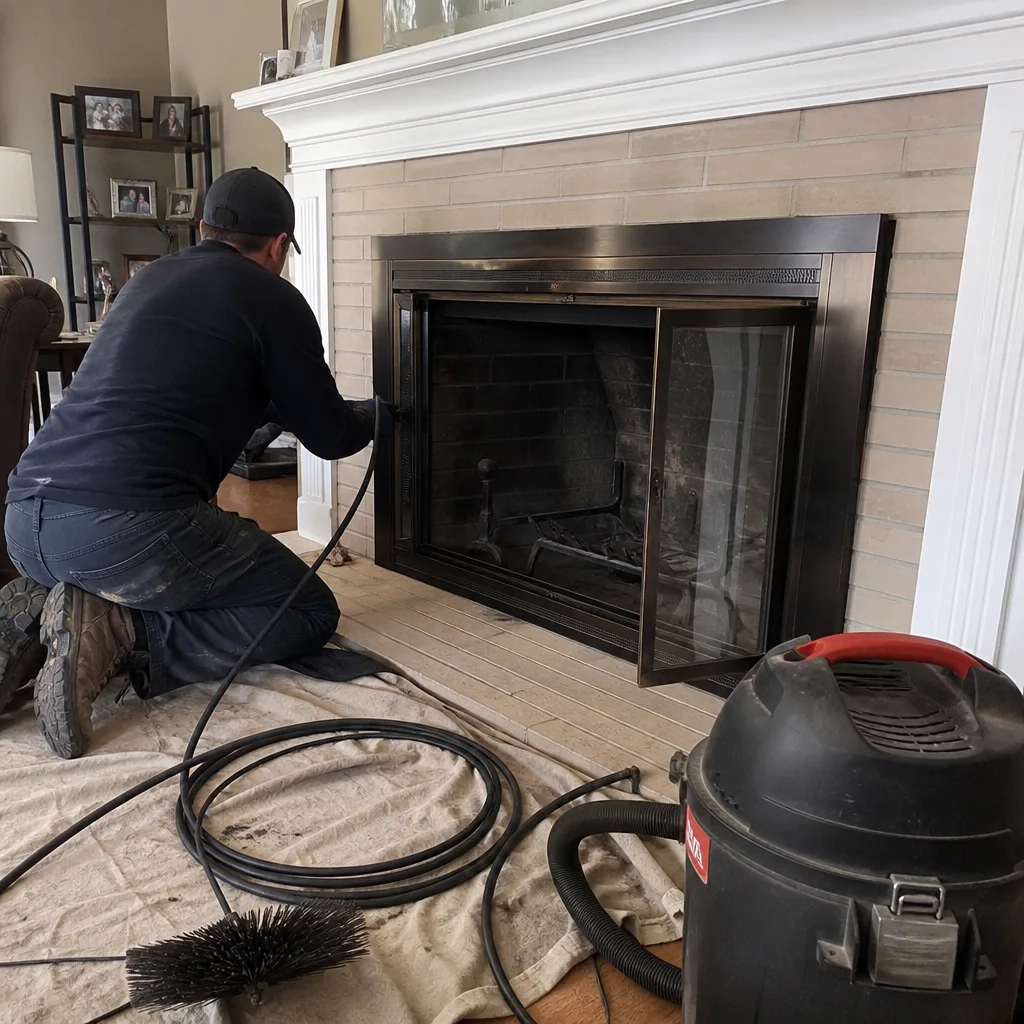 After
After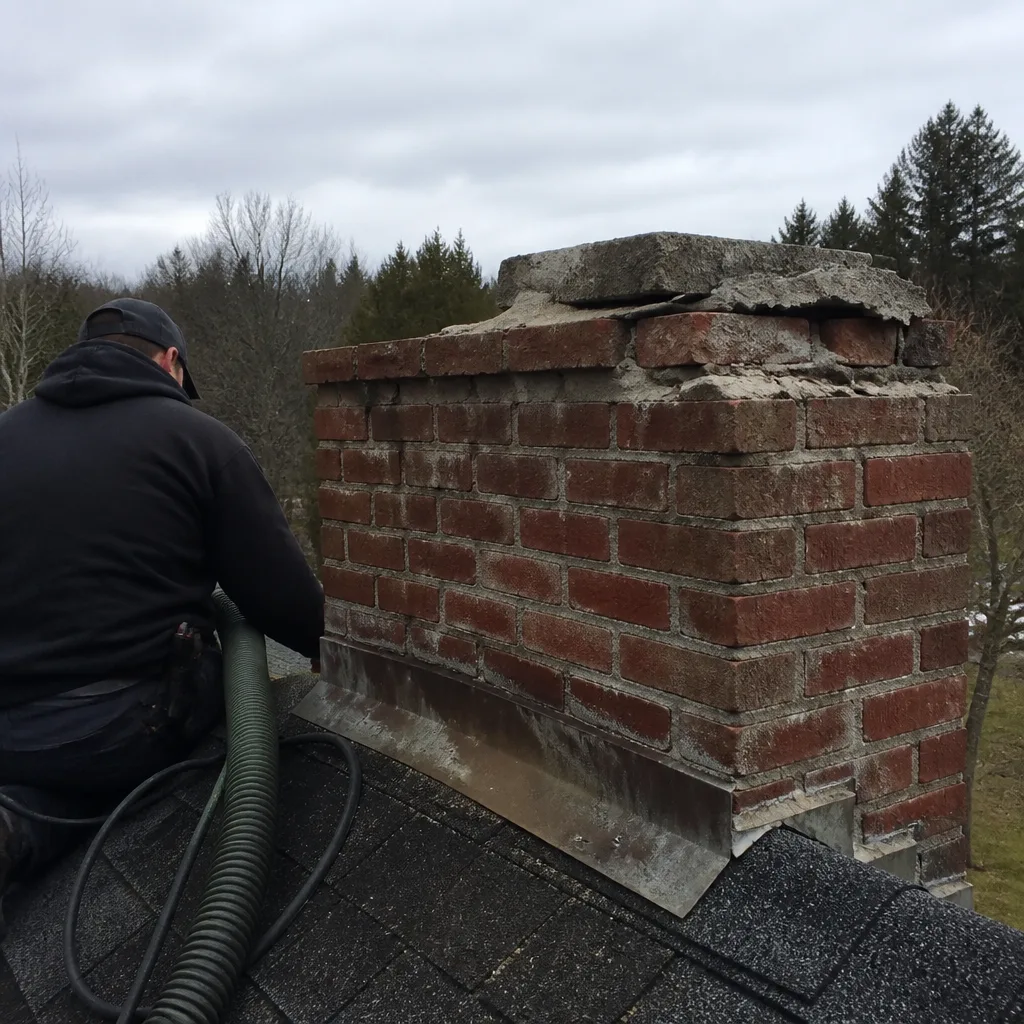 Before
 After
After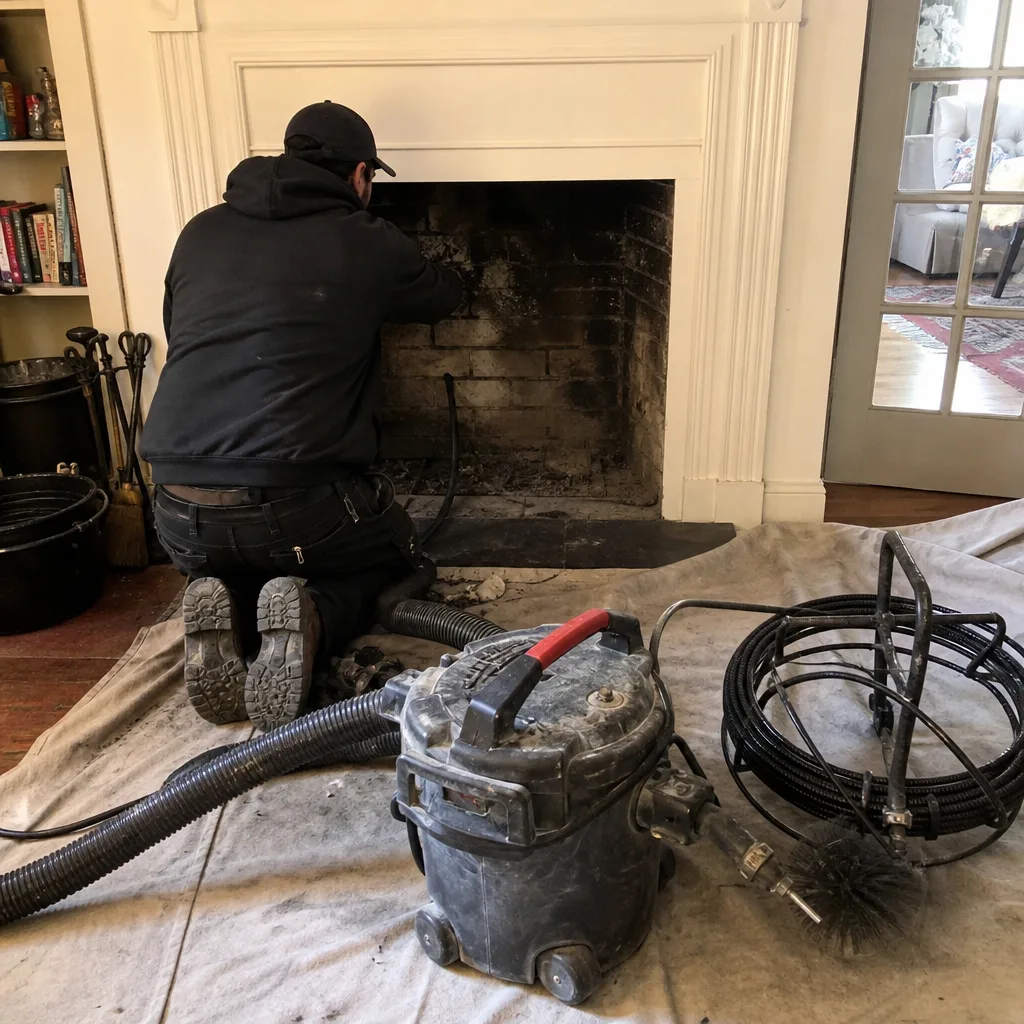 Before
 After
AfterCreosote Removal in Wakefield, MA
Creosote removal in Wakefield, MA typically costs between $180 and $650, depending on the class of buildup and how many flue sections are affected. Most residential jobs are completed in a single visit, and you’ll have a written price before anyone touches your chimney. If you’re already seeing a smoky smell on warm days or a tar-like glaze inside your firebox, the buildup is likely past the point where a standard sweep handles it.
Level Two Chimney Wakefield has been camera-scanning flues and removing creosote buildup since 2009 – more than 38,000 chimney inspections and cleanings across this region, every one of them quoted in writing before work started. This page is part of our Chimney Cleaning & Sweep in Wakefield service, but creosote removal is its own discipline. When the buildup has hardened, glazed, or exceeded what a brush alone can address, you need a different set of tools and a technician who knows how to classify what’s actually in the flue. That’s what we do. Call us at (978) 861-1012 any time – a live person picks up, seven days a week.
What Creosote Is and Why the Class Matters
Creosote is the byproduct of incomplete combustion. Every fire leaves some behind. The issue is what form it takes. The NFPA 211 standard – the same standard our inspection protocol is built on – classifies creosote in three stages, and the class determines the method and cost of removal.
- Class I (First-Degree): Flaky, powdery, and gray-black in appearance. A standard chimney brush removes it cleanly. This is what you want to see.
- Class II (Second-Degree): A harder, tar-like layer that has begun to harden against the flue liner. Brushes can cut through it, but it takes more passes, specialty rotary tools, and often a chemical pre-treatment to break it up.
- Class III (Third-Degree): Glazed, shiny, and in some sections almost like hardened resin. It’s dense, it’s flammable, and it does not respond to brushing alone. Class III creosote is the material behind the majority of chimney fires. Removal requires chemical treatment, often in multiple applications, combined with mechanical scrubbing.
Wakefield and the surrounding towns – Lynnfield, Reading, North Reading, Melrose – see a particular pattern of Class II and early Class III buildup in older homes where the original masonry flue is undersized for a modern wood insert. The clay liner sections cool the flue gases faster than a properly sized stainless liner would, which accelerates condensation and hardening. We see it regularly in homes near the lake-side streets and in the older Colonial-style construction off Salem Street and Main Street. If your home was built before 1985 and you burn wood, a standard sweep probably isn’t enough.
When You Need Creosote Removal
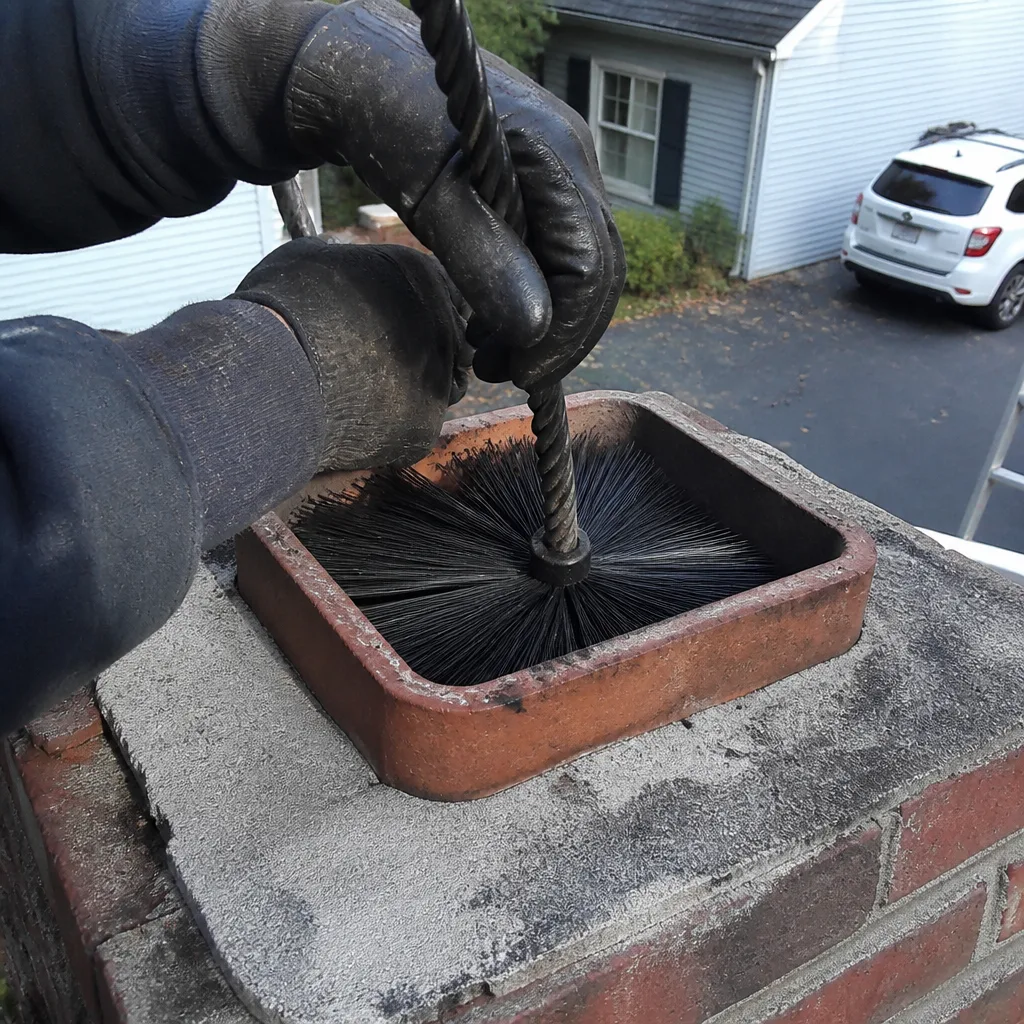
A standard Chimney Cleaning & Sweep catches Class I buildup before it becomes a problem. Creosote removal as a distinct service is what you need when the buildup has already progressed. Here are the specific situations that call for it:
- A smoky or acrid smell when the fireplace isn’t in use. In Wakefield, this often surfaces during the warmer months – May through August – when humidity pulls the volatile compounds out of Class II deposits and into the living space. If you’re smelling it in summer, the buildup has been there since at least the previous heating season.
- A visible dark glaze or shiny coating inside the firebox. Class I creosote is matte and dusty. If what you’re seeing looks lacquered or reflective under a flashlight, that’s the telltale sign of Class III glazing. Do not use that fireplace until it’s been assessed.
- A recent chimney fire, even a small one. Many homeowners don’t realize they’ve had one. You may hear a low rumble, notice unusual heat coming from the chimney exterior, or find your smoke detector responding to a fire that seems controlled. Any suspected chimney fire requires a Level 2 camera inspection and creosote removal before the fireplace is used again.
- Annual inspections showing buildup exceeding 1/8 inch. The NFPA 211 standard calls for removal when deposits reach this threshold. If your last inspection report flagged this – or if you don’t have a written inspection report at all – it’s time to schedule.
- Burning green or wet wood over multiple seasons. Unseasoned firewood is the primary driver of accelerated creosote formation. Homes in Wakefield that use firewood from local sources, especially after the winter ice storms that down green timber, are particularly susceptible.
- Switching from oil or gas back to wood. Flues that sat dormant or were used exclusively for gas appliances often have a film of acidic condensate on the liner. When wood burning resumes, that layer bonds with new creosote deposits and hardens faster than normal.
 Before
 After
AfterOur Creosote Removal Process
We don’t start with tools. We start with a Level 2 Inspection. Every creosote removal job at Level Two Chimney Wakefield follows the same documented sequence, whether the home is in Greenwood, Montrose, or anywhere else in Wakefield.
- Written price before work starts. Under Haven Standard Clause 1, a written price, written scope, and written warranty are delivered before any work begins. You know the number before the drop cloths go down. No revisions after the tech is already in your home.
- Level 2 camera scan of the flue. We run a camera down the liner to document the actual condition: the class of buildup, the location and thickness of deposits, and the integrity of the liner itself. You’ll see the same images we see. This is Haven Standard Clause 4, and it’s been our standard practice since 2009 – not a premium add-on.
- Chemical pre-treatment for Class II and Class III deposits. For hardened or glazed creosote, we apply a professional-grade chemical treatment to the flue walls. This begins breaking down the molecular structure of the deposits, making mechanical removal effective and reducing the risk of displacement of large chunks during scrubbing. We source through Haven’s buying network, which includes suppliers like Copperfield and Olympia Chimney, specifically to keep material costs – and your bill – reasonable.
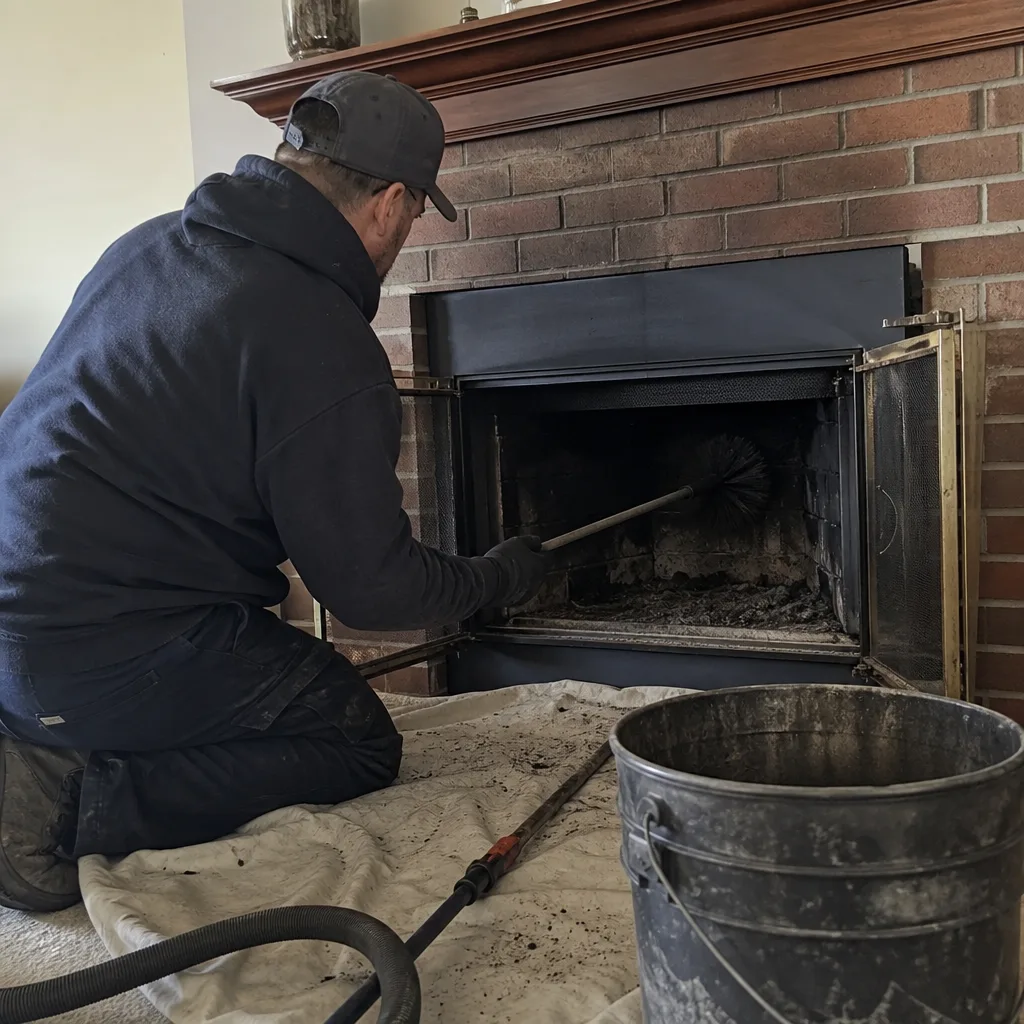
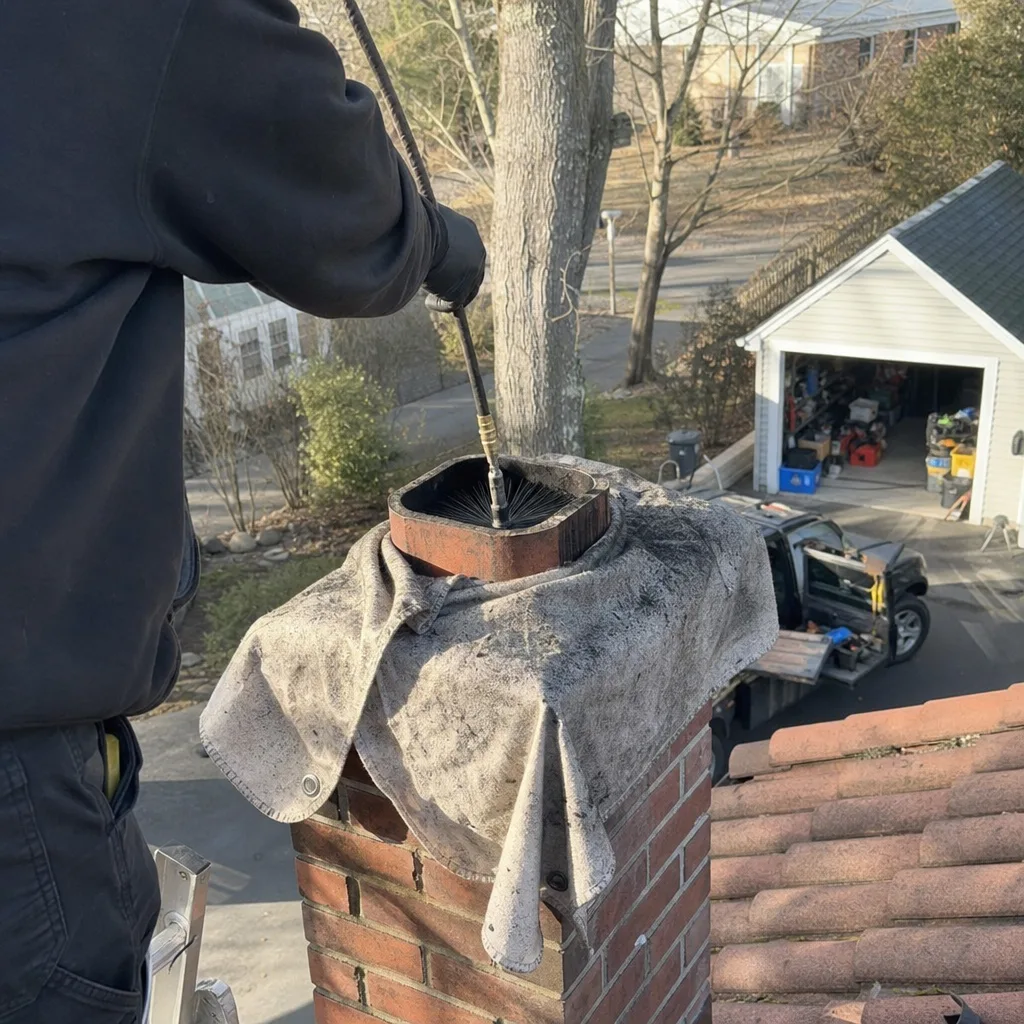
- Mechanical removal with rotary and specialty brushes. After the chemical pre-treatment has had time to work, our technicians run rotary tools and specialty brushes through the flue. For Class III glazing, this may require multiple passes. We work from the top down and seal the firebox opening to contain dust and debris inside the firebox and collection area.
- Firebox and smoke chamber cleaning. The smoke chamber – the area directly above the firebox that funnels exhaust into the flue – collects some of the densest deposits and is often overlooked. We clean it as part of the process, not as an upsell.
- Post-removal camera verification and photo record. Once the flue is clear, we run the camera again and document the result. You receive a photo record of the before and after condition – the same archive that’s been part of every job we’ve done. If we find anything else during the inspection (liner cracks, spalling mortar joints, a damaged smoke chamber corbel), we document it and give you a written scope for that work separately, with no pressure to act the same day.
A quick note on safety: Class III creosote removal involves chemical agents and mechanical tools that generate fine particulate inside the flue. This is not a DIY project. Beyond the fire risk, displacing large glazed deposits without the right containment equipment puts airborne carcinogenic material into your home. Our technicians are background-checked, uniformed, and trained specifically in NFPA 211 Level 1 Inspection and Level 2 protocol. You’ll receive a text when they’re on the way.
Creosote Removal Pricing in Wakefield
Creosote removal in Wakefield runs between $180 and $650 for most residential jobs. The range is wide because the class of buildup and the condition of the flue vary significantly. Here’s how the pricing breaks down:
| Service | Typical Price Range |
|---|---|
| Class I Creosote Removal (standard sweep) | $180 – $260 |
| Class II Creosote Removal (rotary tools, no chemical) | $250 – $390 |
| Class III Creosote Removal (chemical treatment + mechanical) | $390 – $650 |
| Multi-flue homes (per additional flue) | Add $120 – $200 |
| Level 2 Camera Inspection (included on every visit) | Included |
| Photo Documentation Record (Haven Standard Clause 4) | Included |
What affects your specific number: the class of creosote found on camera, whether chemical pre-treatment is required, the height and accessibility of the flue, and whether the smoke chamber needs separate attention. Homes with taller chimneys – common in the older two-and-a-half-story construction in Wakefield’s historic center – can add time and therefore cost.
Every price you see from us is a written number, delivered before work starts. If a competitor has given you a written estimate, bring it to us. Our Free Second Opinion is available on any written quote, and if the scope is sound and the price is fair, we’ll tell you that too. Call (978) 861-1012 for a free estimate – the price will be on paper before anything starts.
The 365-Day Done Right Promise
Every creosote removal job we do in Wakefield is covered by the 365-Day Done Right Promise. If it’s not done right, we make it right – no invoice, no debate. This isn’t a customer-service slogan; it’s stamped on every job under the Haven Standard. The photo record from your visit is the documentation that makes the promise enforceable: you can see what the flue looked like before and after, and so can we.
We’ve done this work since 2009. In that time, the camera-scan documentation practice we started has become standard in the industry and is now part of what NFPA 211 and insurers expect. We didn’t start doing it because regulators asked. We started because a written record is the only honest way to stand behind work you can’t see with the naked eye.
FAQs – Creosote Removal in Wakefield
How much does creosote removal cost in Wakefield, MA?
Creosote removal in Wakefield costs between $180 and $650 depending on the class of buildup. Class I (flaky, powdery deposits) falls at the lower end and is typically handled during a standard chimney sweep. Class III (glazed, hardened deposits requiring chemical treatment and mechanical scrubbing) is at the upper end. The Level 2 camera inspection and photo record are included in all cases – they’re part of how we determine what class you’re dealing with before we give you a written price. Call (978) 861-1012 and we’ll get you a number without any obligation.
Is creosote removal dangerous, and can I do it myself?
Class I creosote is low-risk and can be addressed by a careful homeowner with the right brush equipment – but Fireplace Cleaning for Class II and Class III is a different matter. Glazed creosote is highly combustible, and disturbing it without proper containment can release fine particulate into your home’s air supply. The chemical agents used for Class III removal are also not consumer-grade products. We’d rather give you an honest answer: if your flue shows anything beyond dusty, flaky buildup, call a trained technician. The cost of getting it wrong is a chimney fire or a compromised liner, and neither is a cheap fix.
How often does creosote need to be removed?
For homes burning seasoned hardwood regularly – two to three cords per heating season, which is common in Wakefield – an annual inspection and cleaning is the standard recommendation under NFPA 211. If you’re burning more frequently, using softwood, or burning wood that isn’t fully seasoned, every six months is more appropriate. The camera scan at each visit tells us exactly where you stand so we’re not guessing. If you had creosote removed this season and the photo record shows a clean flue, you’ll know it.
What happens if creosote isn’t removed?
Unremoved Class II and Class III creosote is the primary cause of chimney fires. A chimney fire in a home with a compromised clay liner – which describes a significant number of pre-1990 homes in Wakefield – can push 2,000-degree combustion gases through cracks in the liner and into adjacent wood framing. Beyond the fire risk, dense creosote deposits restrict airflow, which causes smoke to back-draft into the living space and accelerates the acidic deterioration of the flue liner. The liner repair or replacement that results from neglected creosote removal typically costs several times more than the removal itself would have.
Key Takeaways
- Creosote removal in Wakefield costs $180-$650; the class of buildup – determined by camera scan – sets the price.
- Every job includes a written price before work starts, a Level 2 camera inspection, and a photo record on completion.
- Class III (glazed) creosote requires chemical treatment and should not be approached as a DIY project.
- Wakefield homes built before 1985 with original clay liners are at higher risk for accelerated Class II/III buildup.
- All work is backed by the 365-Day Done Right Promise and a Free Second Opinion on any written competing estimate.
- A live person answers at (978) 861-1012, seven days a week.
Schedule Creosote Removal in Wakefield Today
If you’re seeing the signs – a smoky smell in summer, a glossy film inside the firebox, a camera report flagging deposits – the right move is a camera scan and a written price, not more waiting. Level Two Chimney Wakefield has inspected and cleaned more than 38,000 chimneys since 2009, every one of them documented, every one of them priced in writing before work began. Our background-checked, uniformed technicians serve Wakefield and the surrounding towns, and our home base of operations keeps response times short. Call (978) 861-1012 to schedule your creosote removal – the estimate is free, the price is in writing, and the camera doesn’t lie.
Written by Corrine Halstead, Owner at Level Two Chimney Wakefield, serving Wakefield.