
Last updated September 22, 2026
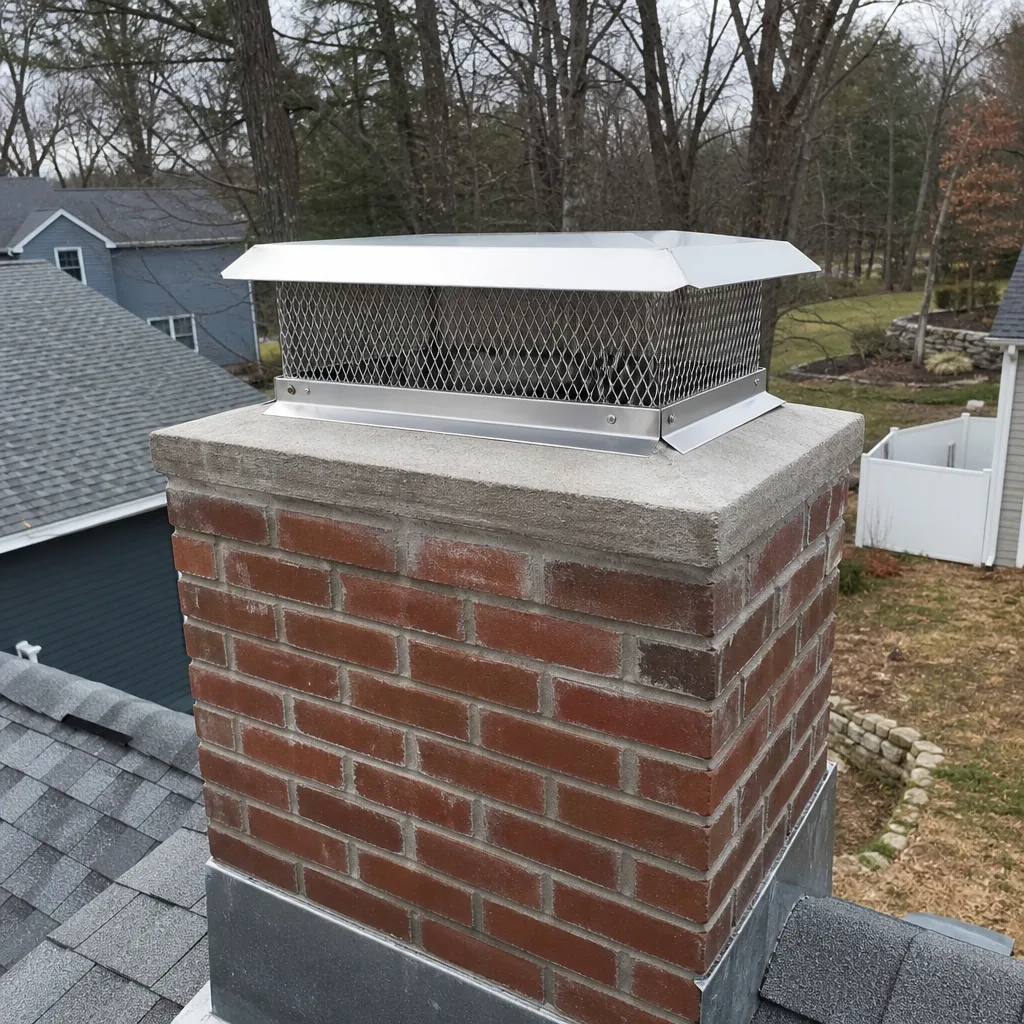
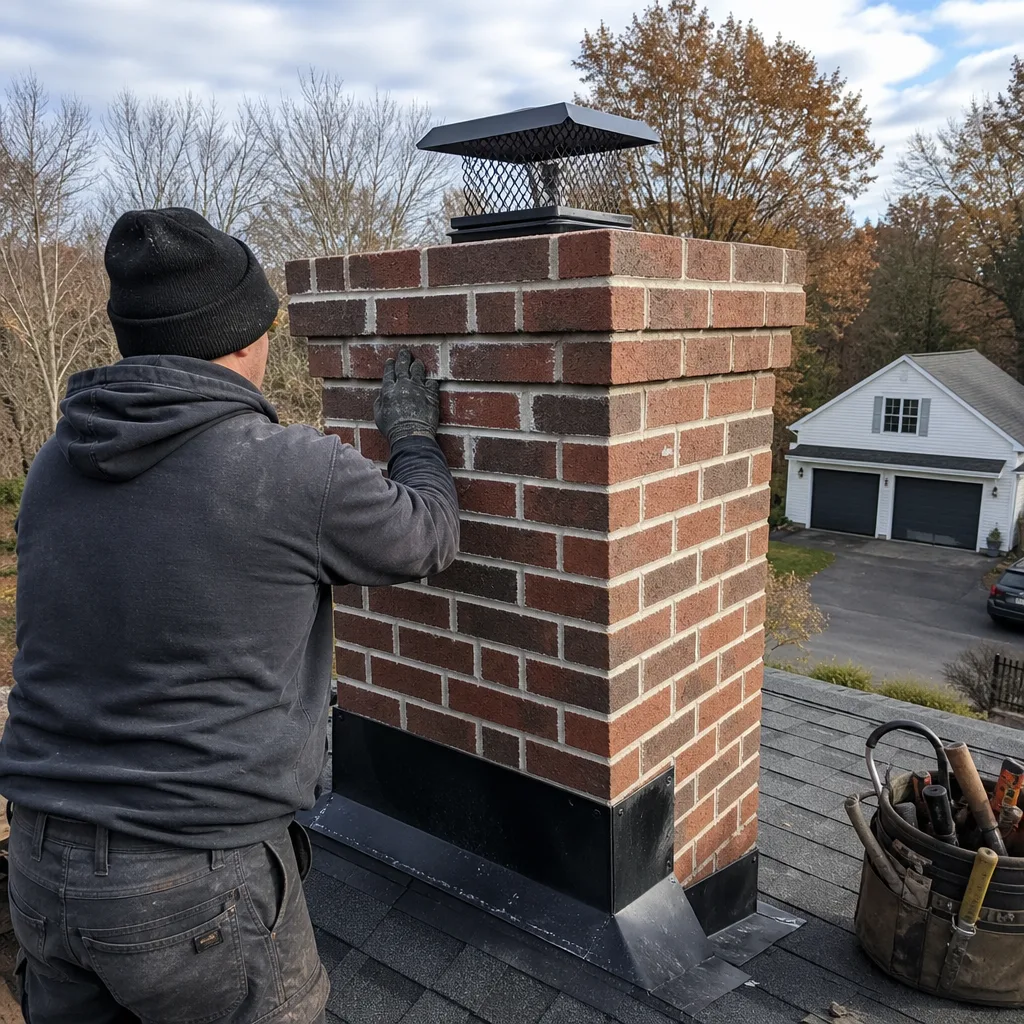
Level 1 sweep and inspection to the NFPA 211 annual standard - flue, crown, cap, and flashing checked and photographed
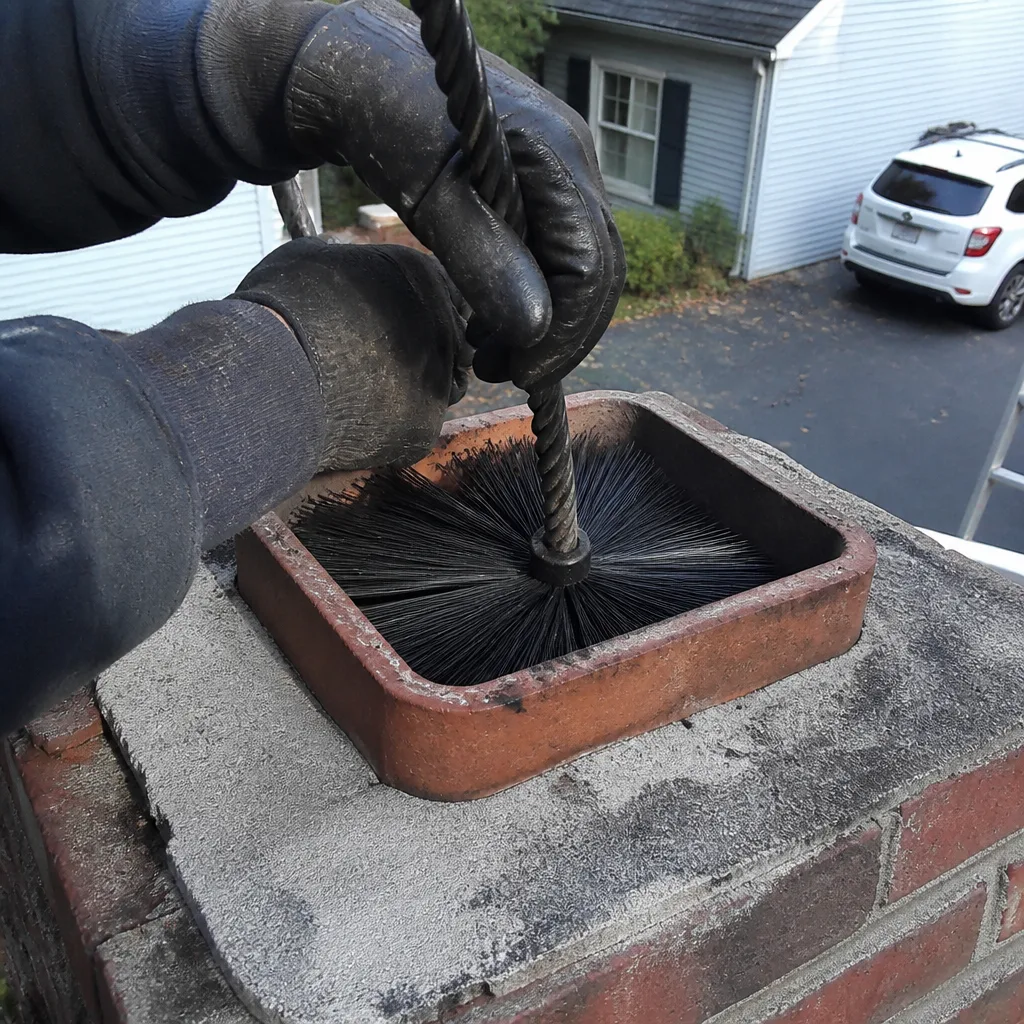
Chimney sweep logs do not sweep chimneys. They loosen some creosote - which then falls where a brush and vacuum still have to collect it.
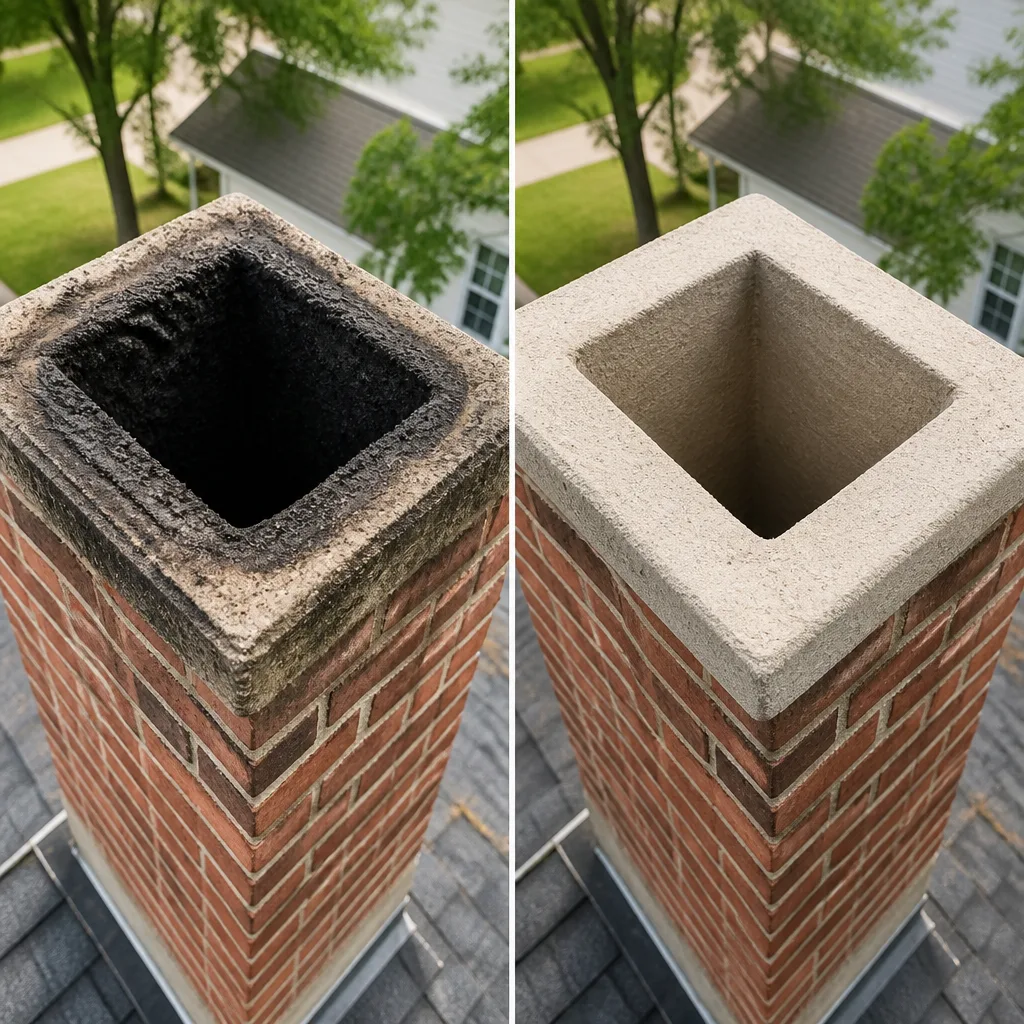
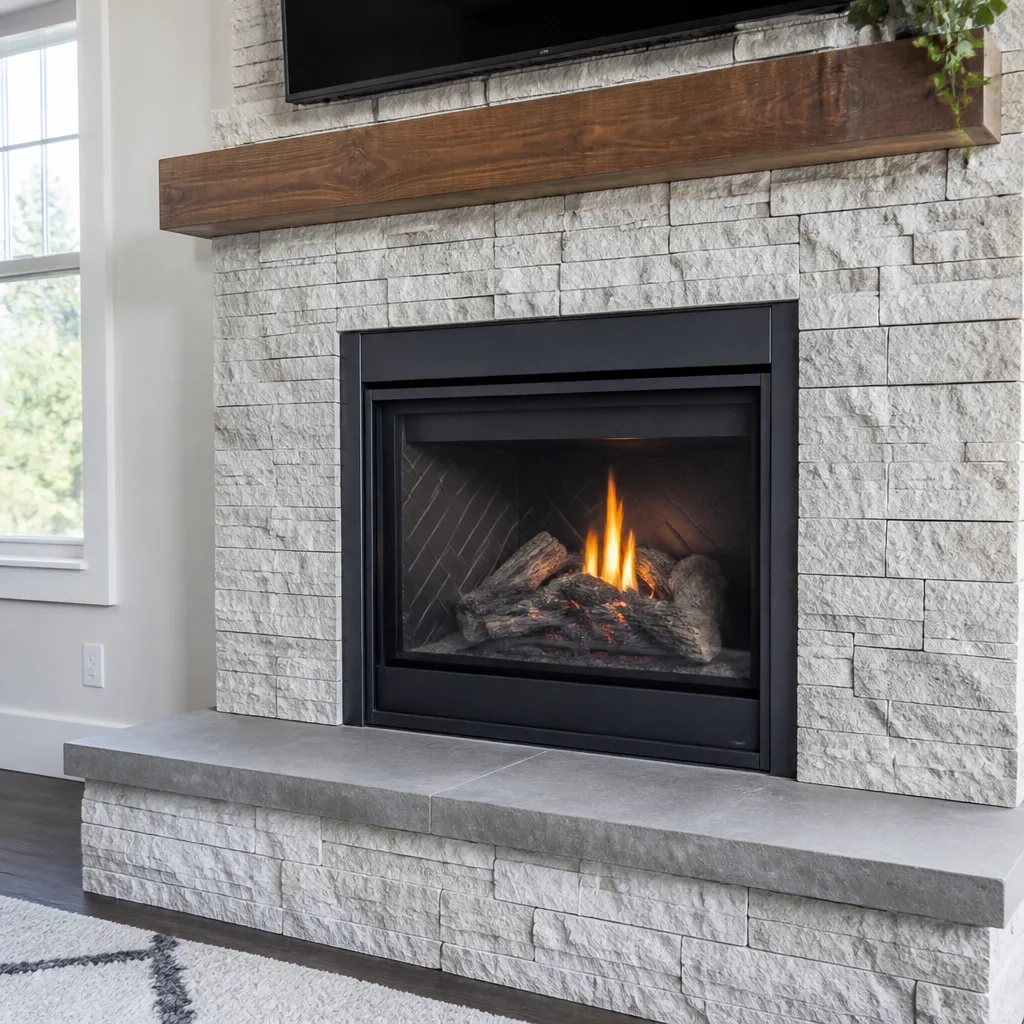
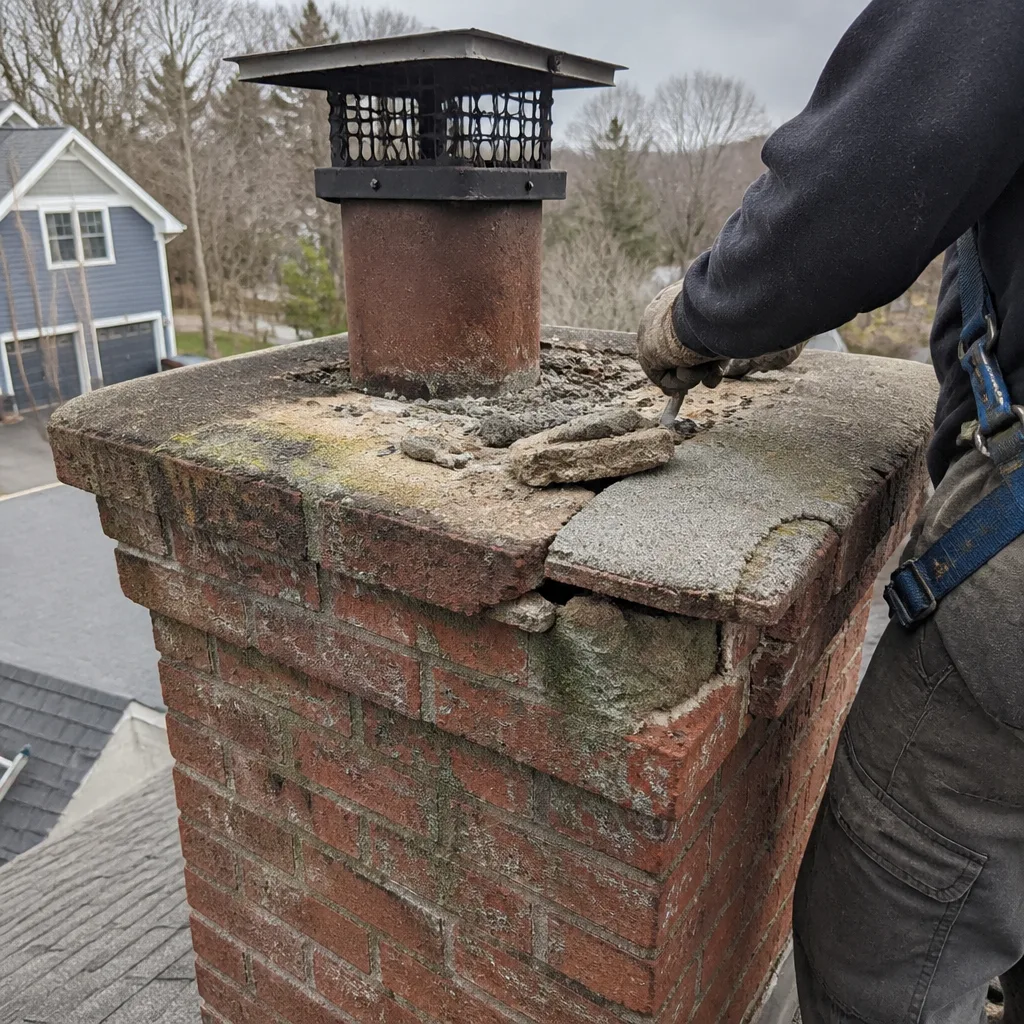 Before
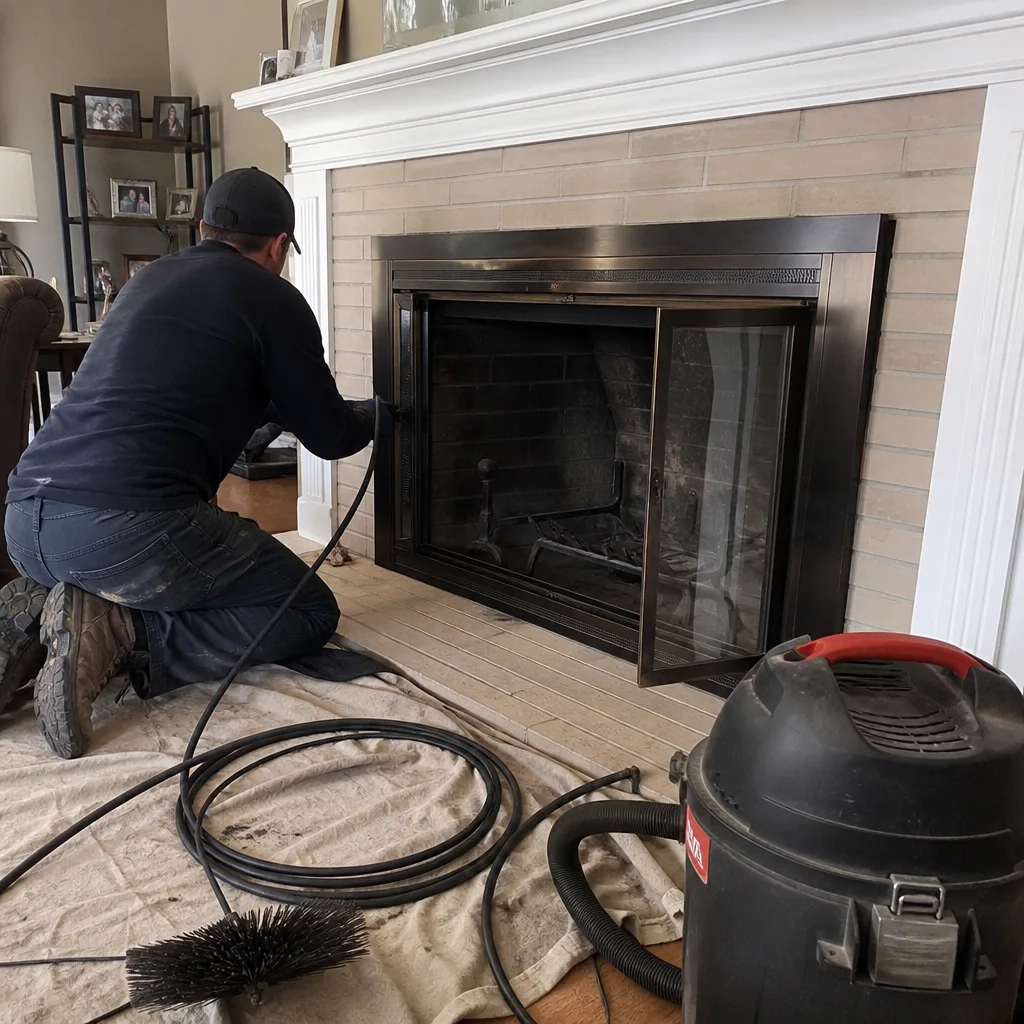 After
After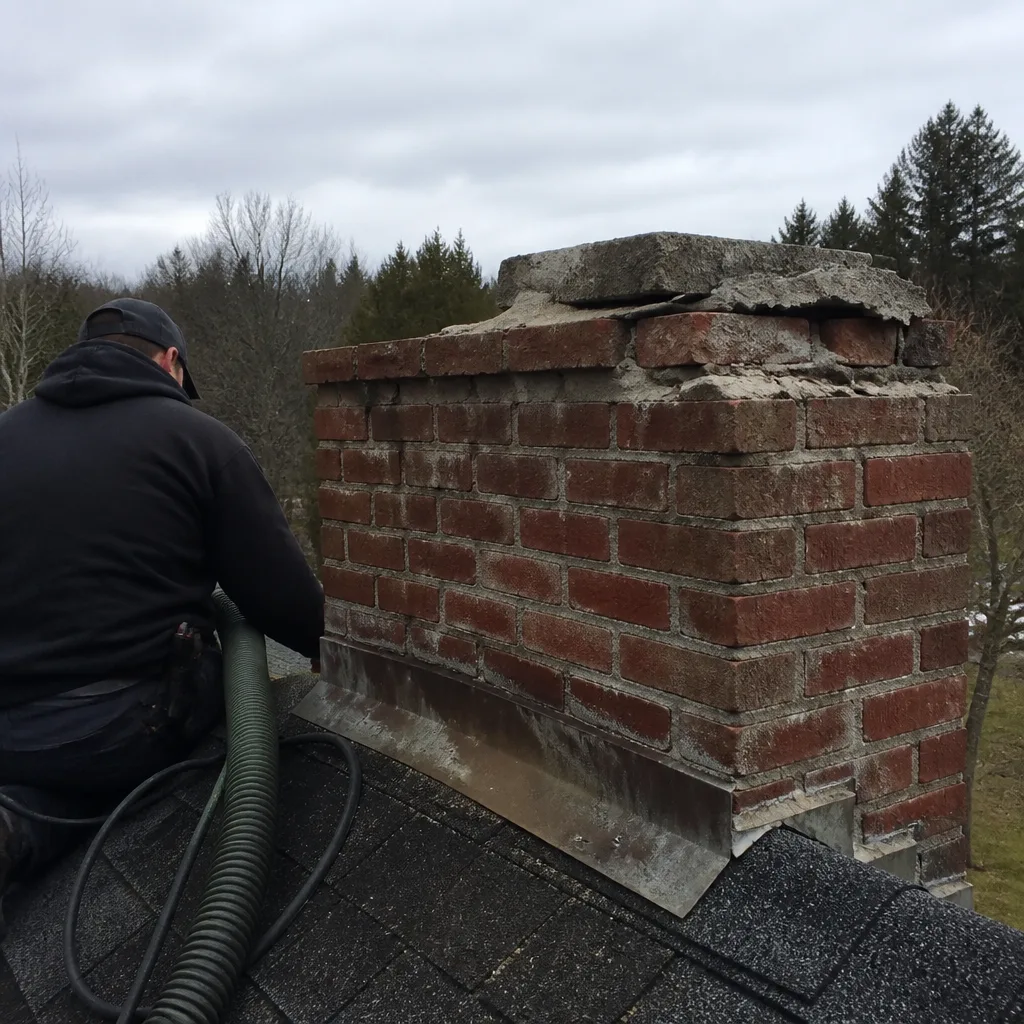 Before
 After
After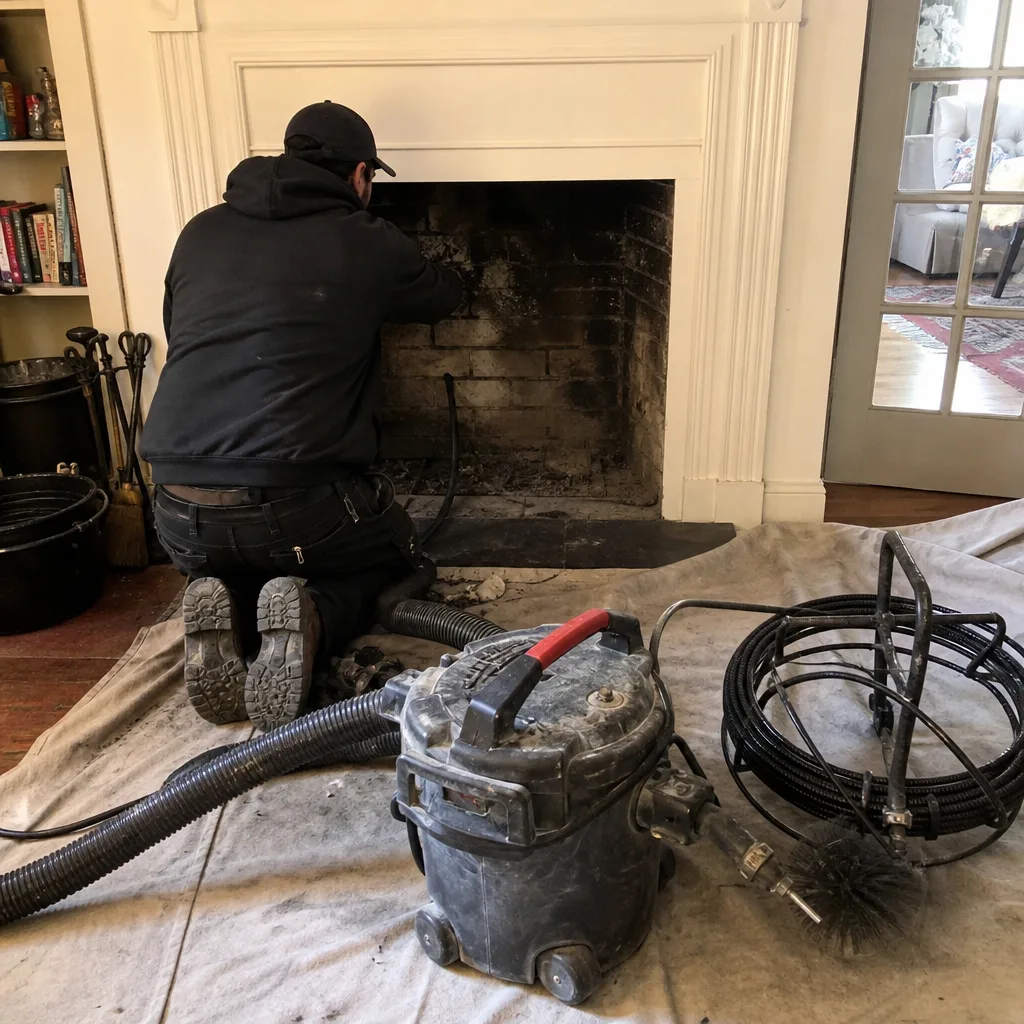 Before
 After
AfterSeasonal Chimney Cleaning Care for Wakefield: Year-Round Homeowner’s Guide
The worst time to discover a cracked flue is October 15th in Wakefield - when every chimney company in Middlesex County has a two-week backlog and the first hard freeze is ten days out. We’ve taken those calls for 16 years. The homeowner is cold, anxious, and facing a repair they can’t verify with their own eyes. Here’s what we’ve learned: chimney care isn’t one annual event. Wakefield’s four-season climate creates four distinct threat windows, and the spring and midsummer checks are what separate the prepared homeowner from the October emergency. This guide assigns a specific task, reason, and observable symptom to each season - so you know exactly what to look for and when to act.
Quick Answer
Seasonal chimney cleaning care in Wakefield means four targeted inspections per year: a spring moisture check after freeze-thaw cycles, a summer animal and cap inspection, a fall Level 2 sweep and camera inspection before first fire, and winter draft monitoring. Most Wakefield homeowners complete only the fall sweep and miss the damage that accumulates during the other three seasons. A typical homeowner following this schedule spends $180-$320 annually on prevention versus $1,200-$4,500 on repairs discovered too late.
Table of Contents
- Spring: The Moisture Damage Window (March-May)
- Summer: Animal Nesting and Cap Inspection (June-August)
- Fall: The Level 2 Sweep and Pre-Burn Inspection (September-October)
- Winter: Draft Performance and Safety Monitoring (November-February)
- What Seasonal Chimney Care Costs in Wakefield
- The Ground-Level Exterior Inspection Homeowners Can Do
- Common Mistakes to Avoid
- When to Call a Professional
- Frequently Asked Questions
- The Bottom Line
 Before
 After
AfterSpring: The Moisture Damage Window (March-May)
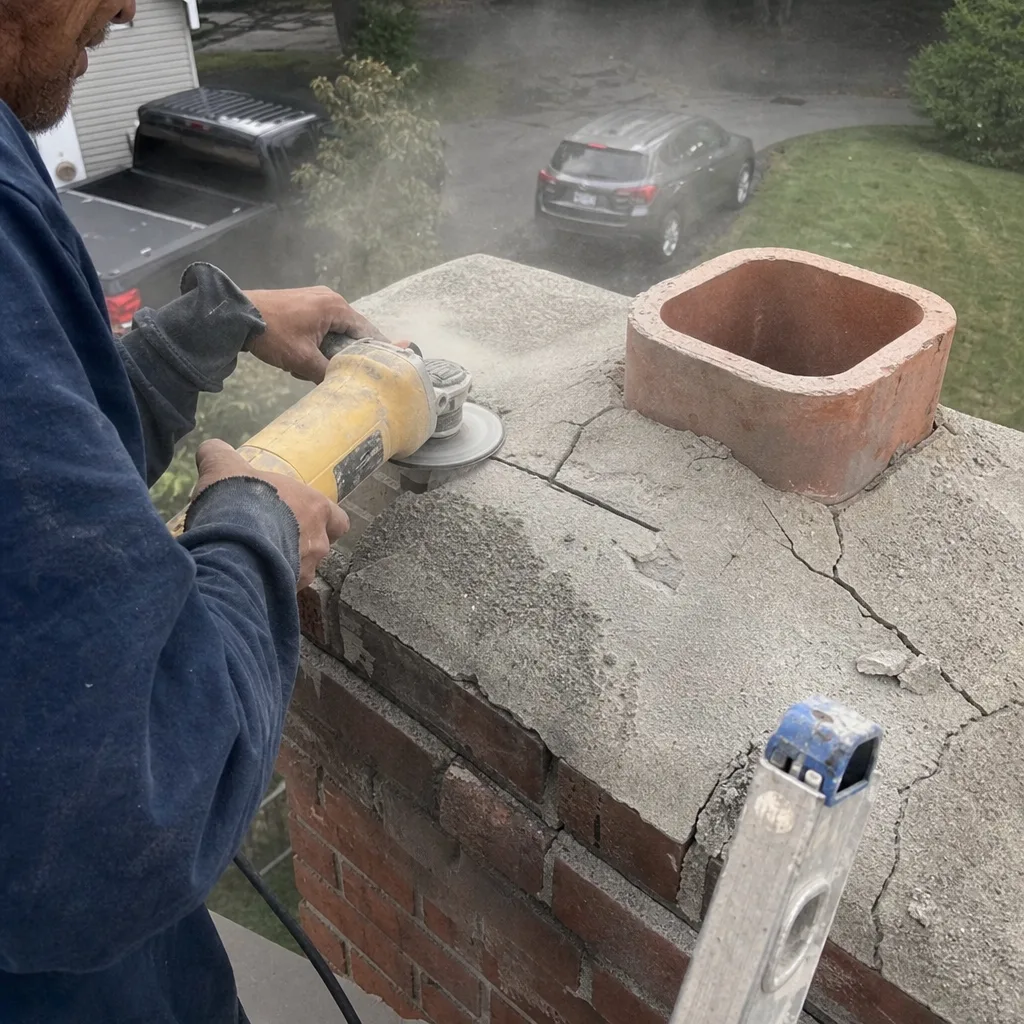
Wakefield’s winter delivers 50-60 inches of snow and temperatures that swing from single digits to the 40s within a week. That freeze-thaw cycle is the leading cause of masonry damage in 01880, and spring is when the evidence becomes visible - if you know where to look.
Here’s what happens: water enters hairline cracks in the crown or mortar joints, freezes overnight, and expands with 2,000 PSI of force. By March, a crack that was invisible in October is now wide enough to admit sustained moisture. In neighborhoods like Montrose and Greenwood, where many homes were built between 1920 and 1960, we’ve seen crowns degrade from minor crazing to full separation in a single winter.
What to check in spring:
- Crown condition: Look for alligatoring (fine surface cracking) or spalling (flaking concrete). A sound crown sheds water; a compromised one funnels it into the flue.
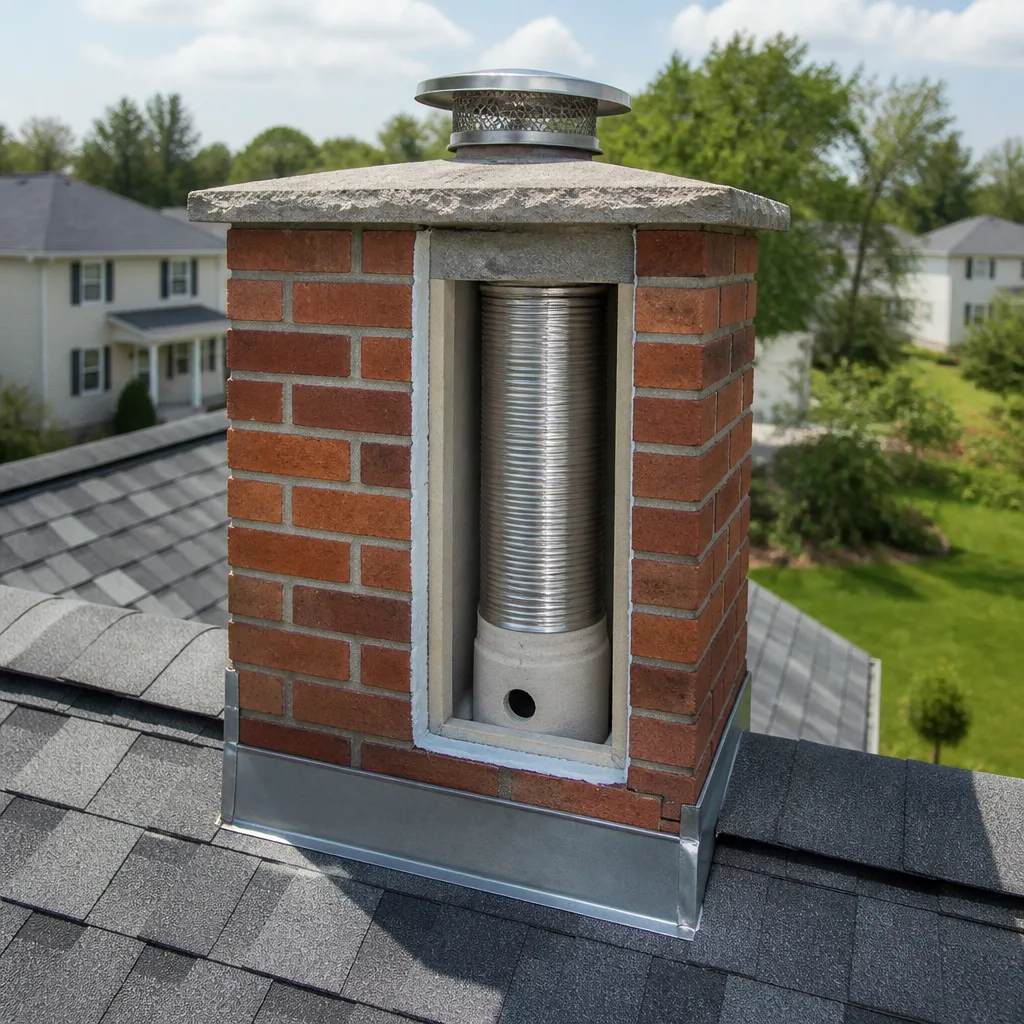
- Flue liner: Schedule a camera inspection if you noticed any draft issues during winter burning. Moisture accelerates clay liner deterioration, and a cracked liner is a carbon monoxide pathway into living space.
- Smoke chamber: The area above the damper and below the flue collects acidic condensation all winter. Spring is the ideal time to evaluate parging (the smooth mortar coating) for gaps or erosion.
- Exterior masonry: Walk the perimeter and note any white efflorescence (salt deposits from moisture migration) or missing mortar.
Spring scheduling in Wakefield has a practical advantage: our calendar opens up after the winter rush, and you’ll have time to complete any crown sealing or repointing before the summer humidity complicates curing. We typically book crown repairs in April and May with two-week turnaround, versus six to eight weeks in October.
The spring check also addresses a problem most homeowners don’t anticipate: animal intrusion from the previous fall that went undetected. A raccoon or squirrel that established residence in January may have left nesting material that restricts draft and creates a fire hazard. We remove this material during spring service and document the flue condition with camera footage under Haven Standard Clause 4.
Summer: Animal Nesting and Cap Inspection (June-August)
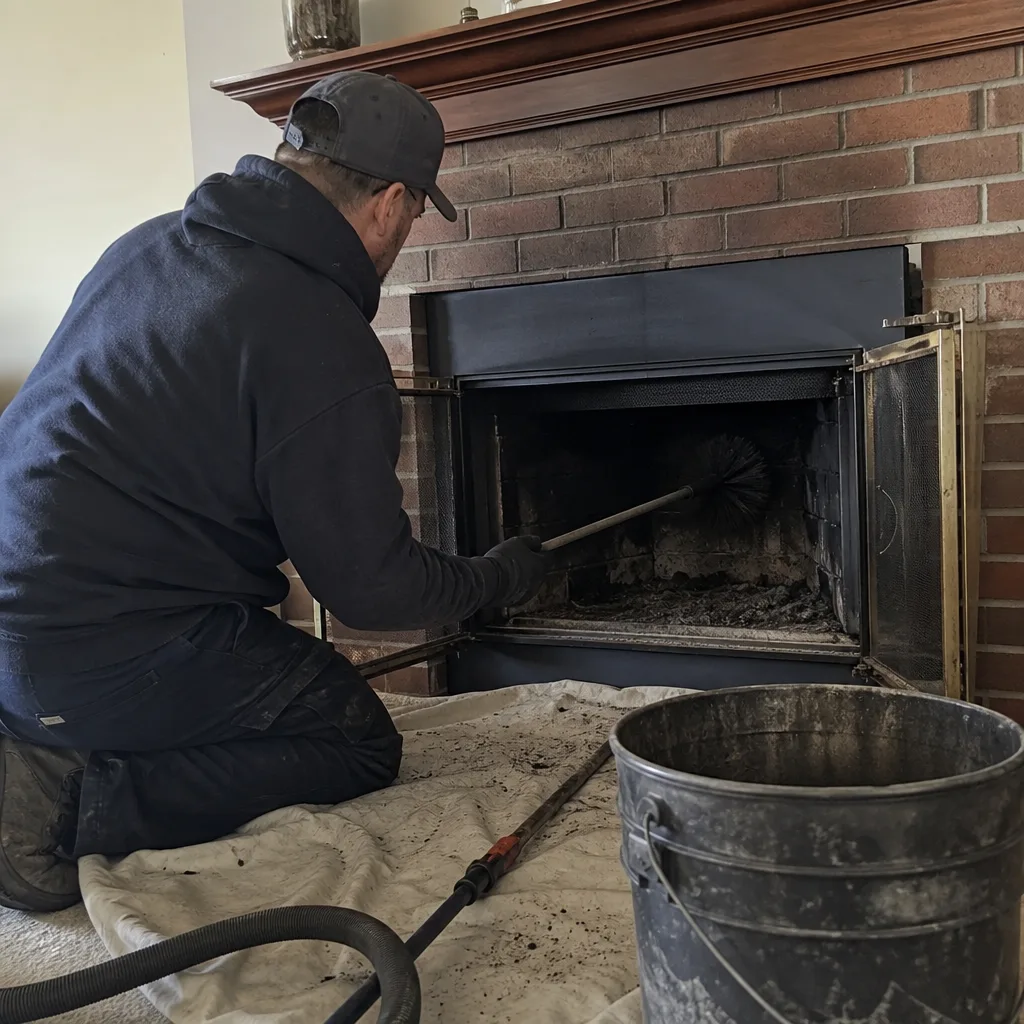
June through August is nesting season for chimney swifts, and in Wakefield’s wooded sections - particularly near Lake Quannapowitt and the Breakheart Reservation corridor - these federally protected birds routinely select uncapped flues. The Migratory Bird Treaty Act prohibits disturbing active nests, which means if swifts occupy your chimney in June, you cannot legally schedule a cleaning or inspection until the young have fledged, typically mid-August.
This legal constraint makes July the critical inspection window: identify the problem before swifts arrive, not after you’re locked out of your own chimney for six to eight weeks.
Summer inspection priorities:
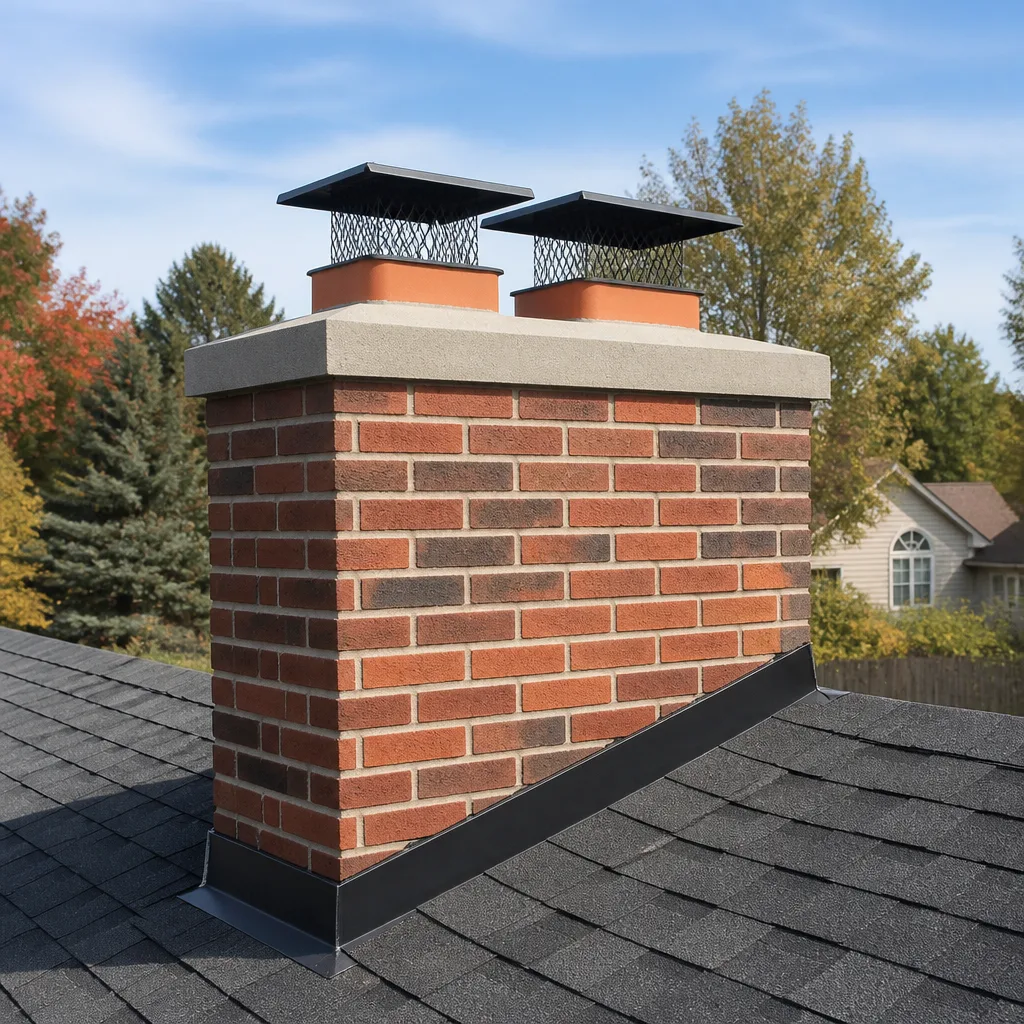
- Cap and screen condition: A proper cap with 3/4-inch mesh keeps swifts, raccoons, and squirrels out while allowing smoke and gases to vent. We replace caps with rusted mesh, missing fasteners, or improper clearance from the flue tile.
- Crown and flashing: Summer thunderstorms test every seal. Check for new leaks around the chimney breast or water stains on the ceiling below the firebox.
- Interior odor evaluation: A chimney that smells like a barn in humid weather usually indicates accumulated creosote reacting with moisture, or deceased animals. Both require professional cleaning before fall burning.
- Damper operation: Test for corrosion or warping that developed during winter use. A stuck damper is a safety issue you don’t want to discover on the first cold night.
In our experience across Wakefield’s neighborhoods, homes without caps in the Lakewood Estates and Horace Mann areas have a 60-70% likelihood of animal intrusion within three years. The cap installation is typically $280-$450 - a predictable expense that prevents the unpredictable cost of nest removal, liner damage from urine corrosion, or the structural fire risk of dried nesting material.
Summer is also when we recommend the ground-level exterior inspection (detailed below). You don’t need a ladder to spot crown damage, missing flashing, or deteriorated mortar from the sidewalk.
Fall: The Level 2 Sweep and Pre-Burn Inspection (September-October)
September 15th is the date we circle internally at Level Two Chimney Wakefield. It’s the last week you can book a Level 2 inspection with confidence of completion before the first sustained burn. By October 1st, our schedule typically extends three weeks; by October 15th, five to six weeks is standard across Middlesex County.
A Level 2 inspection, defined by NFPA 211, includes a camera scan of the entire flue liner, evaluation of the smoke chamber and firebox, and inspection of accessible exterior components. This is not a flashlight look from the hearth. We document every finding with dated photos, and under Clause 4 of the Haven Standard, that photo record is included as standard - not sold as an upgrade.
What a fall Level 2 sweep addresses:
- Creosote classification: Stage 1 (soot) brushes clean easily. Stage 2 (granular) requires rotary equipment. Stage 3 (glazed, tar-like) is a chimney fire waiting to happen and cannot be removed with standard sweeping. We classify what we find and show you the camera evidence.
- Liner integrity: Clay tile liners crack from thermal shock or settle with foundation movement common in Wakefield’s older homes. A cracked liner requires repair or replacement before any burning. We source replacement liners from DuraFlex and Olympia Chimney through our Haven buying network.
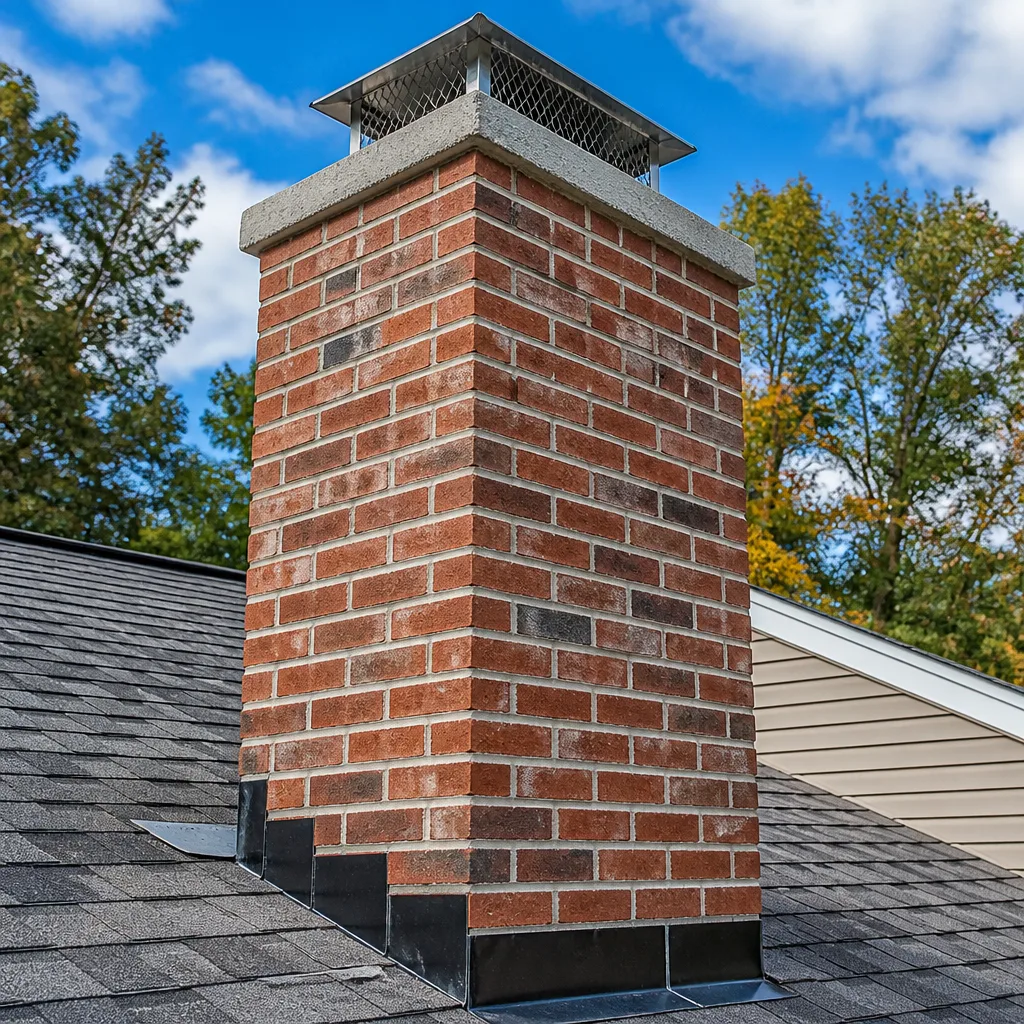
- Crown and flashing: Any spring or summer damage is documented before winter weather makes repairs difficult.
- Clearance to combustibles: Especially relevant in Wakefield’s Victorian and Cape-style homes where original construction may not meet current NFPA standards.
The fall appointment is also when we deliver written pricing for any recommended work - before anyone starts, under Haven Standard Clause 1. If a competitor has already provided an estimate, we offer a free second opinion with our own camera documentation.
What gets missed in a rushed October sweep? The homeowner who waits until the last minute often declines the camera inspection due to time pressure, accepts a verbal “looks fine” assessment, and burns all winter on a compromised liner. We’ve documented cracked liners in Wakefield homes where the previous sweep was “just a quick cleaning” six months prior.
Winter: Draft Performance and Safety Monitoring (November-February)
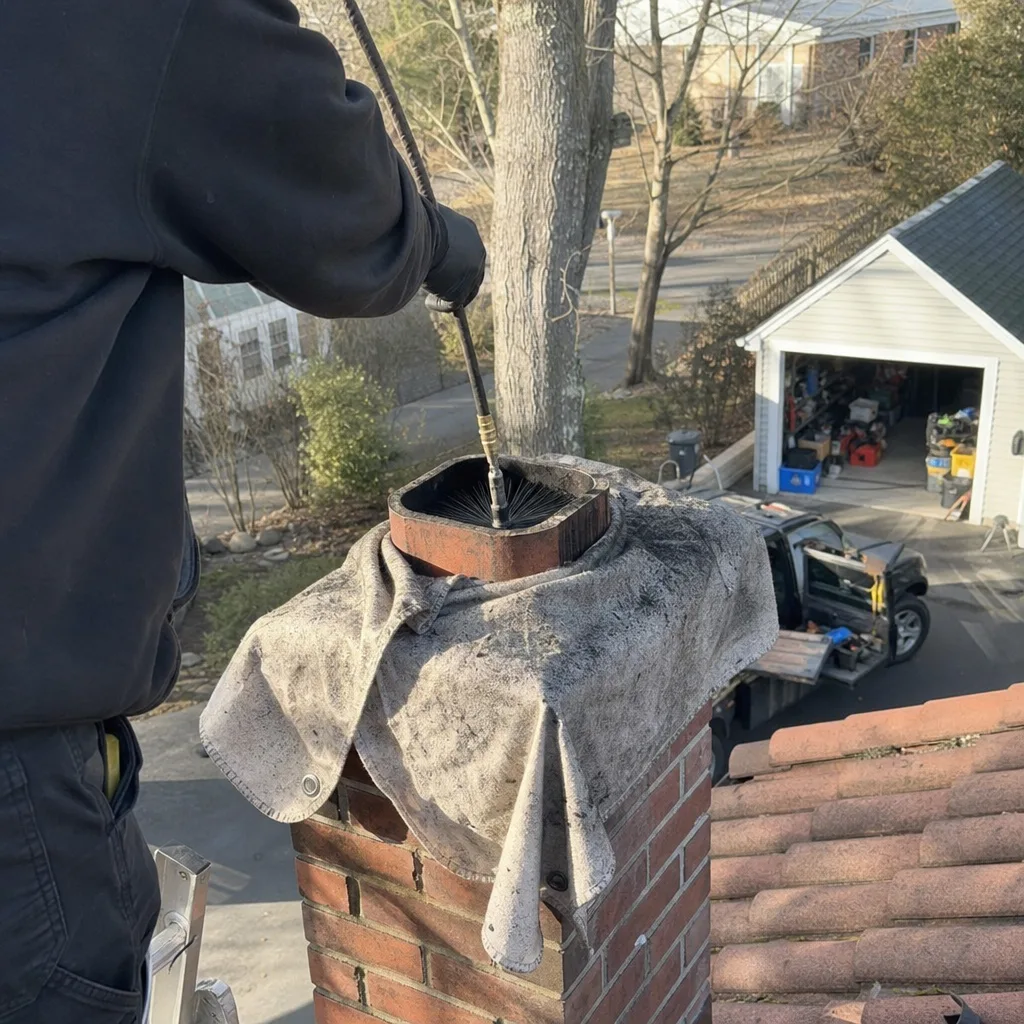
Once burning season begins, your chimney becomes a dynamic system under stress. Winter monitoring isn’t about cleaning - it’s about recognizing when the system is failing in real time.
Observable symptoms that require immediate professional evaluation:
- Smoke rollout at startup: If smoke enters the room when you first light the fire, the flue may be partially obstructed by creosote buildup, animal nesting, or thermal inversion common on Wakefield’s coldest, still mornings.
- Water dripping in the firebox: Indicates crown failure, flashing separation, or condensation from an improperly sized liner. All three worsen with continued burning.
- Downdraft on windy days: Wakefield’s exposure to northwest winter winds can overwhelm a chimney with inadequate height or poor termination design. A venting analysis determines whether a chimney cap with wind directional features or height extension is needed.
- Unusual odors: A sharp, acrid smell during burning suggests creosote ignition (chimney fire) has begun and self-extinguished. This causes liner damage even when no 911 call is made.
- Carbon monoxide detector activation: Any alarm requires immediate cessation of burning and professional inspection. Do not assume a false alarm.
Winter is not the season for major repairs in Wakefield. Masonry work requires temperatures above 40°F for proper curing, and crown sealing compounds have similar constraints. What we can do in winter: evaluate the problem, document it with camera and photo record, and schedule the repair for the first viable spring date - with a written price locked in under the 365-Day Done Right Promise.
For pellet stove and gas insert users, winter maintenance is equally critical. These appliances produce corrosive condensation that degrades liners faster than wood burning in some configurations. We inspect these systems with the same camera documentation standard.
What Seasonal Chimney Care Costs in Wakefield
Here’s what Wakefield homeowners can expect to spend for prevention versus repair, based on our 38,000+ jobs since 2009:
| Service | Typical Range | When Needed |
|---|---|---|
| Level 2 inspection with camera scan | $220-$320 | Fall, before first fire |
| Chimney sweep (cleaning only, with inspection) | $180-$260 | Fall, if no major issues found |
| Crown sealing or minor repair | $350-$650 | Spring, after freeze-thaw damage |
| Cap installation (stainless steel) | $280-$450 | Summer, before nesting season |
| Flue liner repair (HeatShield application) | $1,200-$2,800 | When camera reveals cracks |
| Full liner replacement (stainless steel) | $2,500-$4,500 | When liner is degraded beyond repair |
| Repointing (tuckpointing) - typical chimney | $800-$2,200 | When mortar joints exceed 3/8″ depth loss |
These are the price ranges we deliver in writing before work starts - Haven Standard Clause 1. No exceptions. The prevention schedule (annual inspection, periodic sweep, cap installation) typically totals $400-$600 across the first two years, then $220-$320 annually for inspection with sweep as needed. Compare that to the $1,200-$4,500 range for liner or masonry repairs that advanced undetected. For a detailed look at pricing factors, see our Chimney Cleaning Cost Breakdown: The Wakefield Homeowner’s Reference for 2026.
We source liner materials from DuraFlex, HeatShield, and Olympia Chimney through the Haven buying network specifically to keep customer prices honest. You’re not subsidizing franchise overhead or national advertising.
The Ground-Level Exterior Inspection Homeowners Can Do
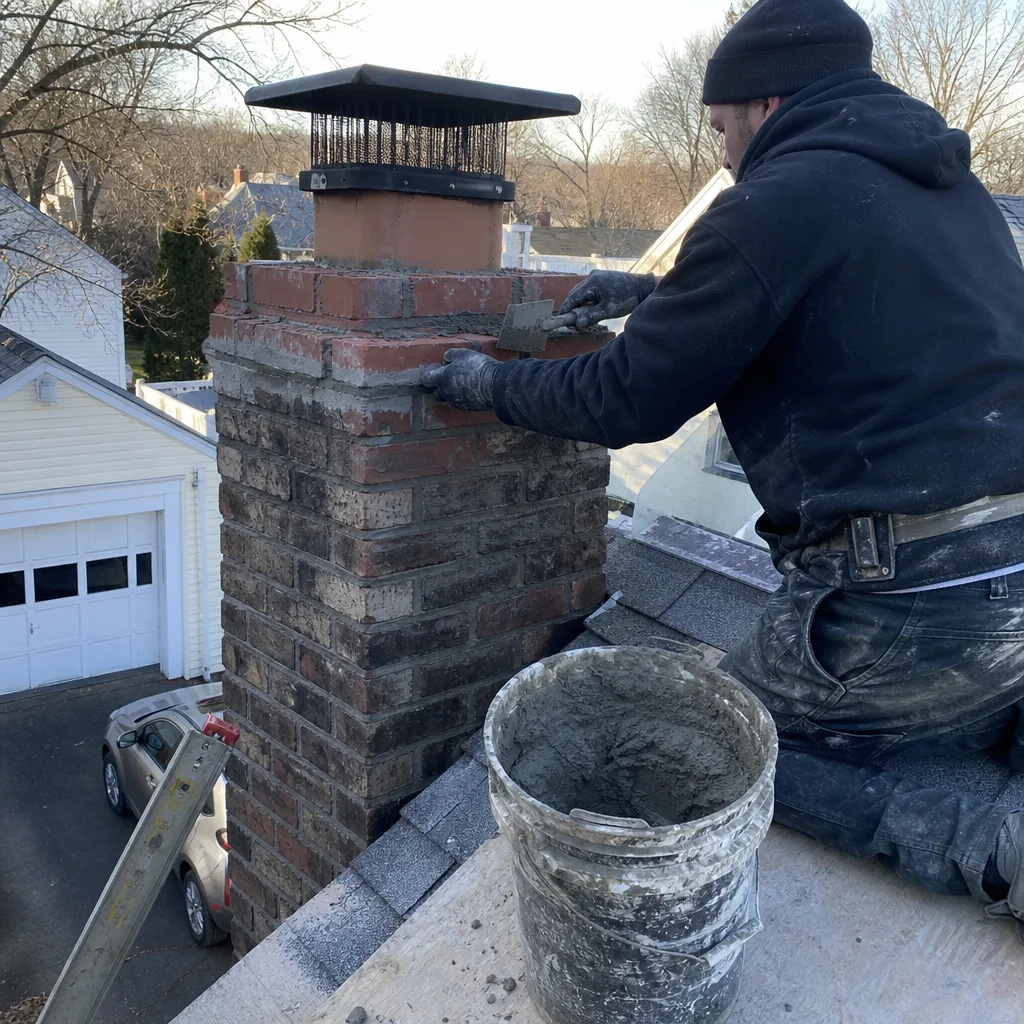
You don’t need a ladder or special equipment to spot most chimney problems from the ground. We recommend this 10-minute inspection twice yearly: late May and late August.
What you’ll need: Binoculars (8x magnification is sufficient), a notebook, and a reference photo from a previous year if available.
- Position yourself across the street at a sight line that shows the chimney crown and upper flue tiles. In Wakefield’s denser neighborhoods like Downtown and West Side, this usually means standing on the opposite sidewalk.
- Examine the crown: Look for cracks wider than a dime, areas where the concrete has flaked away (spalling), or pooling that indicates improper slope. A sound crown is slightly domed and overhangs the brick by at least 2 inches.
- Check the cap: Verify it’s present, properly seated, and the mesh is intact. Missing caps are obvious; rusted-through mesh may require closer inspection.
- Scan the flashing: The metal where chimney meets roof should lie flat with no lifted edges or visible gaps. Wakefield’s ice dam winters frequently separate flashing from masonry.
- Review mortar joints: Look for joints eroded to finger-depth or deeper, or any brick face that has begun to flake. In Montrose and the older sections of North Avenue, we’ve seen joints recede 1/2 inch in five years of neglected maintenance.
- Note any vegetation: Ivy or other climbing plants trap moisture and accelerate mortar decay. Their presence on a chimney is a red flag, not a charming feature.
Document what you see with dated notes. When you schedule your fall Level 2 inspection, share these observations. They help us prioritize the camera scan focus and can confirm whether exterior changes you noticed have progressed to interior damage.
What this inspection cannot do: evaluate the flue liner, smoke chamber, or damper condition. Those require the camera scan that is standard on every Level Two Chimney Wakefield visit.
Common Mistakes to Avoid
- Booking the October 15th “just in time” sweep. By mid-October in Wakefield, every reputable sweep is booked two to three weeks out. The homeowner who waits accepts either a rushed job from an available provider or burns unswept while waiting. We recommend September booking for completion by October 1.
- Accepting a sweep without camera documentation. A flashlight look from the hearth evaluates perhaps 15% of the flue. The remaining 85% - where cracks, gaps, and creosote accumulation are most dangerous - requires a camera. Haven Standard Clause 4 mandates this documentation; any sweep that treats it as optional is not completing the inspection.
- Ignoring spring moisture signs. That water stain on the ceiling near the chimney breast in April doesn’t resolve itself. By November, the same leak has degraded insulation, framing, and possibly the liner support system. Spring repairs cost less because they’re smaller.
- Installing a DIY cap from a hardware store. Generic caps often lack proper mesh sizing, adequate clearance from flue tiles, or secure mounting for Wakefield’s wind exposure. An improperly installed cap can detach, block the flue, or admit animals despite being present.
- Assuming gas fireplaces need no inspection. Gas appliances produce corrosive condensation and can develop burner debris, venting obstructions, or control valve issues. The NFPA recommends annual inspection for all fuel types.
- Burning with a known cracked liner. We’ve heard homeowners say they’ll “just be careful” or burn less. A cracked liner is a carbon monoxide and structural fire risk at any burn level. There is no safe workaround.
- Skipping the summer check because “nothing happens in summer.” This is when animals establish residence, caps fail in storms, and odor problems develop in humid conditions. The summer inspection prevents the fall surprise.
When to Call a Professional
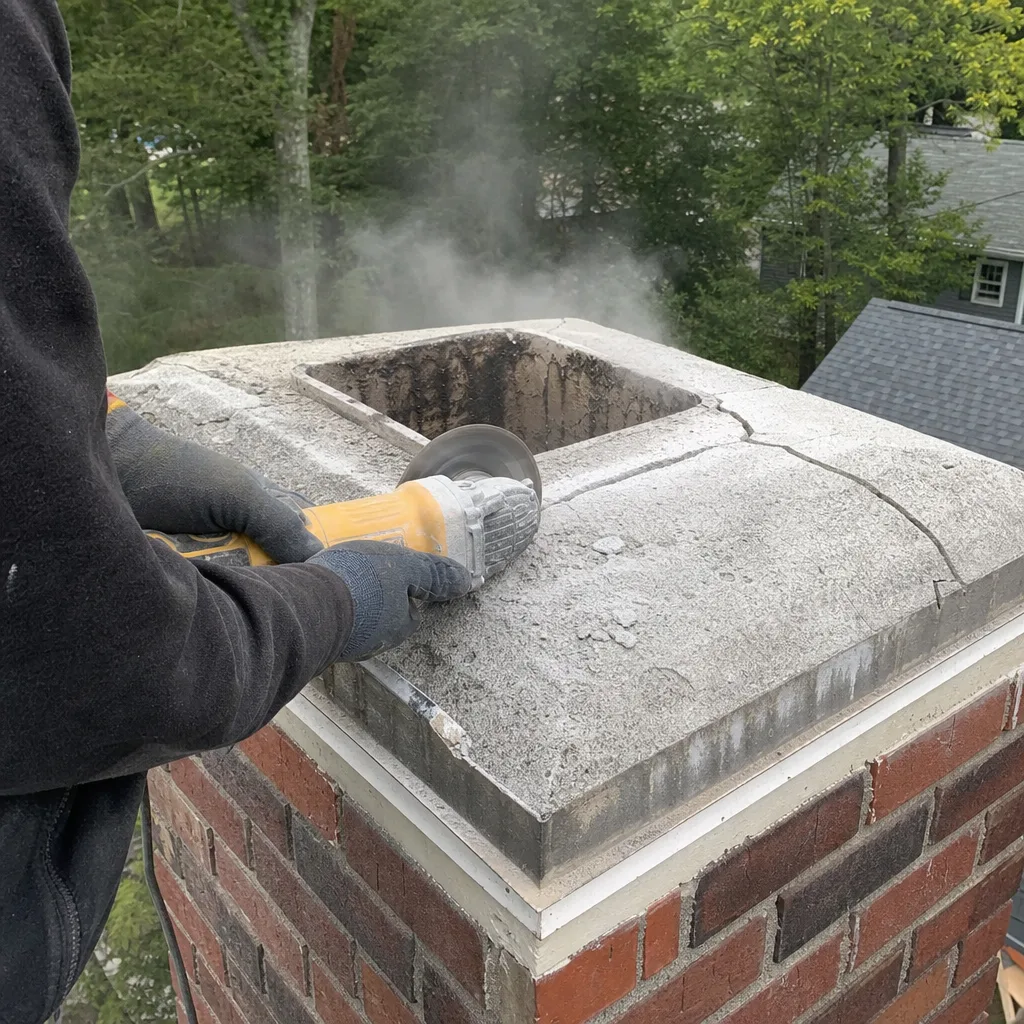
Call for a Level 2 inspection if you observe any of the following: smoke entering the room during operation, water in the firebox, a carbon monoxide detector alarm, visible exterior damage from ground level, or any unusual odor during or after burning. These symptoms indicate active system failure, not maintenance scheduling flexibility.
Also call if your chimney has not received a camera-inspected evaluation in the past 12 months, regardless of apparent performance. Creosote accumulation and liner degradation are not always symptomatic until they become dangerous.
Chimney Cleaning & Sweep in Wakefield from Level Two Chimney Wakefield includes the NFPA 211 Level 2 camera scan, written price before work starts, and documented photo record on every visit. We offer free estimates and free second opinions on any competitor’s written quote. Call (978) 861-1012 to schedule. Live phone support is available 24 hours a day, 7 days a week - you’ll speak with a person, not a voicemail system.
Frequently Asked Questions
A Level 2 chimney inspection with sweep in Wakefield typically costs $180-$320, depending on flue accessibility, creosote classification, and whether the system is wood-burning, gas, or pellet. This includes the camera scan, photo documentation, and written report. Call (978) 861-1012 for an exact quote - estimates are free.
NFPA 211 recommends annual inspection for all chimney systems, with sweeping frequency determined by creosote accumulation. Most Wakefield homeowners who burn wood 2-3 times weekly require annual sweeping. Gas and pellet systems need annual inspection; sweeping is performed if debris or corrosion is found. The four-season schedule in this guide ensures nothing is missed between formal service visits.
You need a new liner when camera inspection reveals cracks, gaps, or degradation that compromise containment of heat and combustion gases. We show you the camera footage and explain the finding in plain terms. If the damage is minor and localized, HeatShield cerfractory foam repair may be an option. If the liner is extensively degraded, replacement with a stainless steel system from DuraFlex or Olympia Chimney is the only safe path. Nothing is recommended without photo evidence you can see yourself.
Skipped maintenance leads to creosote accumulation (chimney fire risk), moisture intrusion (masonry and liner degradation), and undetected venting failures (carbon monoxide exposure). In Wakefield’s climate, the freeze-thaw cycle accelerates every form of damage. The homeowner who skips three years of inspection typically faces repair costs 4-6 times higher than the prevention investment. Call (978) 861-1012 to get back on schedule - we’ll evaluate current condition without judgment.
Chimney swifts are protected under the federal Migratory Bird Treaty Act. Once active nesting begins, typically mid-June through mid-August in Wakefield, the nest cannot be disturbed without federal permit. We cannot legally remove it, and you cannot burn in that flue. Prevention - a properly meshed cap installed before June - is the only reliable solution. If swifts have already occupied your chimney, we schedule service for late August after fledging.
A Level 1 inspection is a visual evaluation of readily accessible components - what can be seen from the hearth and roof. A Level 2 inspection, required for property transactions, after chimney fire or seismic event, or when any change to the system is made, includes a camera scan of the entire flue interior, attic and crawl space evaluation of clearances, and inspection with specialized tools. For details on permits and legal requirements, read our guide to Chimney Cleaning Permits, Codes & Inspections in MA: What You Need to Know. At Level Two Chimney Wakefield, we perform Level 2 as our default because it is the only inspection that documents what the homeowner cannot see. This practice became Clause 4 of the Haven Standard in 2009.
The Bottom Line
Wakefield’s four-season climate demands four-season chimney attention. The spring moisture check prevents the crown failure that becomes a winter leak. The summer cap inspection keeps you legal and animal-free. The fall Level 2 sweep with camera documentation is your verified clean bill of health before burning. Winter monitoring catches the exception before it becomes an emergency. Spread across the year, this schedule costs less than a single neglected repair and eliminates the October 15th panic call. The homeowners who follow it sleep warm and certain - not anxious and waiting. Explore more guides & resources to keep your chimney safe year-round.
Chimney Repair in Wakefield and Fireplace Services in Wakefield are available year-round from Level Two Chimney Wakefield. Every job is quoted in writing before work begins, backed by the 365-Day Done Right Promise, and documented with a photo record you’ll have for your insurance file and your own reference.
Call (978) 861-1012 for a free estimate. Live phone support, 24 hours a day, 7 days a week.
Written by Corrine Halstead, Owner at Level Two Chimney Wakefield, serving Wakefield since 2009.