
Last updated September 22, 2026
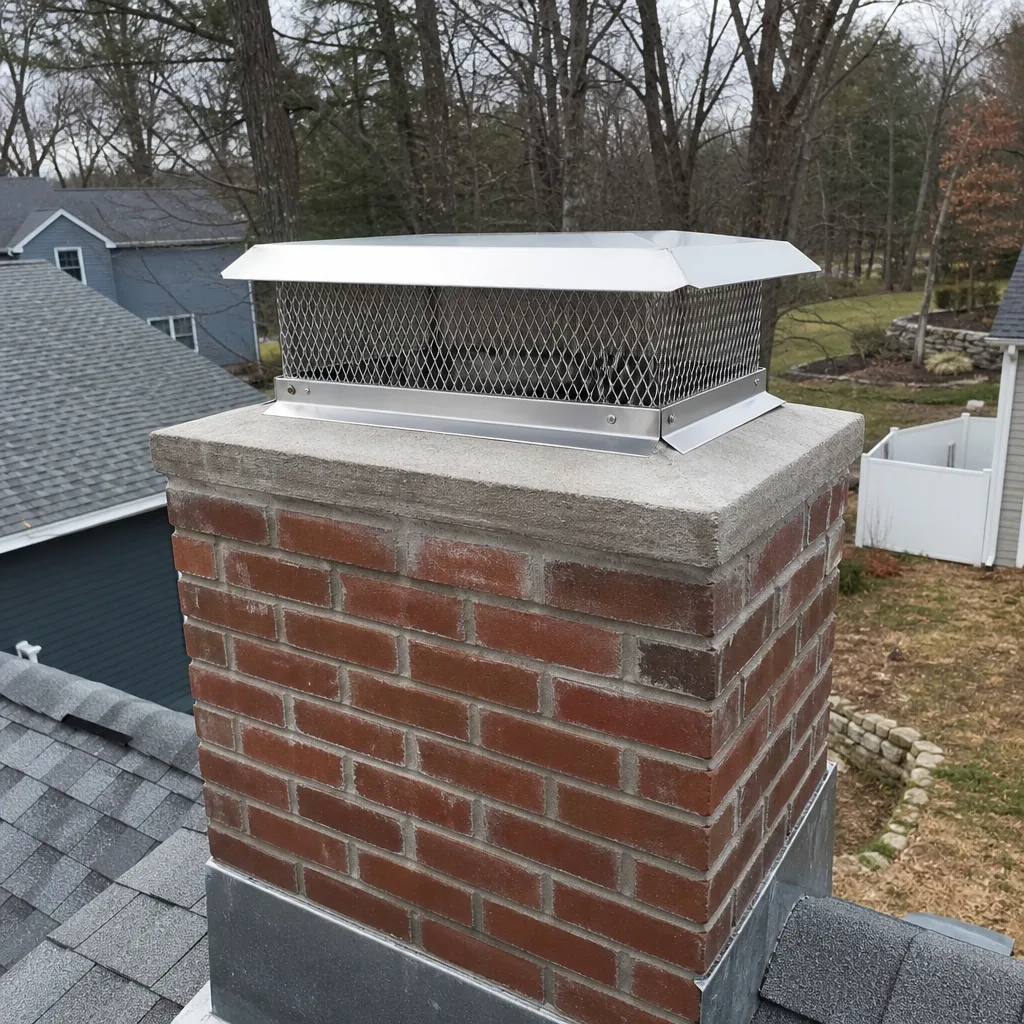
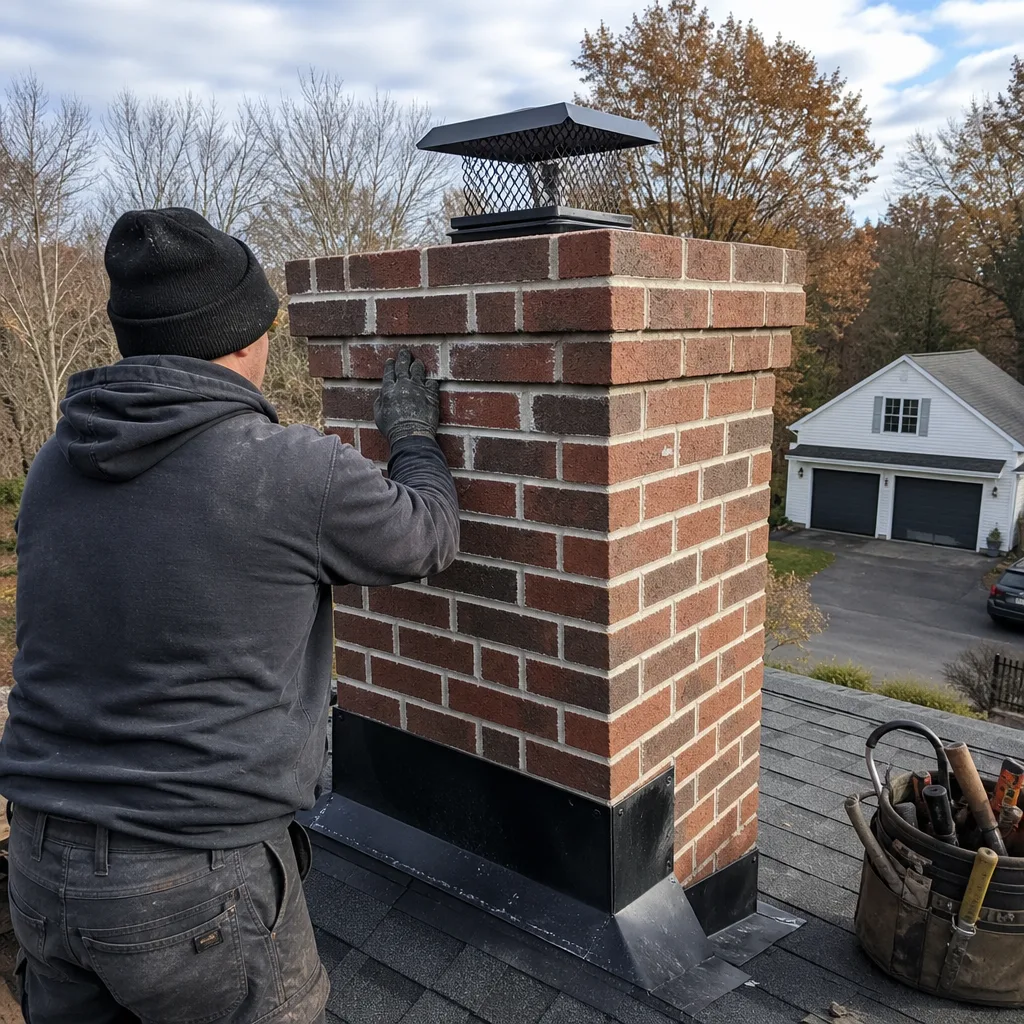
Level 1 sweep and inspection to the NFPA 211 annual standard - flue, crown, cap, and flashing checked and photographed
Chimney sweep logs do not sweep chimneys. They loosen some creosote - which then falls where a brush and vacuum still have to collect it.
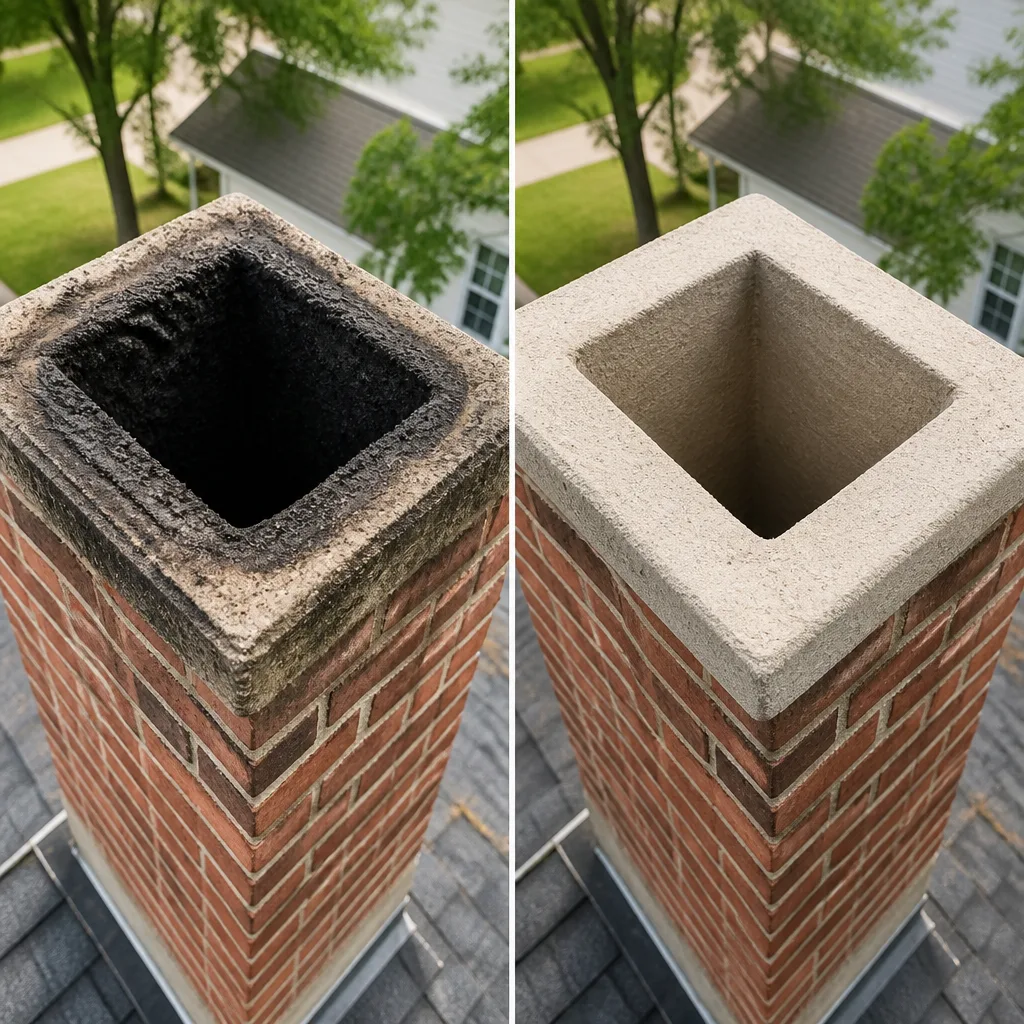
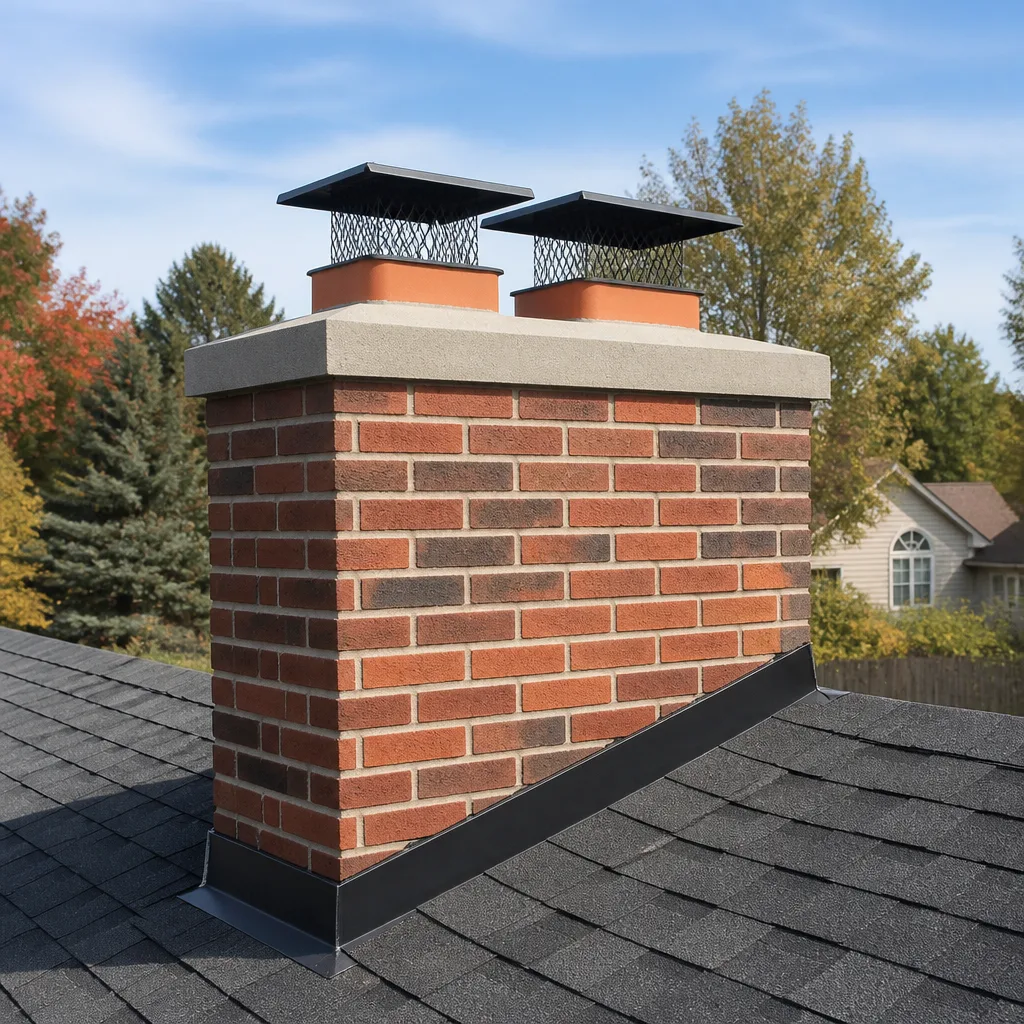
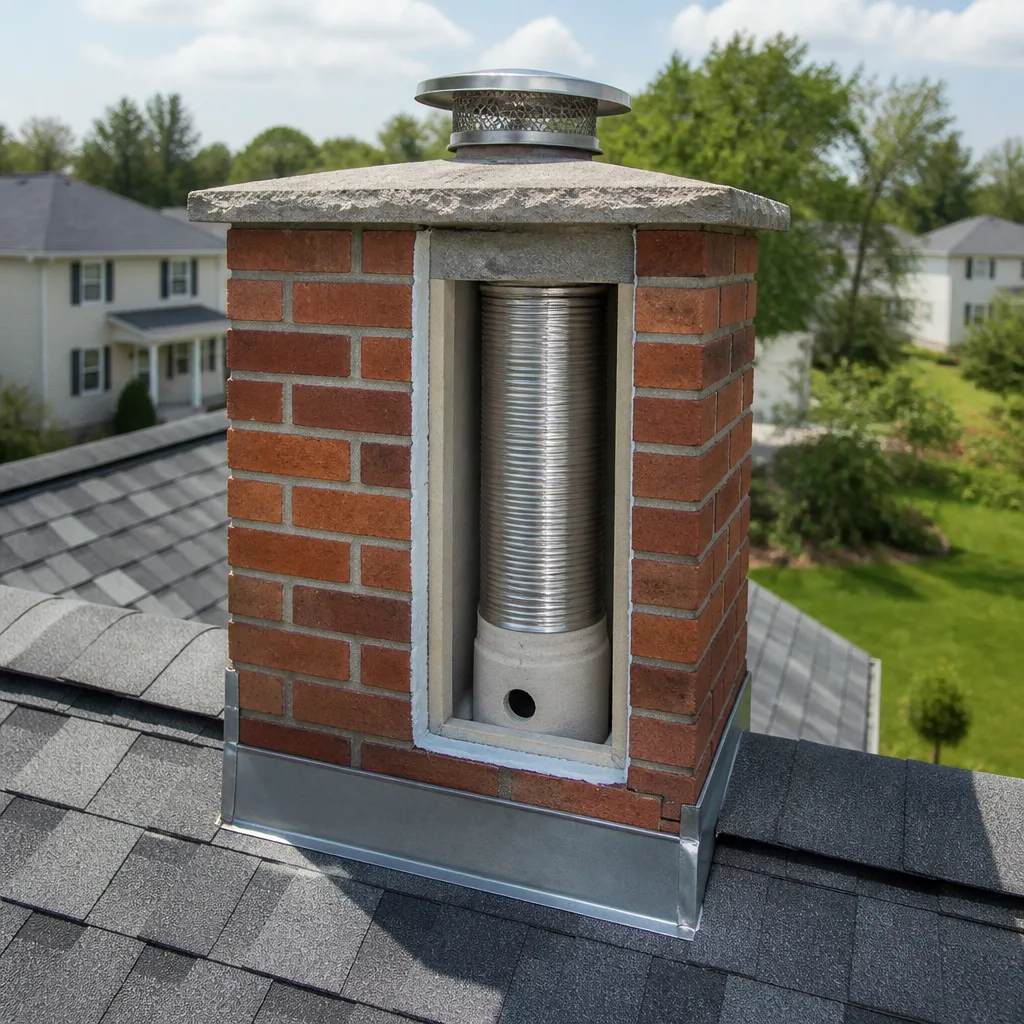
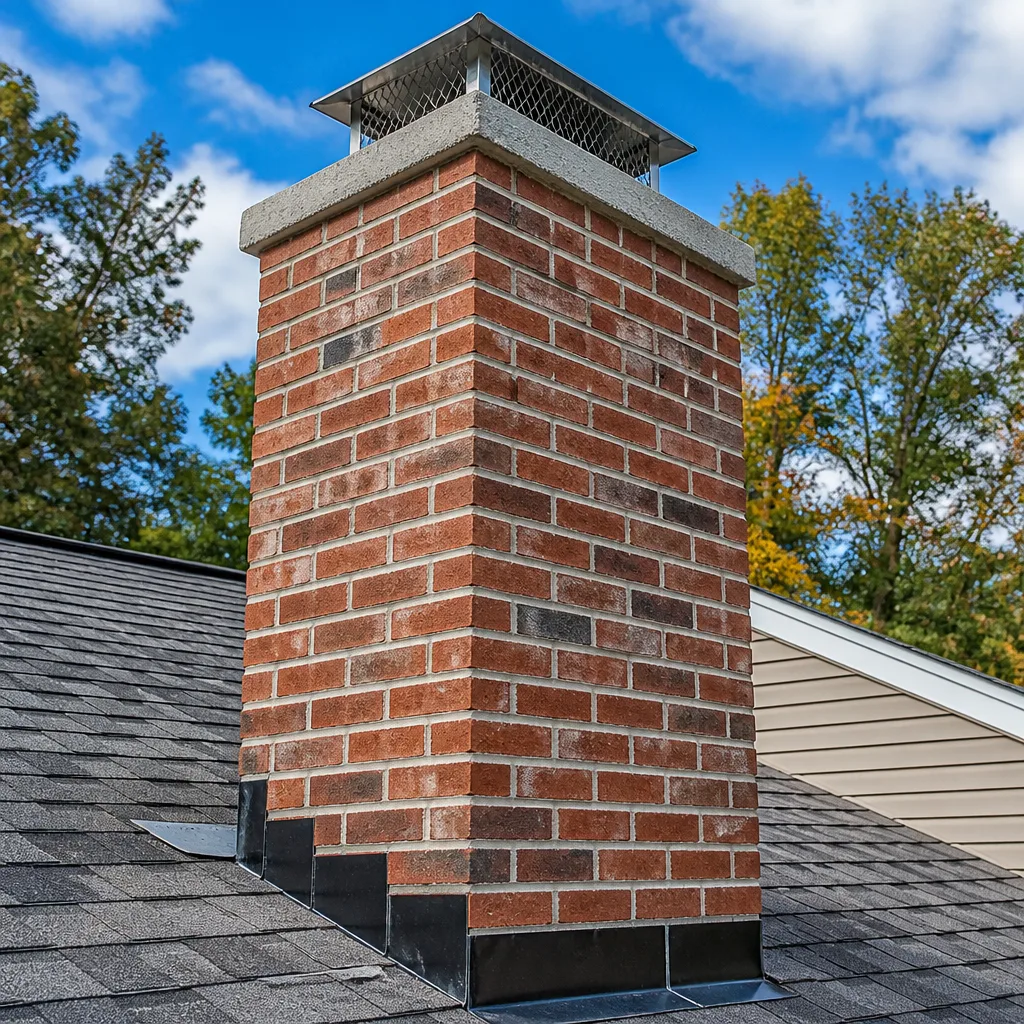
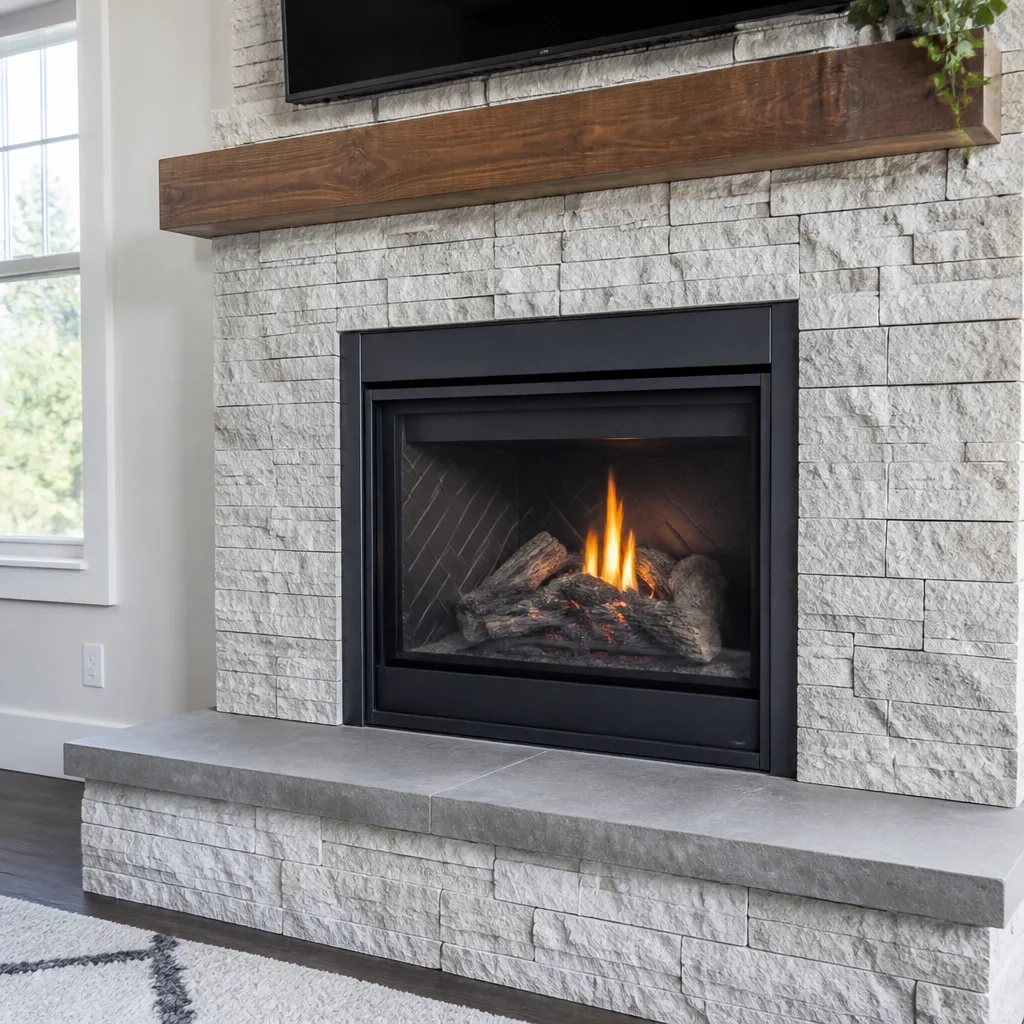
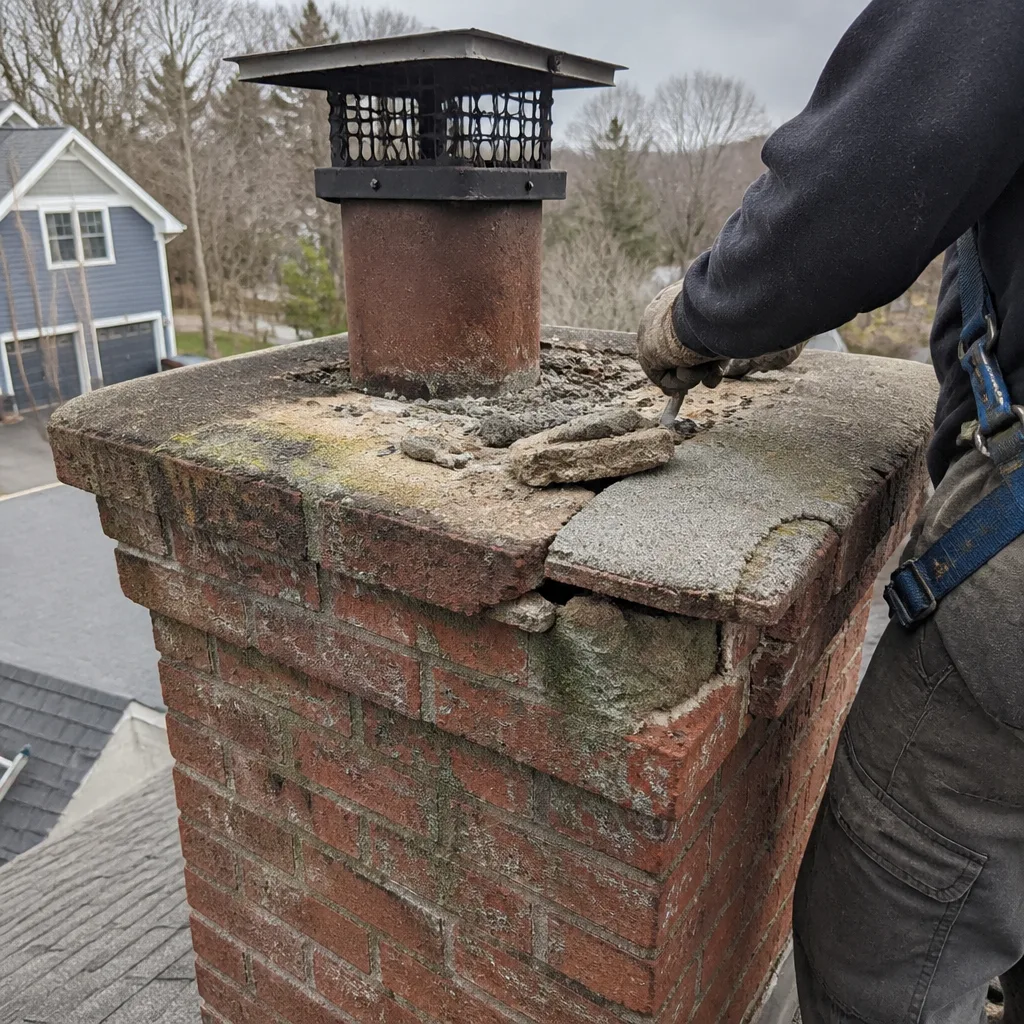 Before
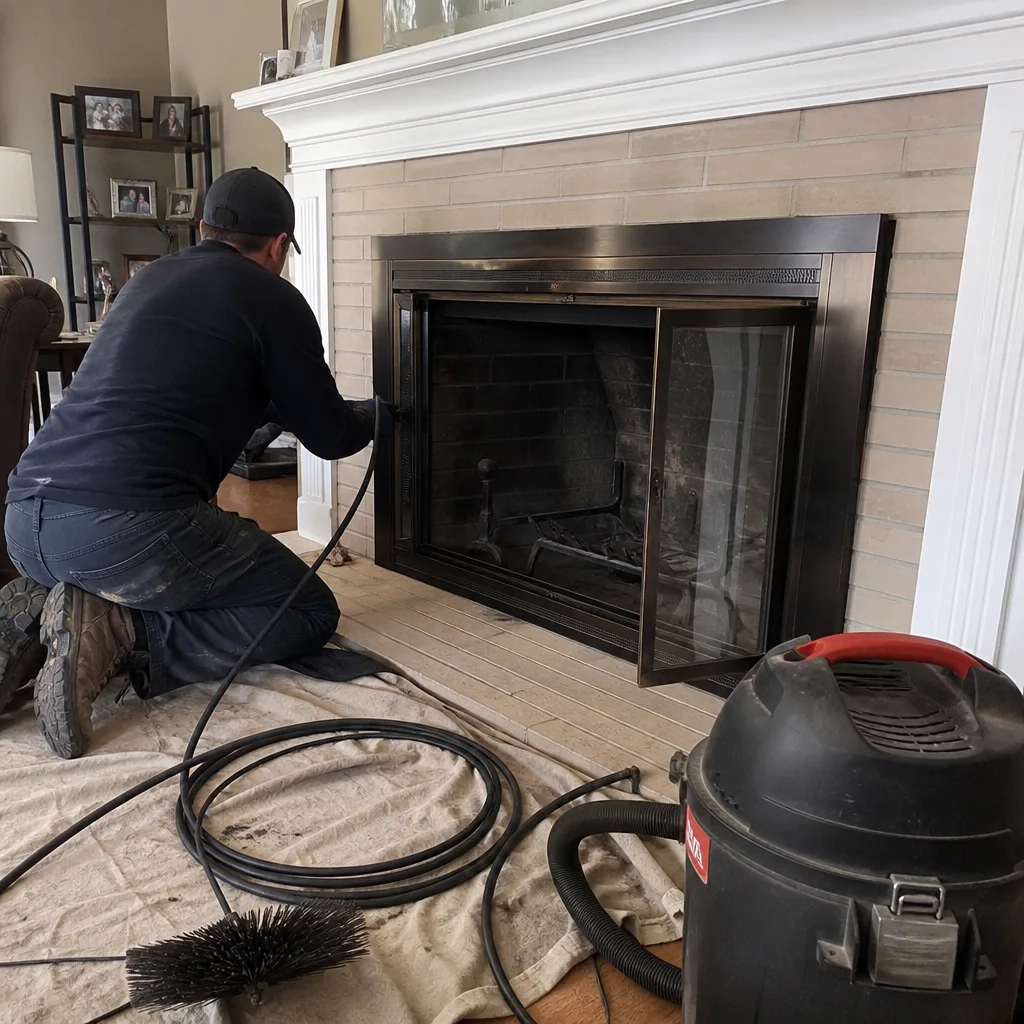 After
After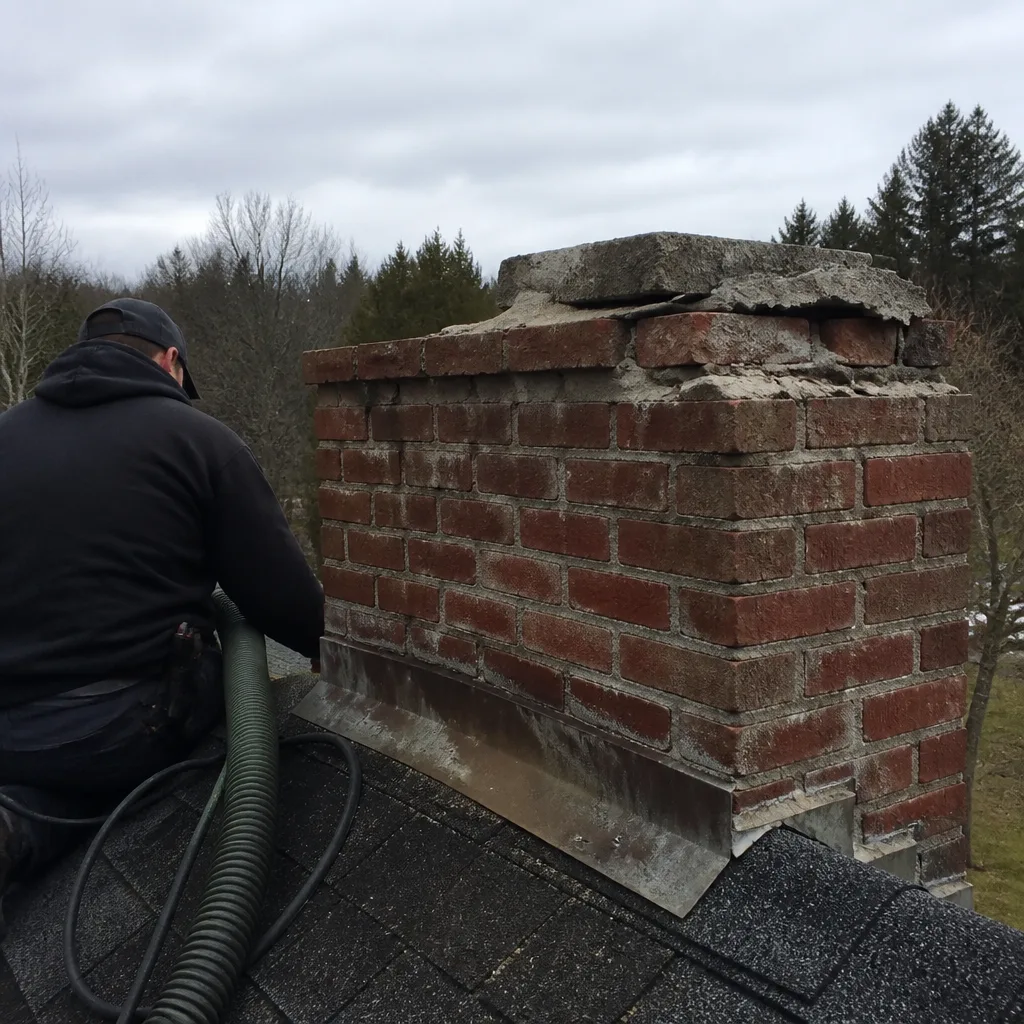 Before
 After
After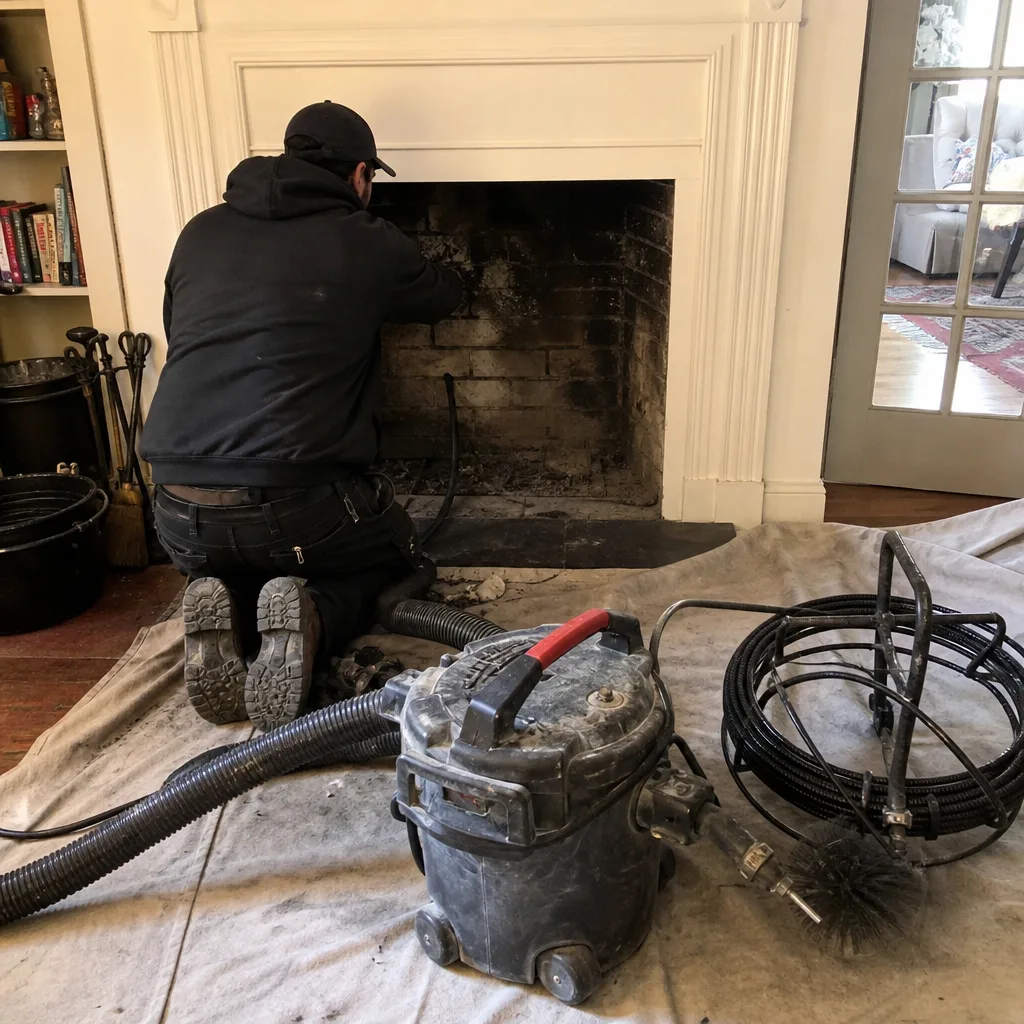 Before
 After
AfterChimney Cleaning Permits, Codes & Inspections in MA: What You Need to Know
Massachusetts General Law 527 CMR 24 requires a permit for any chimney liner installation - but your sweep’s invoice calling it “maintenance” doesn’t change what the work legally is. We’ve cleaned more than 38,000 chimneys across the Commonwealth since 2009, and the most expensive mistake we see isn’t a cracked flue or a nest in the smoke chamber. It’s a homeowner in Wakefield who paid for liner replacement without pulling the required permit, then watched their insurer deny a fire claim because the work was never inspected. This guide draws the exact line between routine chimney maintenance and permitted work, explains how 527 CMR 24 and NFPA 211 interact, and shows you what documentation actually protects your property value and coverage. For a deeper dive, see our Complete Guide to Chimney Cleaning in Wakefield.
Quick Answer
Chimney cleaning and sweeping do not require a building permit in Massachusetts. Chimney liner installation, structural repairs, and any work that alters the flue’s dimensions or fuel type do require a permit under 527 CMR 24. In Wakefield, unpermitted liner work can void your homeowner’s insurance coverage for chimney-related fire losses because insurers now routinely request permit history during claims investigation. Watch for chimney cleaning warning signs every Wakefield homeowner should know before problems escalate.
Table of Contents
- What Requires a Permit vs. What Doesn’t
- How 527 CMR 24 and NFPA 211 Work Together
- The Wakefield Building Permit Process Step by Step
- How Unpermitted Work Creates Insurance Denial Risk
- What Camera-Documented Level 2 Inspection Records Prove
- Permit Costs, Inspection Fees, and Timeline in Wakefield
- Common Mistakes to Avoid
- When to Call a Professional
- Frequently Asked Questions
 Before
 After
AfterWhat Requires a Permit vs. What Doesn’t
The dividing line is simpler than most contractors admit: maintenance preserves what’s there; permitted work changes or replaces it. Here’s exactly where Wakefield’s building department draws that line for residential chimneys.
No Permit Required
- Chimney sweeping and cleaning - removal of soot, creosote, and debris from the flue, smoke chamber, and firebox. This is classified as maintenance under 527 CMR 24.
- Visual exterior inspection - checking crown integrity, brick condition, and cap fit from the roof or ground.
- Minor cap resealing or fastener replacement - provided the cap itself isn’t being replaced with a different type or size.
- Fireplace damper adjustment or lubrication - routine operational maintenance.
Permit Required
- Chimney liner installation or replacement - any new liner, whether stainless steel from DuraFlex, aluminum, or clay tile replacement. This triggers 527 CMR 24.00 because it alters the flue’s rated performance.
- Liner repair exceeding 10% of surface area - patching with HeatShield or similar products crosses into regulated alteration territory in most Massachusetts jurisdictions.
- Crown reconstruction or replacement - structural work affecting the chimney’s weather protection.
- Chimney height modification - including removal for structural reasons.
- Fuel type conversion - switching from wood to gas insert, or oil to pellet, which changes venting requirements.
- Smoke chamber parging or modification - altering the geometry that directs combustion gases into the flue.
In Wakefield specifically, we’ve found the building department applies a practical test: if the work requires a ladder and tools but leaves the chimney’s structure and venting rating unchanged, it’s maintenance. If a product from Olympia Chimney, Famco, or Copperfield is being installed to change or restore the flue’s function, it’s permitted work. The invoice language your contractor uses - “annual service,” “restoration,” “system refresh” - has zero legal weight. What matters is what got done to the flue.
We’ve seen competitors in the North Shore market deliberately obscure this distinction. They’ll sell a “complete chimney restoration” as maintenance to avoid the permit fee and inspection timeline. The homeowner saves $150 on permit costs and gains a $40,000 insurance exposure. That’s the trade.
How 527 CMR 24 and NFPA 211 Work Together
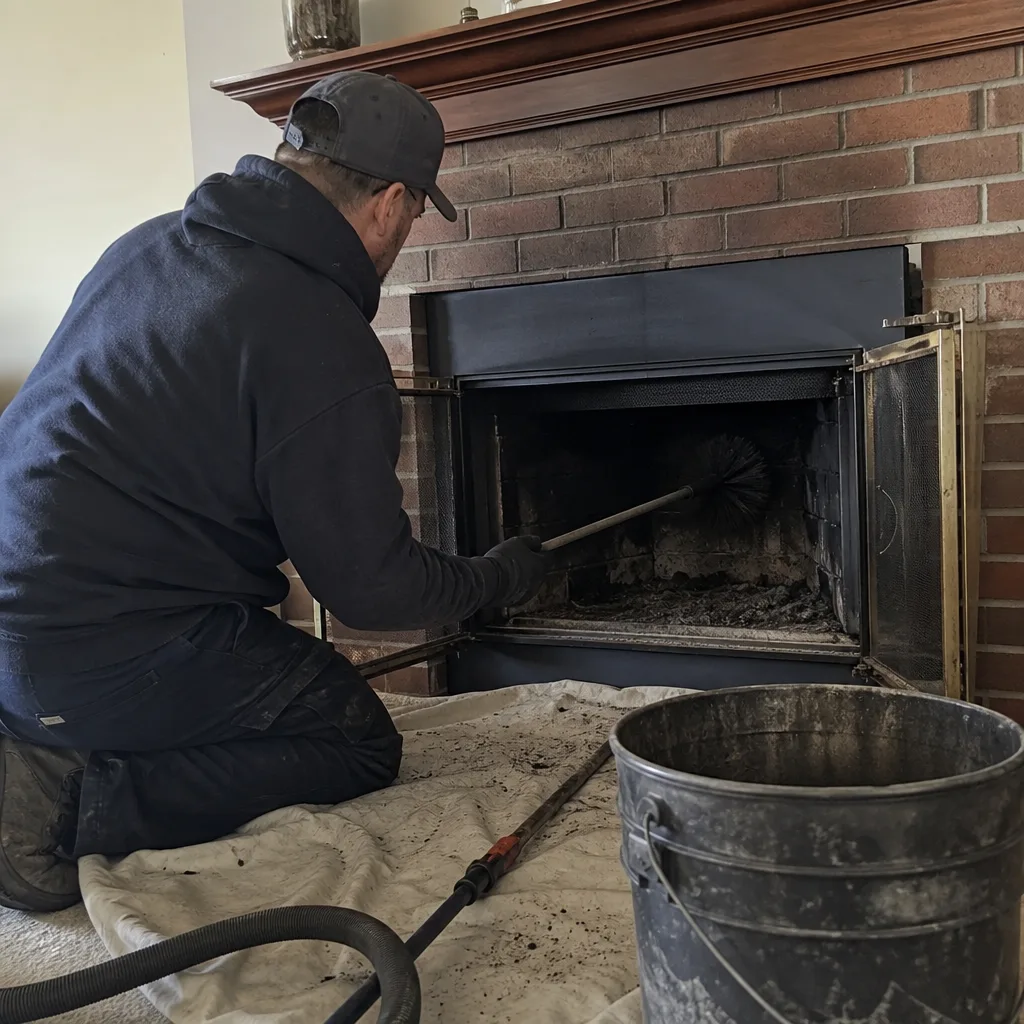
Massachusetts doesn’t write its own chimney code from scratch. The state adopts NFPA 211, Standard for Chimneys, Fireplaces, Vents, and Solid Fuel-Burning Appliances, by reference under 527 CMR 24.00. This matters because it creates a two-layer compliance structure that confuses homeowners and cuts corners from contractors.
NFPA 211 sets the technical baseline: how chimneys must be constructed, what clearances are required, how inspections must be performed, and what documentation qualifies as sufficient. 527 CMR 24 adds Massachusetts-specific enforcement mechanisms - permit requirements, inspection protocols, and the authority of local building officials to approve or reject work. You can technically meet NFPA 211’s inspection standard and still fail Massachusetts compliance if the permit was never pulled.
Here’s how the interaction plays out in practice:
- NFPA 211 defines three inspection levels. Level 1 is visual, accessible areas only. Level 2 requires camera inspection of the flue interior, accessible portions of the exterior, and the attic or crawl space where the chimney passes through. Level 3 involves demolition of building materials to investigate concealed areas. For real estate transactions, fuel changes, or after chimney fires, NFPA 211 mandates Level 2 minimum.
- 527 CMR 24 makes the local building official the enforcement layer. They review permit applications for liner work, schedule inspections at rough-in and final, and issue certificates of compliance. No certificate, no legal completion.
- The state amendment adds documentation requirements. Massachusetts requires permit applications to specify liner material, manufacturer, and sizing calculations. Generic “stainless steel liner” descriptions get rejected.
At Level Two Chimney Wakefield, we built our inspection protocol on NFPA 211 Level 2 in 2009 - before most insurers or regulators required it - because the camera doesn’t negotiate. Clause 4 of the Haven Standard requires a documented photo record on every job, every time. That record becomes evidence of pre-existing condition if a permit dispute or insurance question arises later. We’ve testified in three coverage disputes where our 2014, 2017, and 2021 inspection records determined whether damage was pre-existing or post-permit.
The climate around Wakefield accelerates certain failures that make this documentation essential. Freeze-thaw cycles in Essex and Middlesex counties - typically 80+ annual cycles - spall brick and degrade mortar joints faster than inland Massachusetts. A chimney that passed visual inspection in October can show significant deterioration by March. The camera record timestamps what was actually there.
The Wakefield Building Permit Process Step by Step
Wakefield’s building department operates under the Massachusetts State Building Code with local amendments. For chimney work, the process is straightforward but specific. Missing any step invalidates the permit and leaves the work uninspected.
Step 1: Determine Work Classification
Contact Wakefield Building Department at Town Hall or review their online permit guide. Describe the scope exactly: “stainless steel liner replacement for wood-burning fireplace,” not “chimney service.” Misclassification at this stage causes rejection or, worse, approval for the wrong scope.
Step 2: Submit Application with Technical Specifications
Applications require:
- Property address and owner contact information
- Contractor name, license number, and insurance certificate
- Detailed scope description with manufacturer and model of proposed liner
- Sizing calculations showing the liner matches the appliance’s BTU output and venting category
- Diagram of chimney configuration (height, offsets, connector type)
We provide this documentation packet as standard on every liner job. Clause 1 of the Haven Standard - “Have it in writing” - means the homeowner sees the full technical specification before we submit the permit application, not after.
Step 3: Pay Permit Fee
Wakefield’s fee schedule for chimney liner permits typically runs $100-$200 depending on project value. The building department publishes current fees; we never mark this up or hide it in “administrative charges.”
Step 4: Rough-In Inspection
For liner installations, an inspector examines the liner placement, connections, and clearances before final closure. This is where unpermitted work most commonly fails - the liner was sized wrong, the connection to the appliance is improper, or clearance to combustibles violates NFPA 211. We’ve been called to redo three competitor installations in Wakefield neighborhoods (Montrose, Greenwood, and the Lake Quannapowitt area) after rough-in failures that could have been prevented with proper sizing calculations.
Step 5: Final Inspection and Certificate
The inspector verifies proper termination, cap installation, and operational testing. Upon pass, Wakefield issues a certificate of compliance. This document is what your insurer will request after a fire. Store it with your homeowner’s policy.
Step 6: Record Retention
Wakefield retains permit records permanently. Homeowners should also retain their copy, contractor invoice, and any inspection documentation. Our Haven Standard records - photos, video, written scope, written warranty - are archived and available to the homeowner on request.
How Unpermitted Work Creates Insurance Denial Risk
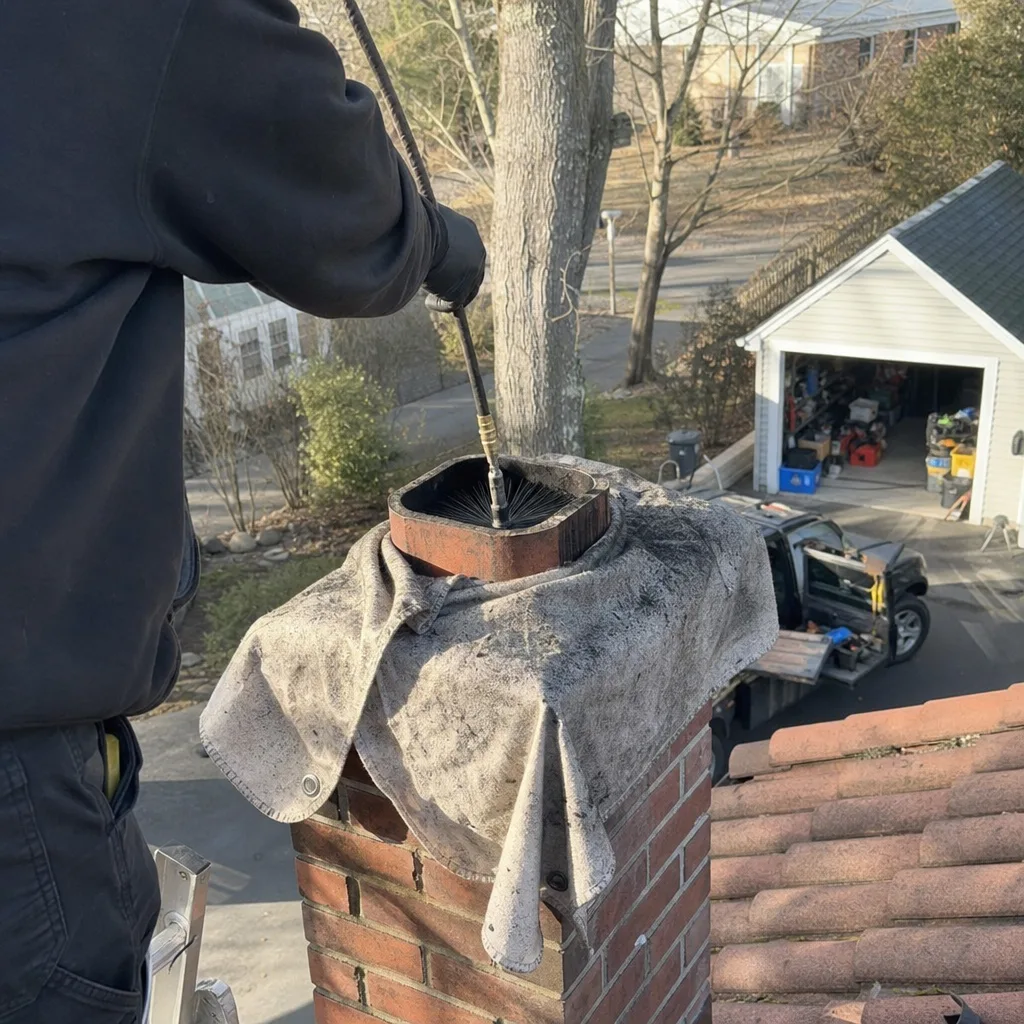
This is where the “maintenance” fiction becomes expensive. Massachusetts homeowner’s insurance policies contain standard provisions requiring compliance with applicable building codes. The exact language varies by carrier, but the core clause runs something like: “Coverage for loss caused by or resulting from faulty or inadequate construction, renovation, or repair is excluded where such work was performed without required permits or inspections.”
After a chimney fire, the insurer’s adjuster routinely requests:
- Permit history for the property from the local building department
- Contractor invoices and scope descriptions for any chimney work in the past 10 years
- Inspection records, if available
If a liner was installed without permit - even if the installation was technically sound, even if it had nothing to do with the fire’s origin - the insurer has grounds to deny or limit the claim. We’ve reviewed claim denials where the unpermitted liner was in the second flue of a two-flue chimney, completely separate from the fire location. The carrier’s position: unpermitted work demonstrates a pattern of code non-compliance that voids the policy’s compliance warranty.
In Wakefield specifically, we’ve observed increased scrutiny since 2019, when several North Shore towns digitized permit records and made them searchable by property address. Insurers no longer need to rely on homeowner disclosure; they pull the record directly. A $150 permit skipped in 2016 becomes a $40,000-$80,000 coverage gap in 2024.
The camera-documented Level 2 inspection record serves a secondary function here. If you bought a home with an existing liner and no permit record, a pre-purchase inspection from Chimney Cleaning & Sweep in Wakefield establishes the liner’s condition at acquisition. This can shift coverage disputes from “was this work permitted” to “was this defect pre-existing and unknown,” which carries different policy implications. We’ve provided this documentation for three Wakefield real estate transactions where permit history was incomplete.
What Camera-Documented Level 2 Inspection Records Prove
Documentation is only as good as what it shows, when it was captured, and who can authenticate it. The Haven Standard’s Clause 4 requirements - continuous since 2009 - were designed specifically to create court-admissible, insurer-recognizable records.
Here’s what our standard documentation includes and why each element matters:
| Document Element | What It Shows | Why It Matters for Permits/Codes |
|---|---|---|
| Date-stamped photos, flue full-length | Liner condition, creosote class, joint alignment, obstructions | Establishes pre-existing condition baseline; proves what was visible before any work |
| Video scan of flue interior | Continuous footage of entire flue length, not selective stills | Eliminates “we couldn’t see that” disputes; shows offset, deterioration, or gaps |
| Written scope of work | Exactly what was done, with what materials, to what standard | Permit application support; warranty enforcement; dispute resolution |
| Written price, pre-work | Fixed cost agreed before commencement | Haven Standard Clause 1; eliminates “they said one price, charged another” conflicts |
| Written warranty | 365-Day Done Right Promise, material and labor coverage | Recourse if work fails; evidence of contractor accountability |
| Technician identification | Named, background-checked, uniformed technician | Authentication; chain of custody for evidence |
In a permit dispute or insurance investigation, this record accomplishes three things. First, it proves the chimney’s condition at a specific date - critical for determining whether damage was pre-existing or caused by subsequent work. Second, it demonstrates that inspection met NFPA 211 Level 2 standards, which insurers and courts recognize as the professional baseline. Third, it identifies who performed the work and what they found, creating accountability that anonymous “chimney service” invoices cannot match.
We’ve used these records to defend Wakefield homeowners in boundary disputes with neighbors (smoke migration claims), insurance subrogation attempts, and one case where a home inspector missed a deteriorated liner that our pre-sale inspection had documented. The neighbor’s attorney requested our records; we provided them with homeowner authorization. The case settled.
The materials matter too. When we specify DuraFlex liners, HeatShield resurfacing, or caps from Famco or Copperfield, that specification goes into the written scope and becomes part of the permit application. Generic “stainless steel liner” language - common in low-documentation bids - creates permit rejection and warranty disputes. Named products with traceable specifications protect everyone.
Permit Costs, Inspection Fees, and Timeline in Wakefield
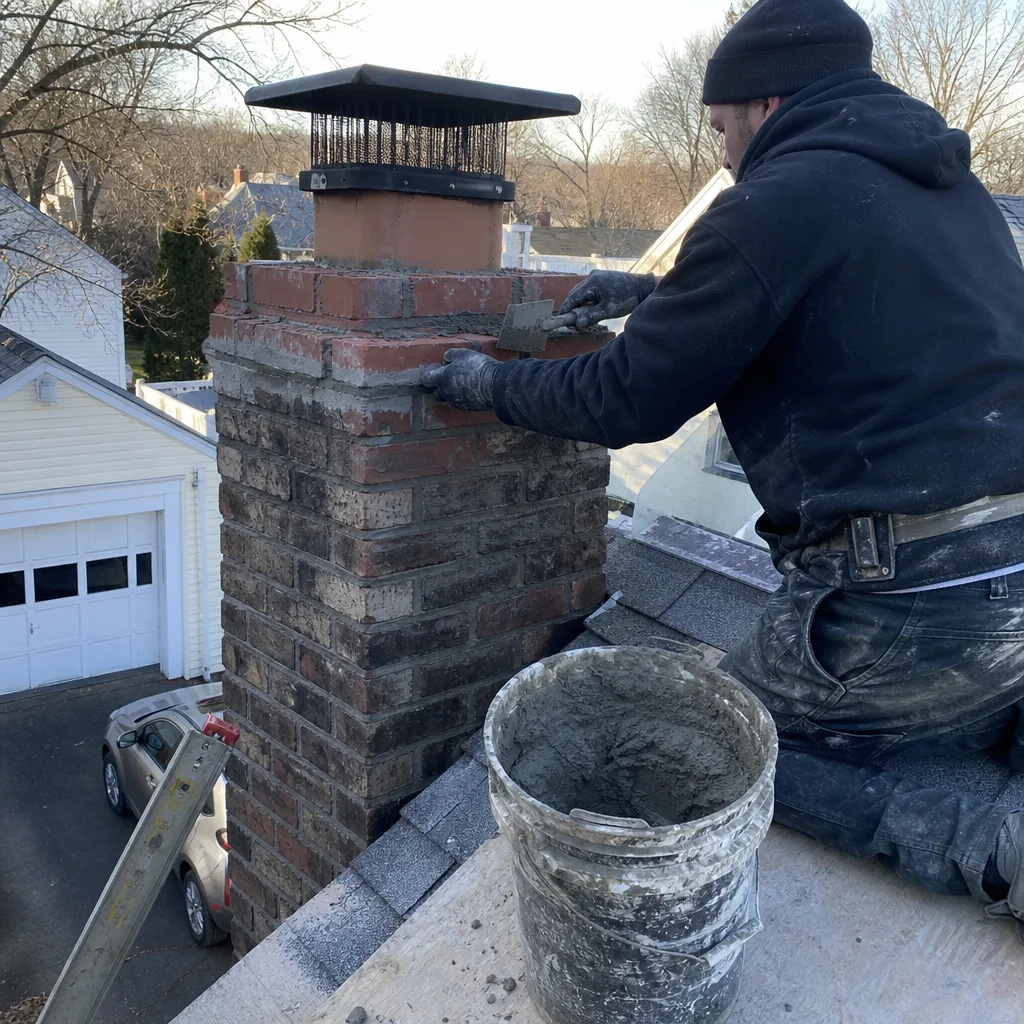
Transparency about total project cost - including the permit layer - is why we publish pricing ranges and include permit fees in our written quotes. Here’s what Wakefield homeowners should expect.
Permit and Inspection Fees
| Project Type | Wakefield Permit Fee Range | Inspection Visits Required |
|---|---|---|
| Chimney liner replacement | $100-$200 | 2 (rough-in, final) |
| Crown reconstruction | $75-$150 | 1-2 |
| Smoke chamber parging | $75-$150 | 1-2 |
| Structural repair (spalling brick, rebuild) | $150-$300 | 2+ |
| Cap replacement (like-for-like) | None | None |
| Chimney cleaning/sweeping | None | None |
Timeline
Wakefield Building Department typically issues permits within 3-5 business days for straightforward chimney work, provided the application is complete. Inspection scheduling adds 1-2 weeks depending on inspector availability. Total timeline from permit application to final certificate: 2-4 weeks for most liner installations.
We schedule our work to accommodate this timeline, not rush around it. A contractor who promises “next day” liner installation in Wakefield is either working without permit or has pre-pulled a permit they haven’t disclosed. Neither protects the homeowner.
Our Chimney Repair in Wakefield quotes include line-item permit fees where applicable, with no markup. The price you see before work starts includes every compliance cost. That’s Haven Standard Clause 1.
Common Mistakes to Avoid
- Accepting “permit included” without seeing the certificate. Some contractors fold the permit fee into their price but never file the application. Always request the permit number and verify it with Wakefield Building Department before final payment.
- Confusing a town fire department inspection with a building permit inspection. Wakefield Fire Department may conduct operational safety checks for wood stove installations. This is separate from and does not replace the building permit process under 527 CMR 24.
- Letting a seller’s “recent chimney service” substitute for your own inspection. In Wakefield’s competitive market, buyers waive contingencies based on seller-provided invoices. Those invoices rarely specify inspection level or camera documentation. Get your own Level 2 inspection.
- Assuming gas inserts don’t need permits. Fuel type conversions - including wood-to-gas - always require permits in Massachusetts. The venting category changes, and the liner must be rated for the new appliance’s condensate and temperature profile.
- Ignoring permit requirements for “like-for-like” liner replacement. Even if the old liner was legal, a new liner must meet current code, not the code in force when the chimney was built. Wakefield applies current 527 CMR 24 standards to all new installations.
- Failing to document pre-existing conditions before permitted work. If the liner replacement reveals hidden damage, the permit inspection may trigger additional required repairs. A camera-documented pre-work record distinguishes what existed from what was caused.
- Using unlicensed contractors for permitted work. Massachusetts requires construction supervisors licenses for structural chimney work. Wakefield Building Department rejects permit applications from unlicensed contractors. Verify license status through the Massachusetts Division of Professional Licensure.
When to Call a Professional
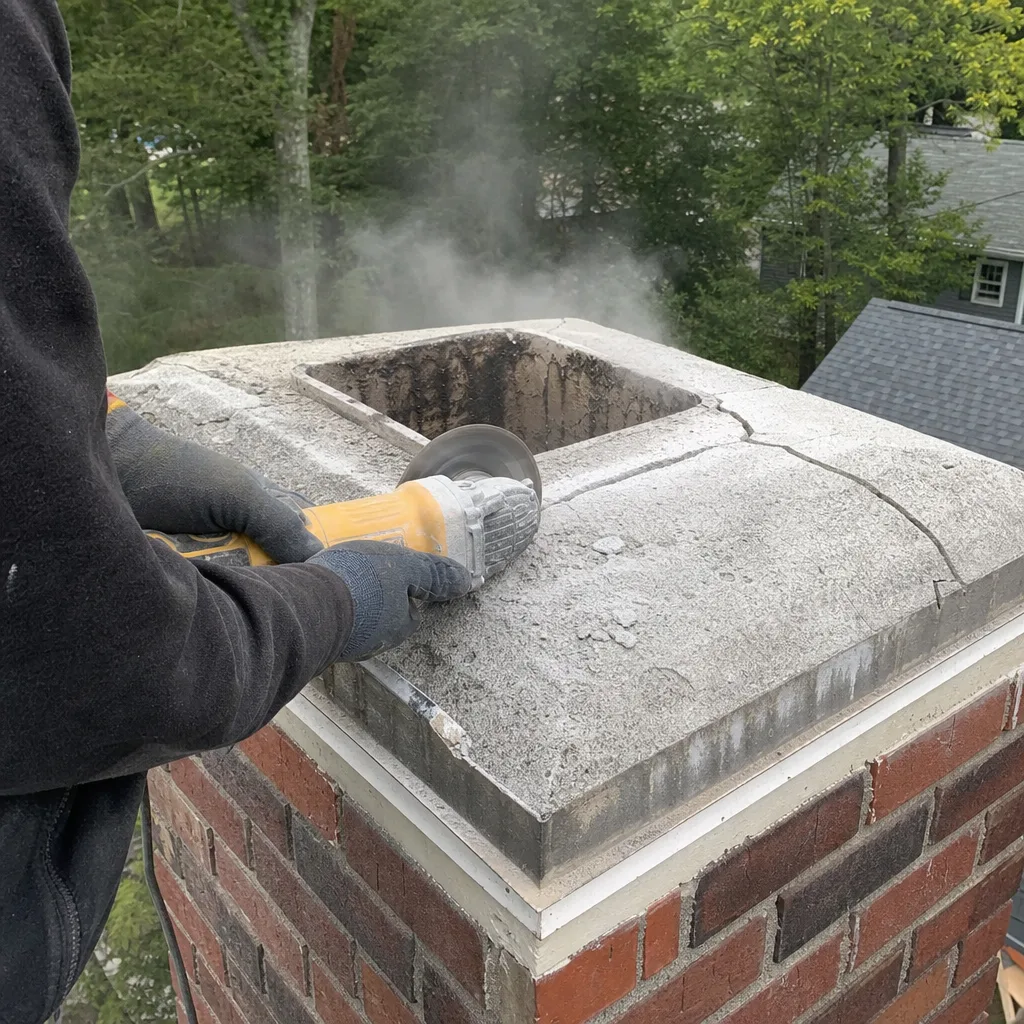
Call a certified chimney professional when you’re buying a home with incomplete permit history, when any inspection recommends liner work or structural repair, or when you’re converting fuel types. The cost of proper documentation and permitting is trivial against the cost of a coverage denial.
Level Two Chimney Wakefield offers free estimates in Wakefield - call (978) 861-1012. Every estimate includes a written price, written scope, and written warranty before any work begins. We pull permits as standard on all regulated work, include the fee in your quoted price, and provide the compliance certificate for your records. Our 365-Day Done Right Promise applies to every job, and we offer a Free Second Opinion on any competitor’s written estimate.
Frequently Asked Questions
No. Chimney cleaning and sweeping are classified as maintenance under 527 CMR 24 and do not require a building permit in any Massachusetts jurisdiction, including Wakefield. Use our Chimney Cleaning & Sweep Maintenance Checklist for Wakefield Homeowners to stay on track. The work must still be performed to NFPA 211 standards, and a Level 2 camera inspection is recommended annually for wood-burning systems, but no permit or inspection by the building department is required for cleaning alone.
Chimney liner replacement permits in Wakefield typically cost $100-$200, with two required inspections (rough-in and final). This fee is separate from contractor labor and materials. At Level Two Chimney Wakefield, we include the permit fee in our written quote with no markup - you’ll see it as a line item before any work starts.
Unpermitted chimney work can void your homeowner’s insurance coverage for chimney-related fire losses. After a fire, insurers routinely request permit history from the local building department. If liner installation or structural work lacks required permits and inspections, the carrier may deny or limit the claim regardless of whether the unpermitted work caused the fire. The only remedy is to have the work inspected and permitted retroactively, which Wakefield Building Department may or may not allow depending on accessibility and scope.
NFPA 211 recommends annual inspection for all chimney systems, and Massachusetts has adopted this standard by reference under 527 CMR 24. In Wakefield, where wood-burning is common and freeze-thaw cycles accelerate masonry deterioration, we recommend annual Level 2 inspection with camera documentation for active wood-burning fireplaces and stoves. Gas systems can often extend to biennial inspection if usage is light and no operational issues appear.
A Level 1 inspection examines readily accessible portions of the chimney exterior, interior, and connecting appliances - what can be seen without special tools or dismantling. A Level 2 inspection adds camera scanning of the flue interior, examination of accessible attics and crawl spaces where the chimney passes through, and assessment of clearances from combustibles. In Massachusetts, Level 2 is required for real estate transactions, after chimney fires or seismic events, and upon installation of new appliances. Level Two Chimney Wakefield performs NFPA 211 Level 2 inspection as our default on every visit - we don’t offer the lesser standard.
You can list it, but you’ll likely face complications. Massachusetts disclosure forms require sellers to report known code violations. Wakefield’s digitized permit records allow buyer’s agents to search permit history easily. Unpermitted liner work often triggers buyer inspection contingencies, renegotiation, or requirement that the seller obtain retroactive permits before closing. A pre-listing Level 2 inspection with camera documentation from Level Two Chimney Wakefield identifies what’s permitted, what isn’t, and what options exist - call (978) 861-1012 for a free estimate.
The Bottom Line
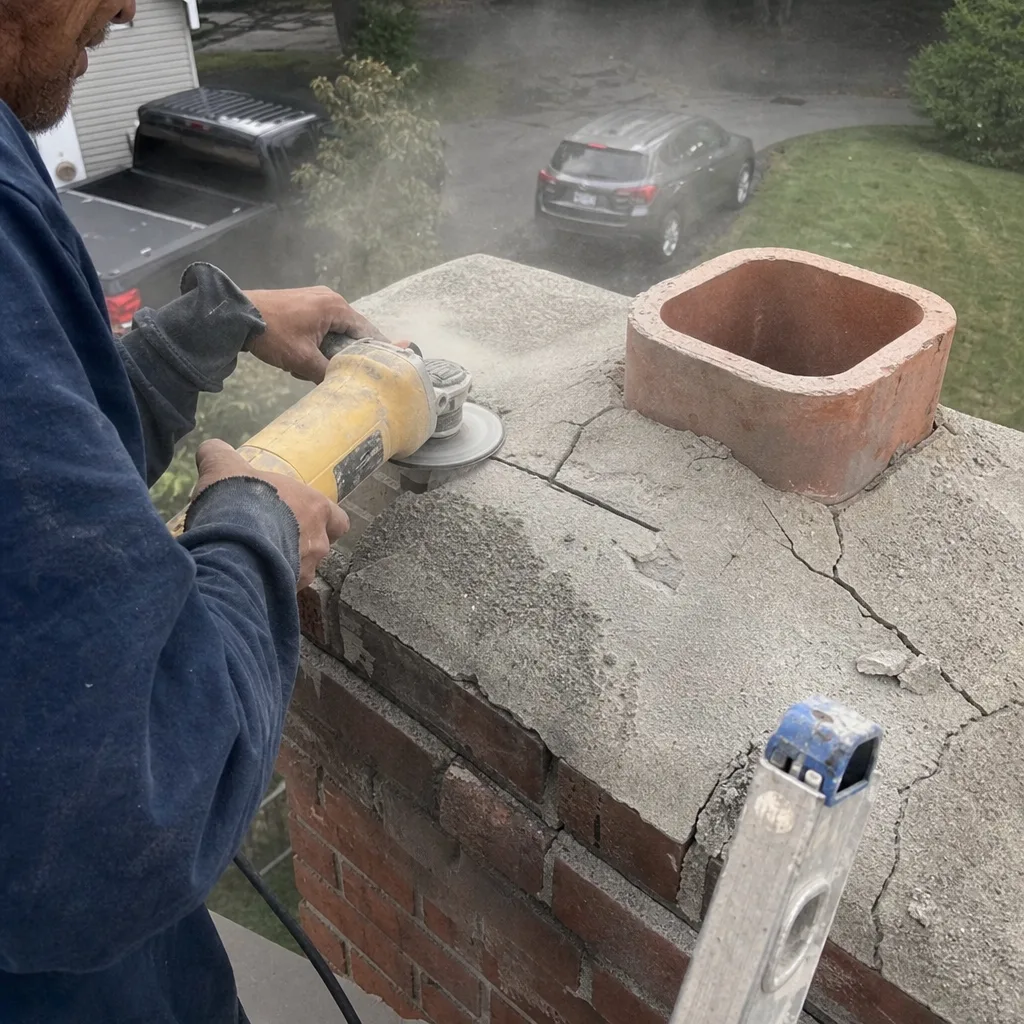
Chimney cleaning doesn’t require a permit in Massachusetts, but the liner work, structural repairs, and fuel conversions that proper inspection often reveals absolutely do. The permit isn’t bureaucracy - it’s the documentation layer that keeps your insurance valid and your property saleable. In Wakefield, where permit records are now digitally searchable and insurers routinely request them, skipping the permit is a gamble with your coverage. Get the camera-documented inspection first. Get the written price before work starts. Get the permit filed and the certificate stored. For more guides & resources on protecting your home, explore our blog. The cost of doing it right is known; the cost of doing it wrong reveals itself only when you need the coverage most.
Written by Corrine Halstead, Owner at Level Two Chimney Wakefield, serving Wakefield since 2009.