
Last updated September 22, 2026
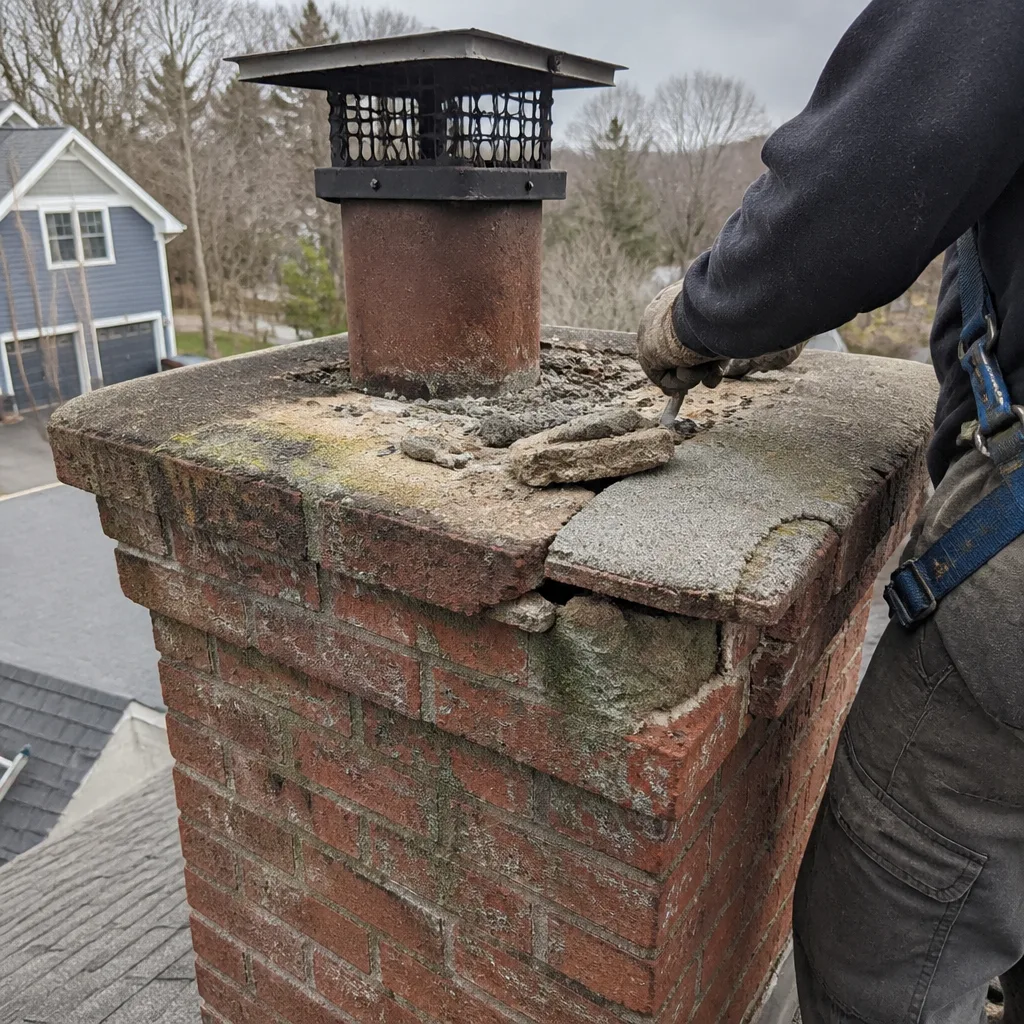
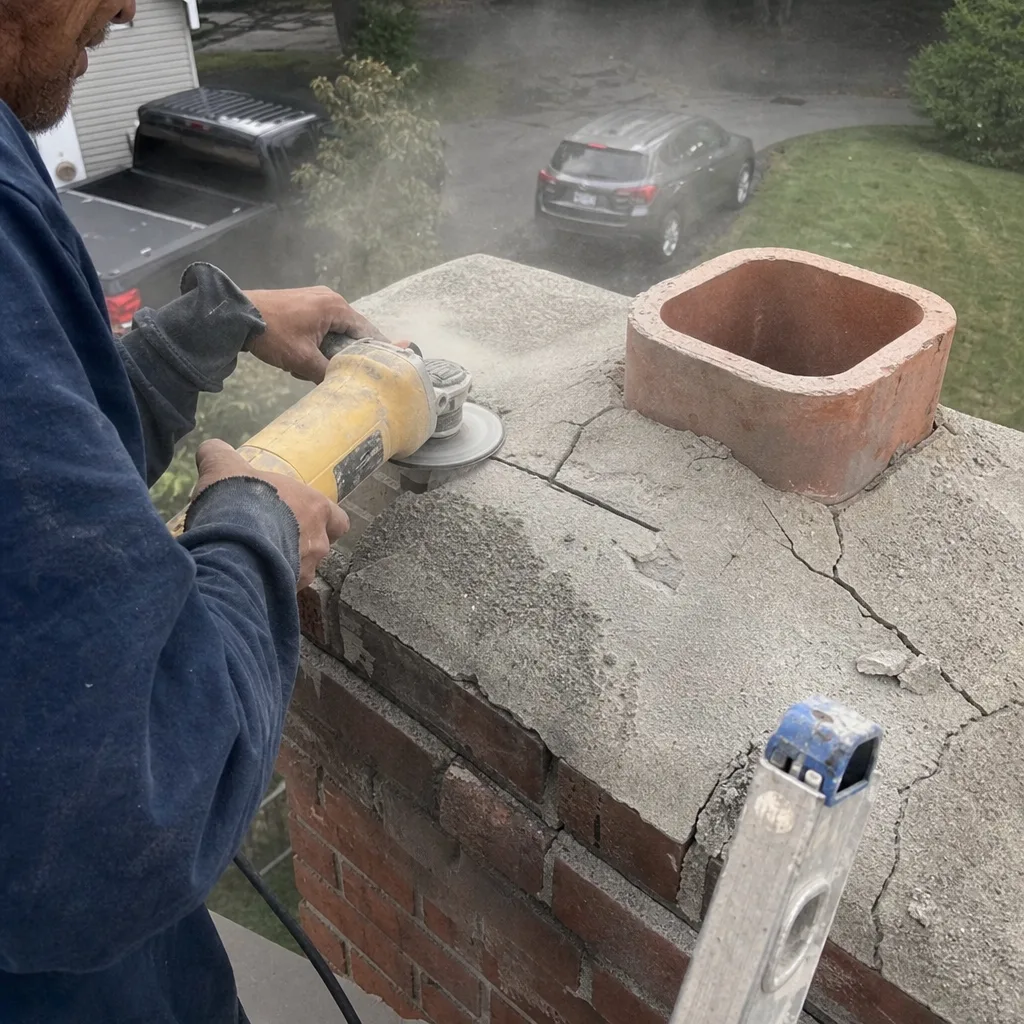
Level 1 sweep and inspection to the NFPA 211 annual standard - flue, crown, cap, and flashing checked and photographed
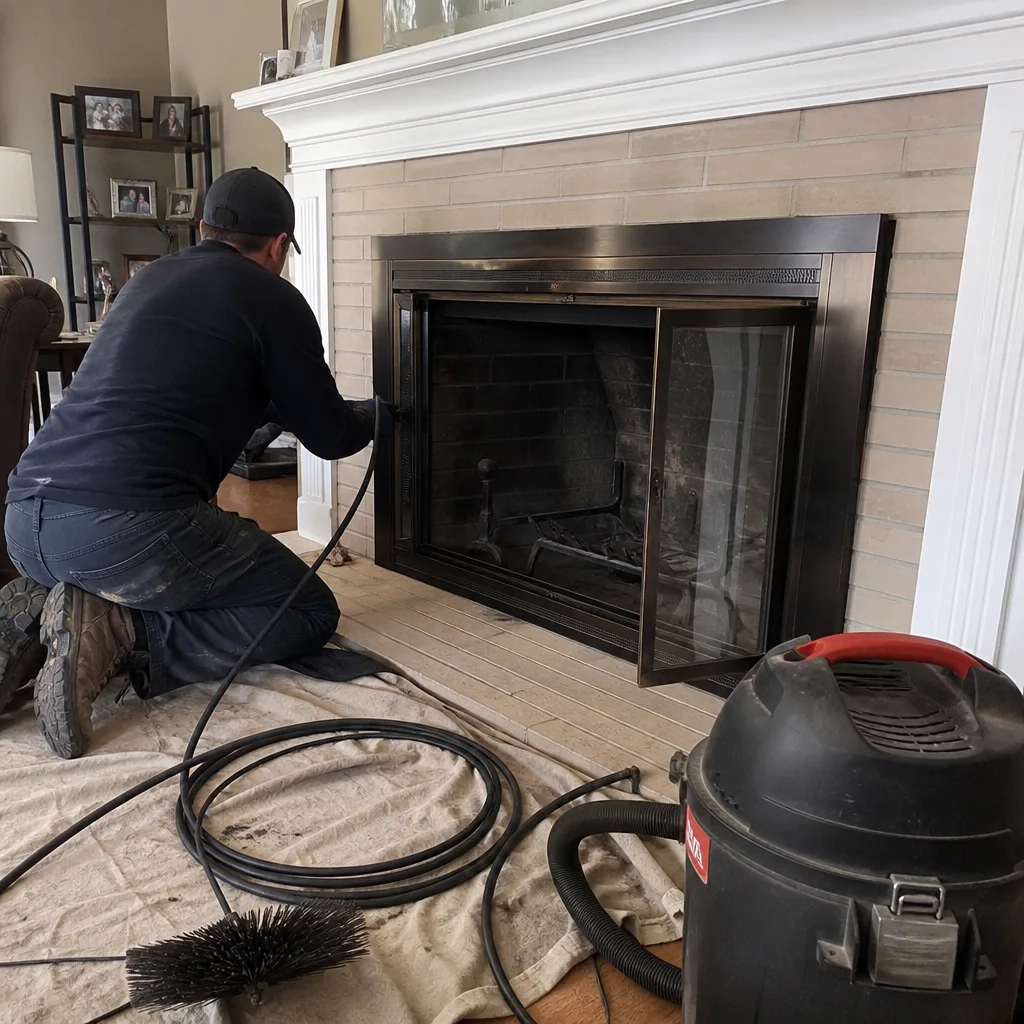
Chimney sweep logs do not sweep chimneys. They loosen some creosote - which then falls where a brush and vacuum still have to collect it.
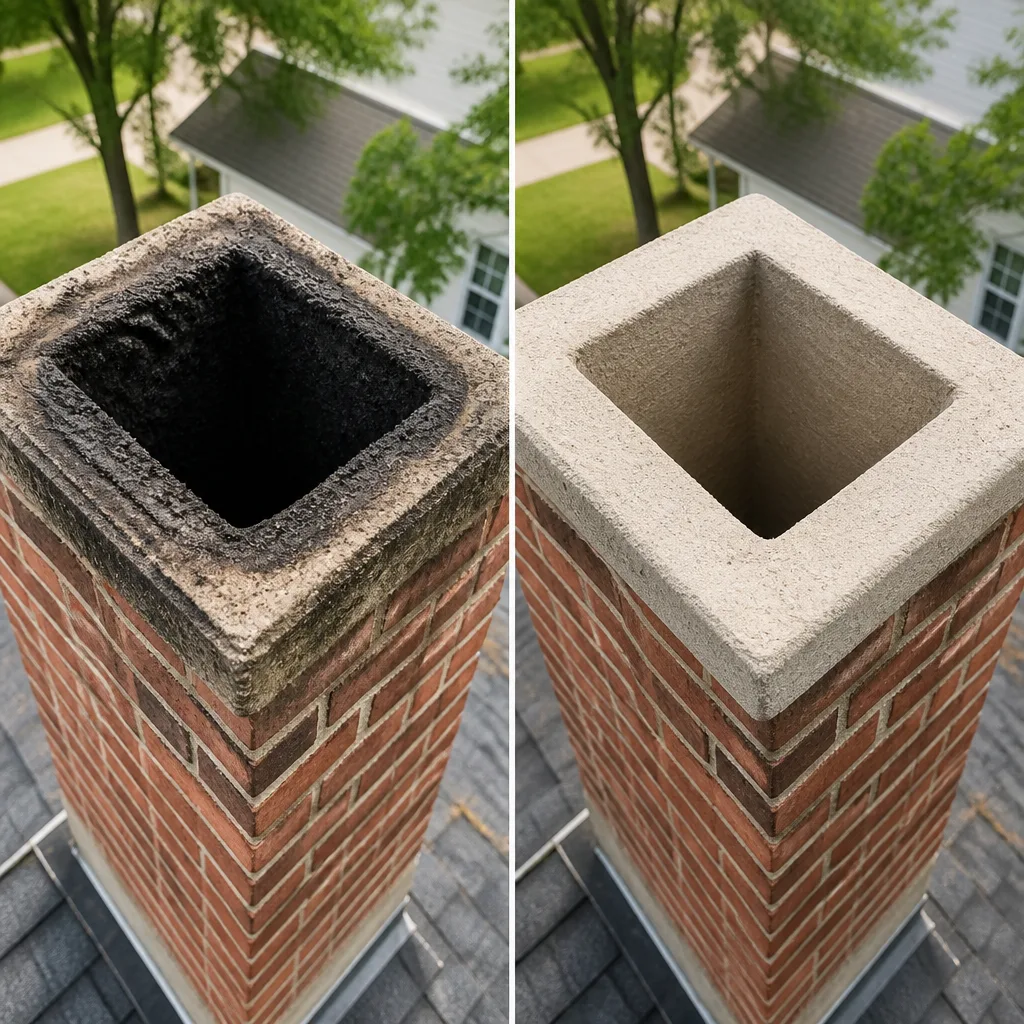
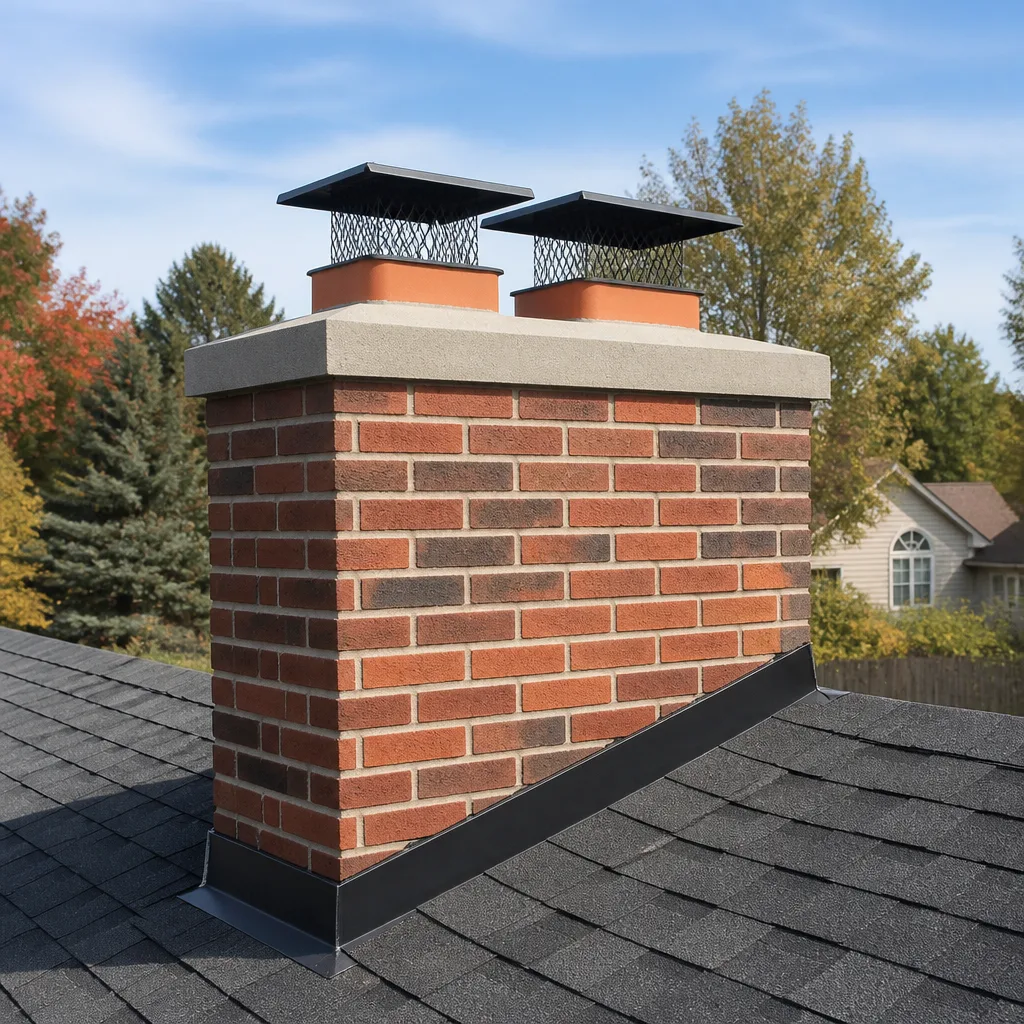
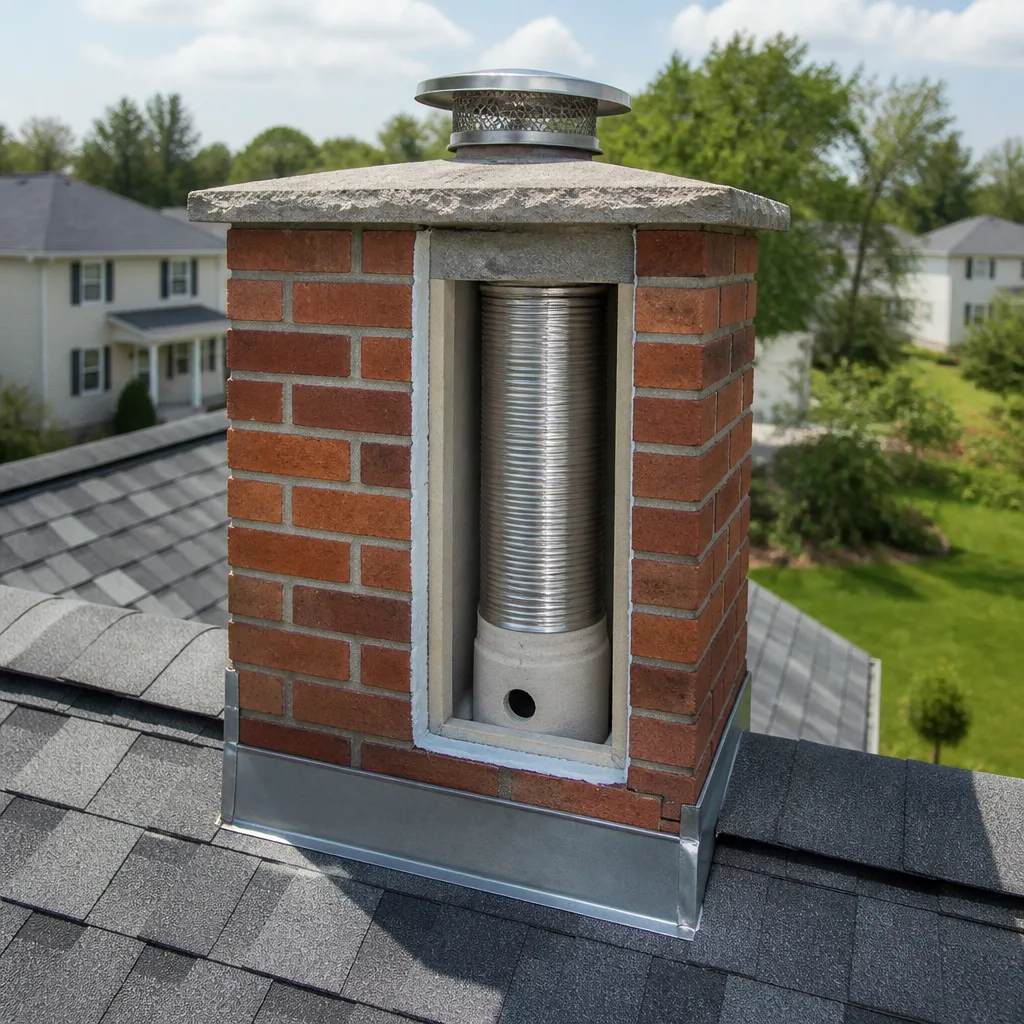
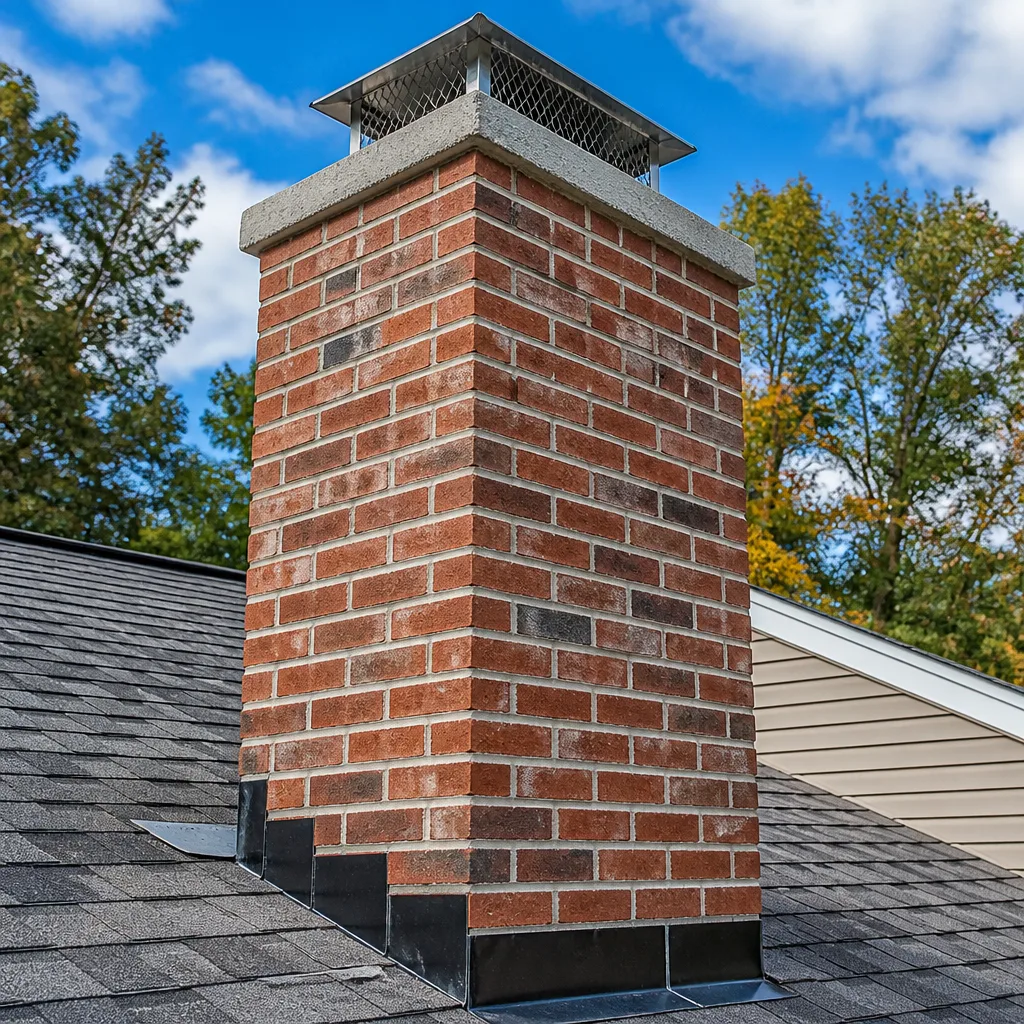
 Before
 After
After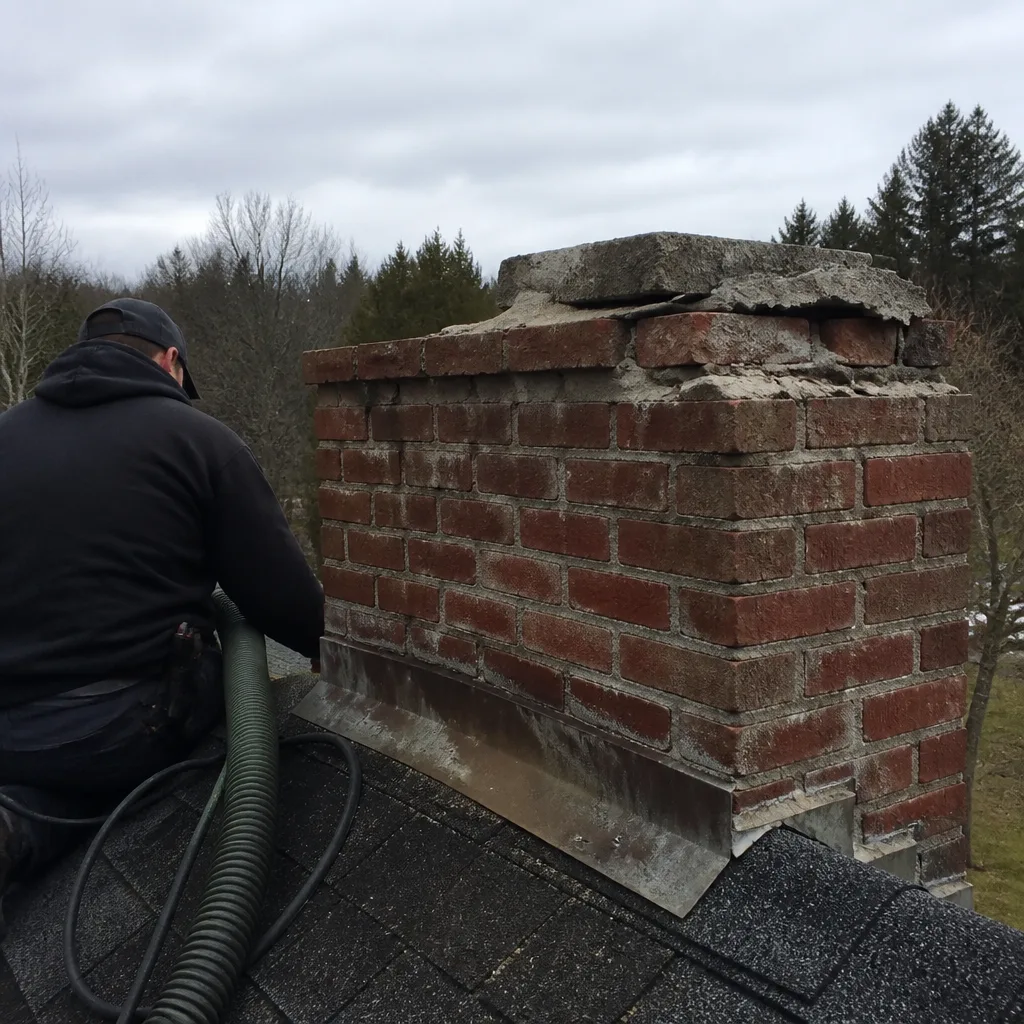 Before
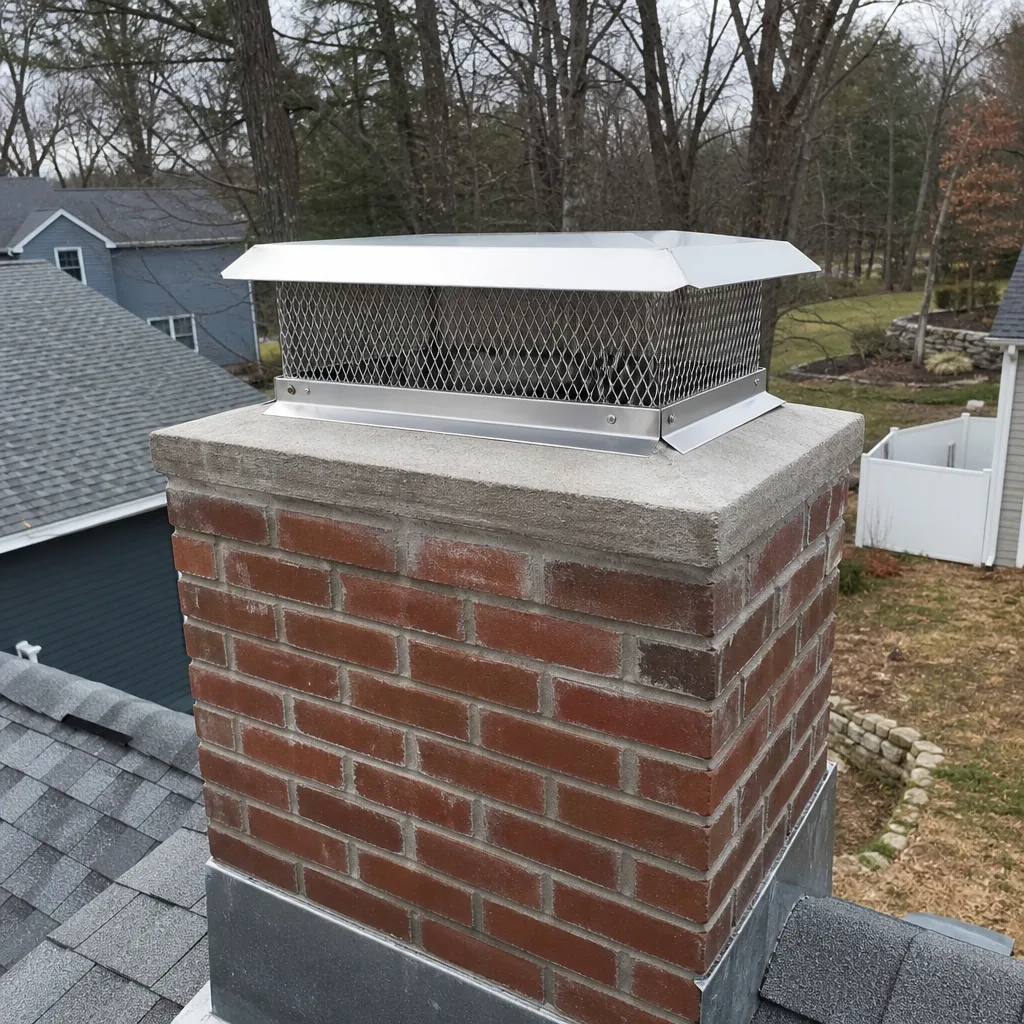 After
After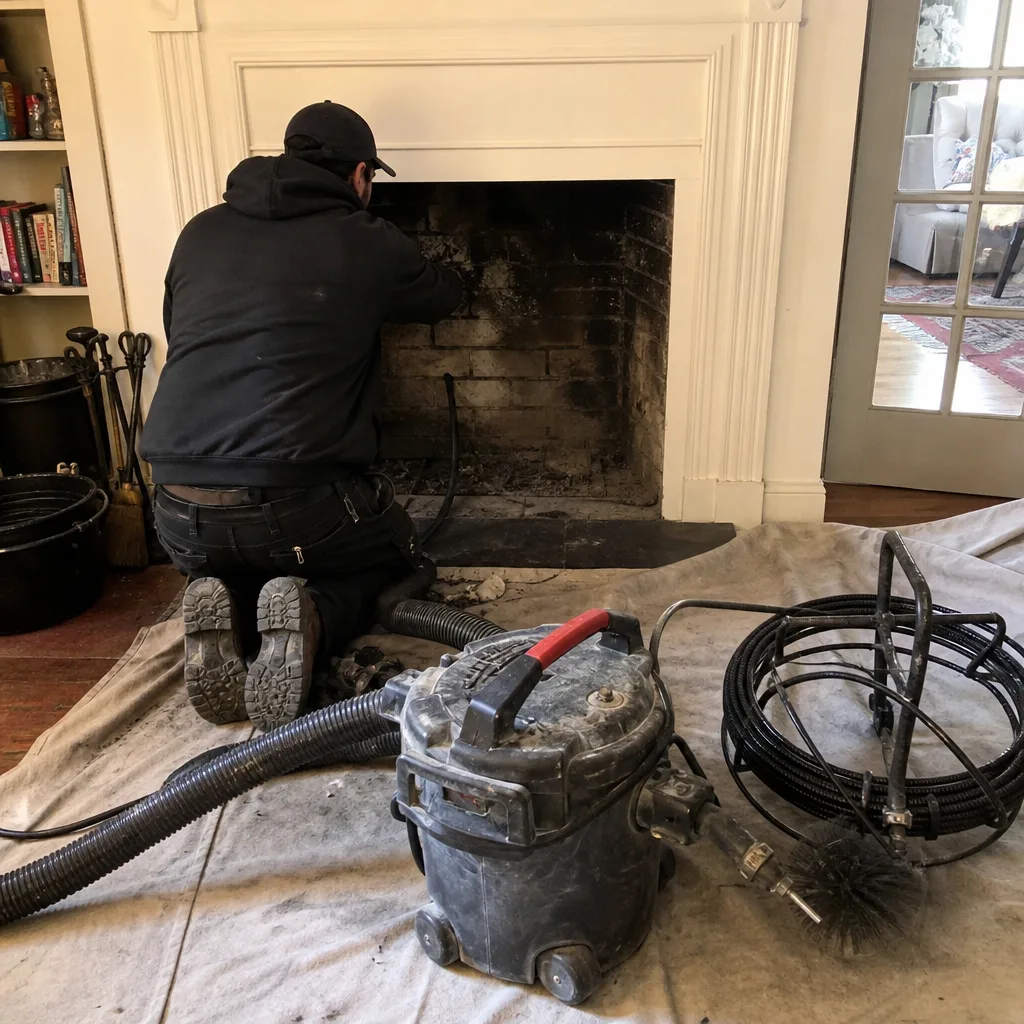 Before
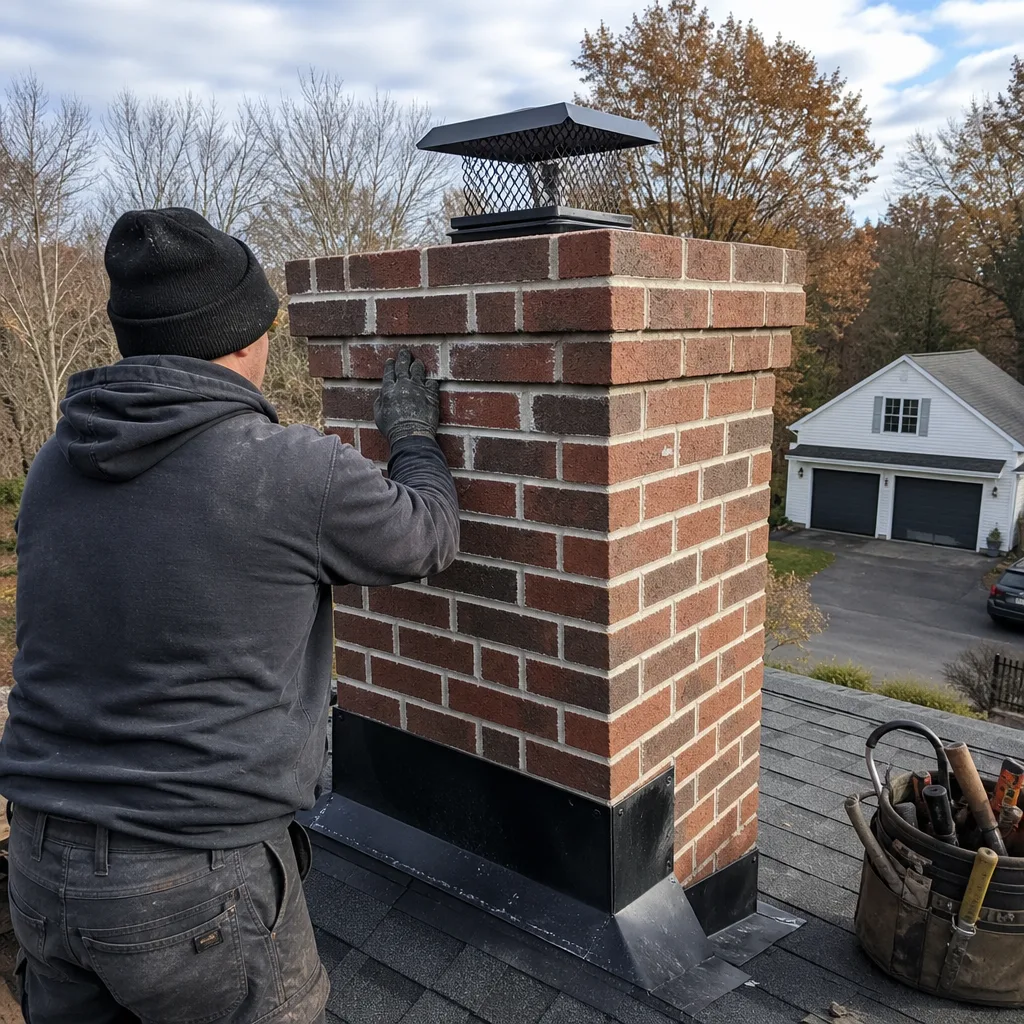 After
AfterThe Complete Guide to Chimney Cleaning in Wakefield
A Level 1 chimney sweep with a flashlight costs about $150 in Wakefield and misses the cracked flue tile that caused 27% of Massachusetts chimney-related house fires last year. That’s because a flashlight can’t see around a bend in a masonry flue, and most of the chimneys in Wakefield’s older Colonial and Cape housing stock have bends. This guide explains what NFPA 211 actually defines as chimney cleaning, why three distinct levels of service exist, and how to know which one your home needs before a truck pulls into your driveway.
Quick Answer
Chimney cleaning in Wakefield typically means an NFPA 211 Level 1 or Level 2 sweep and inspection, costing between $199 and $389 depending on access difficulty and creosote buildup severity. A proper service includes debris removal from the flue, smoke chamber, and firebox, plus a condition assessment that finds problems before they become fire hazards or carbon monoxide risks. In Wakefield’s 01880 zip, where unlined masonry flues remain common in pre-1980 construction, we recommend Level 2 camera inspection at minimum due to age-related deterioration patterns we’ve documented since 2009. For help choosing the right approach, see our DIY vs Professional Chimney Cleaning: The Wakefield Homeowner’s Decision Guide.
Table of Contents
- NFPA 211 Levels 1, 2, and 3: What You’re Actually Buying
- Creosote Stages and When Chemical Treatment Becomes Necessary
- Wakefield-Specific Factors: Age, Construction, and Climate
- What a Documented Inspection Record Contains and Why Insurers Want It
- What Chimney Cleaning Does NOT Include: Spotting Upsell Gaps
- Chimney Cleaning Costs in Wakefield
- How Often Should Your Chimney Be Cleaned?
- Common Mistakes to Avoid
 Before
 After
AfterNFPA 211 Levels 1, 2, and 3: What You’re Actually Buying
The National Fire Protection Association defines three levels of chimney inspection and cleaning in NFPA 211, Standard for Chimneys, Fireplaces, Vents, and Solid Fuel-Burning Appliances. Most Wakefield homeowners don’t know which level applies to their situation, and many sweep companies don’t explain the difference until the technician is already on site. Here’s what each level covers and when it applies.
Level 1: The Basic Sweep
Level 1 is a visual examination of readily accessible portions of the chimney exterior, interior, and connecting appliances. The technician uses a flashlight to check for obstructions, creosote buildup, and basic structural soundness. No tools are used to open or dismantle anything. Level 1 applies when:
- The appliance or venting system has not changed
- You plan to continue using the same fuel type
- No performance problems, chimney fires, or external events (earthquake, lightning strike) have occurred
Level 1 is appropriate for annual maintenance on newer systems in good condition. It is not appropriate for most Wakefield homes built before 1980 with original masonry chimneys, which is why we rarely perform standalone Level 1 services in the 01880 area.
Level 2: Camera-Scan Inspection
Level 2 includes everything in Level 1 plus examination of accessible attics, crawl spaces, and basements, and a video scan of the interior flue surfaces. This is where a camera on a flexible rod travels the full length of the flue, recording every flue tile joint, liner seam, and creosote deposit. Level 2 is required when:
- Any change is made to the appliance or fuel type
- A chimney fire or external event has occurred
- The property is being sold or transferred
- An operating malfunction suggests hidden damage
- The chimney is old enough that concealed deterioration is probable
Level Two Chimney Co. made camera-scan documentation the default on every job in 2009, years before regulators or insurers asked for it. That practice became Clause 4 of the Haven Standard. Every Level 2 inspection we perform in Wakefield produces a dated photo record showing flue condition, measured creosote thickness, and any defects found. The customer receives this documentation, and we retain a copy.
Level 3: Invasive Investigation
Level 3 is required when Level 1 or 2 inspection reveals a hidden hazard that cannot be evaluated without removing components of the building or chimney. This may involve removing drywall, chimney crowns, or interior flue surfaces to access concealed damage. Level 3 is not a cleaning service; it’s a diagnostic procedure that follows evidence of serious structural compromise, typically after a chimney fire, lightning strike, or long-term water infiltration.
We’ve performed Level 3 investigations in Wakefield’s Greenwood and Montrose neighborhoods after ice dam damage allowed years of freeze-thaw cycling to destroy interior flue liners hidden behind intact exterior brickwork. The exterior looked fine. The camera found the damage. The Level 3 opening confirmed it.
Creosote Stages and When Chemical Treatment Becomes Necessary
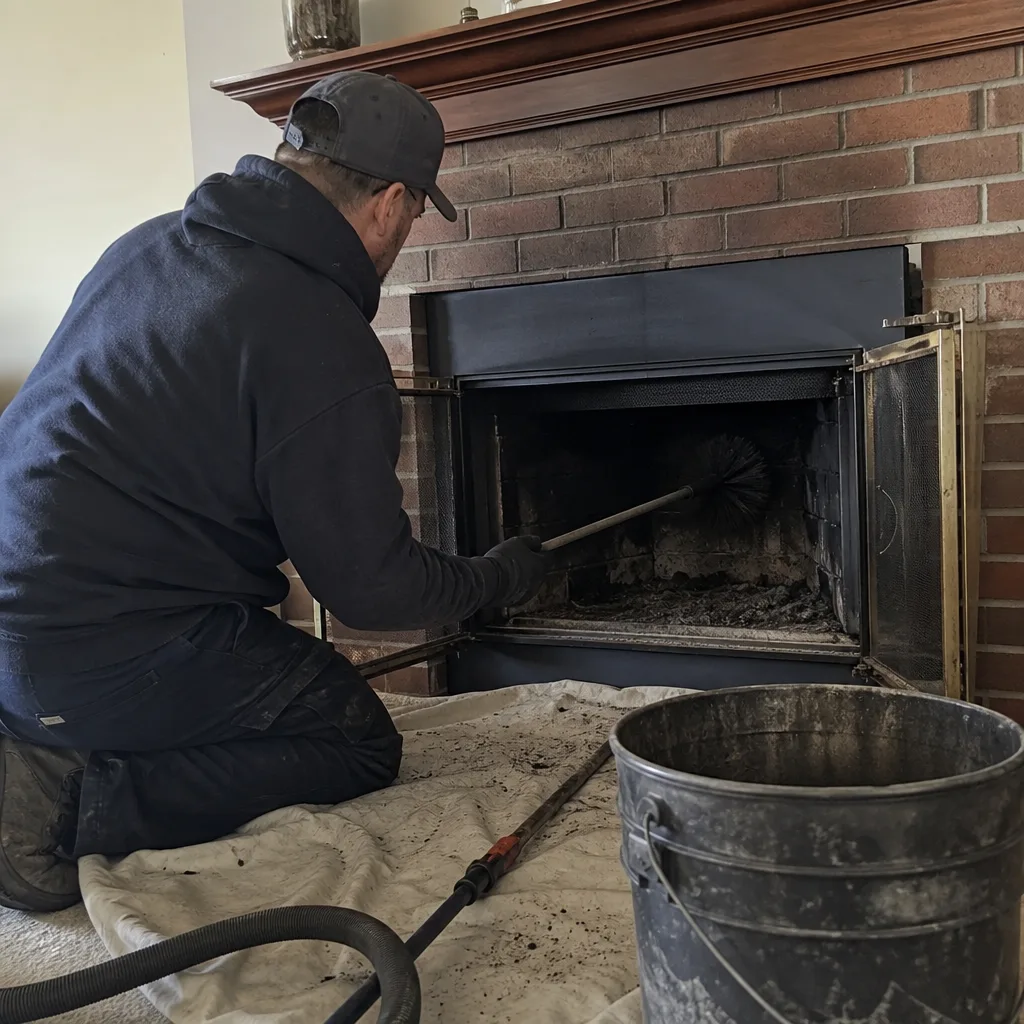
Creosote is not one substance. It forms in three distinct stages, and each requires different removal methods. A sweep company that brushes stage-two or stage-three creosote as if it were stage one is doing cosmetic work that leaves the fire hazard in place.
Stage 1: Sooty or Powdery Creosote
Stage 1 creosote is black, dusty, and brushes off easily with standard chimney brushes. It forms with proper burning practices: dry hardwood, adequate air supply, and hot fires. A Level 1 or 2 sweep with poly or wire brushes removes it completely. Most annual cleanings in Wakefield deal primarily with Stage 1 deposits.
Stage 2: Glazed or Puffy Creosote
Stage 2 creosote is shiny, hardened, and tar-like. It forms when fires burn cool or wood is unseasoned, allowing smoke to condense on flue walls before it exits. Stage 2 cannot be brushed off effectively. It requires chemical treatment with a creosote modifier (we use CSIA-approved powders or sprays) that converts the glaze into a brittle, brushable residue over 24-72 hours. The technician returns for a second visit to complete removal.
Wakefield homeowners who burn primarily overnight loads or damp down stoves for extended burns see Stage 2 regularly. We identify it during camera inspection and explain the two-visit process before any chemical is applied. The written price covers both visits.
Stage 3: Hardened, Glazed, or Corrugated Creosote
Stage 3 creosote is a thick, hardened coating that may resemble roof shingles or have a honeycombed texture. It is extremely flammable and extremely difficult to remove. Chemical treatment over multiple cycles is sometimes effective. In severe cases, flue liner replacement is the only safe option. Stage 3 creosote is a leading indicator that the appliance is being operated improperly or that the flue is oversized for the appliance, a common issue when modern inserts are vented through old masonry chimneys without proper sizing.
We’ve found Stage 3 buildup in Wakefield’s older homes where homeowners installed high-efficiency inserts into 1950s brick chimneys without resizing the flue. The insert runs cooler, the flue is too large, and creosote condenses across the entire surface. Camera inspection finds it. Written documentation proves it. Then we explain the options.
Wakefield-Specific Factors: Age, Construction, and Climate
Wakefield’s housing stock shapes its chimney problems. The town’s building boom periods, local amendments to the Massachusetts State Building Code, and coastal New England weather create conditions that don’t exist in newer or drier markets.
Colonial and Cape Stock with Unlined Masonry Flues
Wakefield’s core neighborhoods, including the area around Lake Quannapowitt and the streets north of Main Street, contain significant pre-1950 construction. Many of these homes were built with brick or tile-lined chimneys that have no stainless steel or cast-in-place liner. The original terra cotta flue tiles crack with thermal cycling. Mortar between tiles erodes. Combustible gases leak into chimney walls.
Massachusetts adopted mandatory chimney liner requirements for solid fuel appliances in phases through the 1980s and 1990s, but many Wakefield homeowners assume their chimney was “grandfathered” and needs no upgrade. Unlined masonry is not automatically legal for current use. NFPA 211 requires liners for all new installations and recommends them for existing chimneys showing deterioration. Our camera inspections in Wakefield regularly find unlined or partially lined flues that the homeowner believed were sound.
Freeze-Thaw Damage from Coastal New England Winters
Wakefield’s location in Essex County means freeze-thaw cycles begin earlier and end later than in inland Massachusetts. Water enters masonry through crown cracks, deteriorated mortar joints, or failed flashing. It freezes, expands, and spalls (flakes off) the brick surface. By spring, the chimney exterior shows damage that started inside the flue two or three winters prior.
We document this progression in our photo records. A chimney that showed minor crown cracking in 2019 may display significant spalling and interior liner damage by 2024. Annual Level 2 inspection catches the transition before water reaches the interior structure.
Local Permit and Code Considerations
Wakefield requires permits for chimney liner installation, chimney rebuilding, and structural repairs exceeding $1,000. The Wakefield Building Department inspects liner installations for compliance with the current Massachusetts State Building Code and NFPA 211. We pull permits for all qualifying work and schedule inspections as required. Our written scope of work identifies when permitting applies, and we handle the paperwork as part of the project. If you’re vetting companies, our How to Hire a Chimney Cleaning Contractor in Wakefield: A Step-by-Step Guide covers what to ask.
What a Documented Inspection Record Contains and Why Insurers Want It
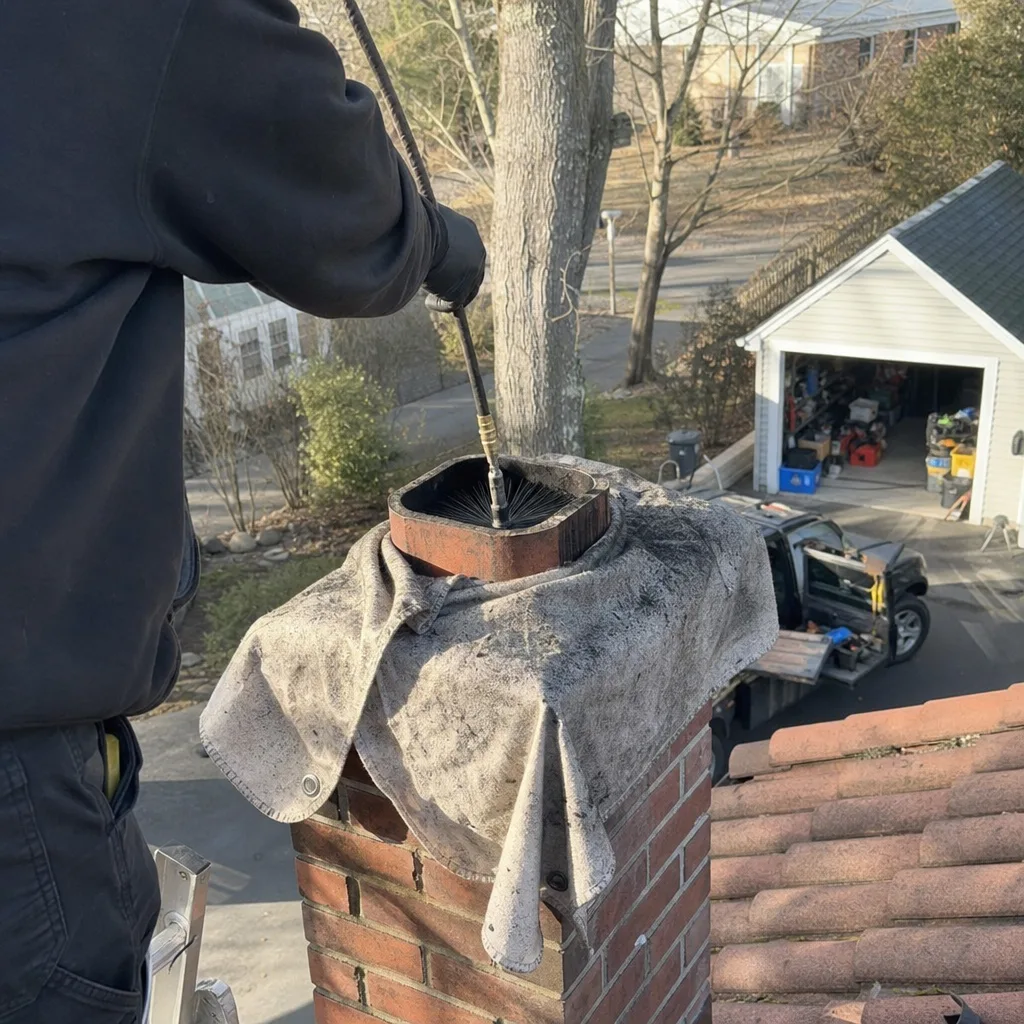
After a chimney fire or carbon monoxide incident, your homeowner’s insurance company will ask for documentation of chimney maintenance. “We had it cleaned every year” is not evidence. A dated photo record showing flue condition before the incident is evidence.
Clause 4 of the Haven Standard requires a documented photo record on every job. Here’s what Wakefield homeowners receive after a Level Two Chimney Co. inspection:
- Date-stamped wide-angle photos of the firebox, smoke chamber, damper assembly, and exterior crown
- Video or sequential still frames from the camera scan showing full flue length
- Measured creosote thickness at multiple points, noted in millimeters
- Written description of flue liner condition, including tile joint integrity, mortar loss, and any cracks or spalling
- Written scope of any recommended repairs, with line-item pricing
- Technician name and license number
- Customer signature confirming receipt
Insurers request this documentation because it establishes whether the chimney was maintained to NFPA standards before the loss. A documented record showing clean flue tiles and intact liner joints supports your claim. No documentation, or only a handwritten receipt saying “sweep $150,” creates coverage disputes.
We’ve provided inspection records to Wakefield homeowners’ insurers after neighbor-reported chimney fires, dryer vent incidents, and suspected CO leaks. In each case, the photo record either confirmed proper maintenance or identified the pre-existing defect that needed correction.
What Chimney Cleaning Does NOT Include: Spotting Upsell Gaps
“Chimney cleaning” is a specific service with defined boundaries. Companies that blur these boundaries create confusion, unexpected bills, or incomplete work. Here’s what a standard sweep does not cover, and what each additional service involves.
| Service | What It Is | Why It’s Separate |
|---|---|---|
| Chimney cap repair or replacement | The metal or masonry cover that prevents water, animals, and debris from entering the flue | Requires materials (stainless steel, copper, or masonry) and often custom fitting; not part of debris removal |
| Crown sealing or rebuilding | The concrete or mortar top that sheds water away from the flue opening | Crown work involves masonry repair or specialized sealants (we use HeatShield or CrownSeal depending on damage extent) |
| Flue liner repair or replacement | Installing a stainless steel (DuraFlex), cast-in-place, or relining system in an unlined or damaged flue | Major construction project requiring permit, inspection, and significant materials cost |
| Smoke chamber parging | Smoothing the corbeled brick area above the damper to improve draft and reduce creosote accumulation | Requires specialized refractory materials and access work |
| Damper repair or replacement | Fixing the metal plate that seals the flue when the fireplace is not in use | Mechanical component with parts cost separate from cleaning labor |
| Exterior masonry repair (tuckpointing, spalling repair) | Replacing deteriorated mortar or damaged brick on the chimney exterior | Masonry restoration requiring scaffolding in some cases |
A proper sweep company identifies these needs during inspection, explains them separately, and provides written pricing for each. We do not bundle them into a “cleaning” price and then reveal additional costs after work begins. Clause 1 of the Haven Standard, “Have it in writing,” means the written price, written scope, and written warranty are delivered before anyone starts.
Be wary of any Wakefield sweep that performs “cleaning” and then reports “while we were up there we found” problems requiring immediate additional payment. That’s not inspection; that’s sales pressure. Our camera findings are documented, dated, and reviewable. If a repair can safely wait, we say so plainly.
Chimney Cleaning Costs in Wakefield
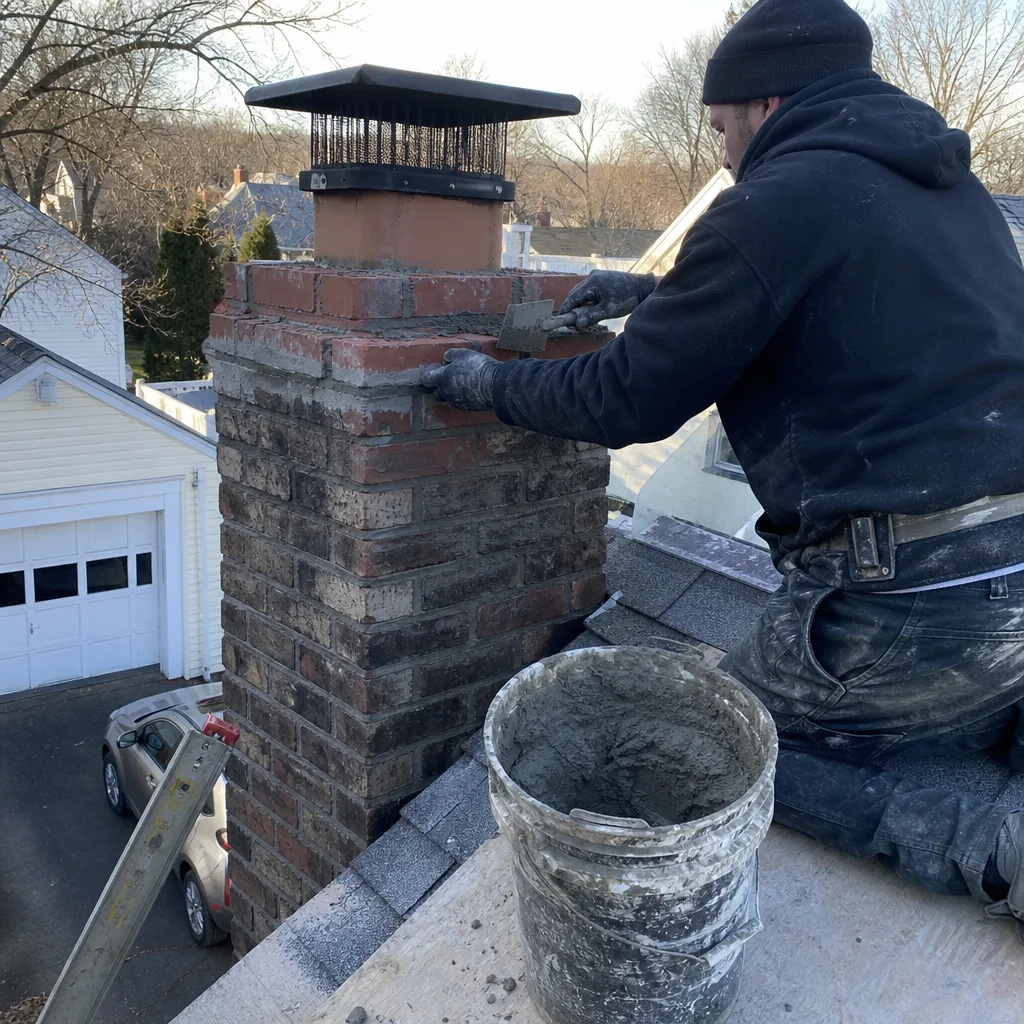
Chimney cleaning prices in Wakefield vary by service level, access difficulty, and creosote condition. The table below shows our current pricing structure. Every price is confirmed in writing before work begins.
| Service | Price Range | What’s Included |
|---|---|---|
| Level 1 Sweep and Inspection | $199-$249 | Visual inspection, brush cleaning of flue, firebox, and smoke chamber, basic debris removal |
| Level 2 Sweep and Camera Inspection | $289-$389 | Everything in Level 1 plus video scan of full flue length, attic/crawl space examination, documented photo record |
| Level 2 with Stage 2 Creosote Treatment | $389-$479 | Initial chemical application, return visit for complete removal, full Level 2 documentation |
| Level 3 Diagnostic Opening | $450-$650+ | Controlled dismantling of chimney components to access concealed damage; repair scope and pricing provided before any reconstruction |
Factors that increase cost within these ranges:
- Steep roof pitch or limited access requiring additional safety equipment
- Multiple flues (fireplace plus furnace or water heater)
- Heavy debris requiring extended cleaning time
- Obstructions such as animal nests or collapsed liner sections
We provide free second opinions on any competitor’s written estimate. Bring us their scope and pricing, and we’ll review it against what our camera inspection finds. No charge for the comparison.
How Often Should Your Chimney Be Cleaned?
NFPA 211 recommends annual inspection for all chimneys, fireplaces, and vents. Cleaning frequency depends on use and fuel type.
- Wood-burning fireplaces and stoves: Clean when creosote buildup reaches 1/8 inch (3.2 mm). For typical Wakefield use (2-3 fires weekly October through March), this usually means annual cleaning. Heavy daily use may require mid-season inspection.
- Gas fireplaces: Annual inspection of venting and burner assembly. Cleaning focuses on debris, spider webs in vent terminals, and combustion residue, not creosote.
- Oil and gas furnace flues: Annual inspection for corrosion, blockages, and liner deterioration. Sulfuric acid condensation in oil flues causes faster liner damage than many homeowners expect.
- Pellet stoves: Clean venting and combustion chamber per manufacturer schedule, typically every 1-2 tons of pellets burned.
Wakefield’s heating season runs roughly October 15 through April 15. We recommend scheduling inspection in late summer or early fall, before the first cold snap creates the annual rush. Our Seasonal Chimney Cleaning Care for Wakefield: Year-Round Homeowner’s Guide has a full maintenance calendar. Our 24/7 live answering means you can book any time, but September and October appointments fill first.
Common Mistakes to Avoid
- Hiring based on lowest price without asking the service level. A $149 “chimney sweep” in Wakefield that turns out to be a 20-minute flashlight look and brush pass leaves you without documentation and possibly without a clean flue. Ask whether the price includes camera inspection.
- Assuming a new home purchase inspection covered the chimney. General home inspectors visually examine chimneys from the ground or roof edge. They do not run cameras down flues. We’ve found significant liner damage in Wakefield homes that passed general inspection within the previous year.
- Burning unseasoned wood to save money. Wood with moisture content above 20% creates Stage 2 and 3 creosote rapidly. The “savings” on wood cost become chemical treatment costs or liner replacement costs within two seasons.
- Ignoring minor smoke spillage into the room. Smoke backing up occasionally means draft problems, partial blockage, or negative pressure issues from modern airtight construction. These conditions worsen and become dangerous. Camera inspection finds the cause.
- DIY cleaning without understanding flue liner condition. Homeowner brush kits can damage deteriorated terra cotta tiles or dislodge sections of failing liner. You won’t know the liner is damaged until the brush causes a problem or the camera reveals it.
- Waiting for visible exterior damage before calling. By the time Wakefield homeowners see spalling brick or crown deterioration from the ground, interior water damage and liner compromise have typically progressed for several years. Interior inspection catches what exterior viewing misses.
When to Call a Professional
Call a certified chimney professional when you notice any of the following: smoke entering the room during operation, visible creosote flakes in the firebox, a strong tar odor on warm days, white staining (efflorescence) on exterior brick, pieces of tile or mortar in the firebox, or it’s been more than 12 months since your last inspection. After any chimney fire, even a small one, Level 2 camera inspection is mandatory before further use.
Level Two Chimney Wakefield offers free estimates throughout Wakefield and surrounding Essex County communities. Every estimate includes a written scope and written price before any work begins. Call (978) 861-1012 to schedule, or visit our Chimney Cleaning & Sweep in Wakefield page for additional service details.
Frequently Asked Questions
A proper chimney sweep in Wakefield costs between $199 and $389 for standard residential service, depending on whether Level 1 visual inspection or Level 2 camera inspection is performed. Stage 2 creosote treatment adds $100-$150 for the required second visit. We provide written pricing before any work starts, and free second opinions on competitor estimates are always available. Call (978) 861-1012 for an exact quote - estimates are free.
You need a new flue liner if camera inspection shows cracked tiles, missing mortar joints, gaps between liner sections, or if your chimney is unlined and serves a solid-fuel appliance. Not all damage requires immediate replacement. We classify findings as “repair now,” “monitor annually,” or “upgrade recommended,” and we show you the camera footage so you can see what we see. Some conditions can be managed with HeatShield joint repair rather than full liner replacement.
Chimneys in Wakefield should be inspected annually and cleaned when creosote reaches 1/8 inch or when performance problems occur. For typical wood-burning use through a New England heating season, annual cleaning is standard. Gas and oil systems need annual inspection of venting and burner components, with cleaning focused on debris and corrosion rather than creosote. The specific schedule depends on your fuel type, burning habits, and what the camera shows.
Skipped cleaning allows creosote accumulation that restricts flue airflow, reduces heating efficiency, and creates fire risk. Stage 3 creosote ignites at approximately 451°F, a temperature reached in normal fireplace operation. A chimney fire can crack flue liners, allowing flames or combustion gases into wall cavities. Carbon monoxide, produced by incomplete combustion in a restricted flue, is odorless and potentially fatal. Annual inspection catches these conditions before they become emergencies.
A chimney sweep removes deposits and obstructions from the flue and firebox. A chimney inspection evaluates the condition of the entire system. NFPA 211 combines them into service levels: Level 1 includes basic visual inspection with cleaning; Level 2 adds camera scan and accessible area examination; Level 3 involves dismantling for hidden damage assessment. You cannot properly inspect a dirty chimney, and cleaning without inspection misses structural problems. They are sequential, not alternative, services.
Homeowners can brush accessible portions of a flue from the firebox up, but this does not constitute NFPA-compliant inspection and carries risks. You cannot see flue tile condition, liner gaps, or hidden creosote deposits without a camera. Brushing a deteriorated liner can cause tile collapse or dislodgement. For fireplace services in Wakefield that include proper documentation for insurance and resale, professional service is the practical choice. We do not recommend DIY cleaning for chimneys over 15 years old or any chimney with unknown liner condition.
The Bottom Line
Chimney cleaning in Wakefield is not a commodity service. NFPA 211 defines three levels of intervention, and buying the wrong one wastes money while leaving real hazards undetected. Wakefield’s older housing stock, coastal freeze-thaw climate, and common unlined masonry flues make Level 2 camera inspection the appropriate default for most homes. A proper service produces documented evidence of flue condition, separates cleaning from repair work with clear pricing, and gives you a written record that protects your insurance coverage and property value. Ask any sweep company you consider: what level of NFPA 211 service will you perform, will you document it with photos, and will I have the price in writing before you start? The answers separate inspection from theater. For more guides & resources on protecting your Wakefield home, visit our blog.
Written by Corrine Halstead, Owner at Level Two Chimney Wakefield, serving Wakefield since 2009.